



The global supply chain landscape stands at a critical inflection point. As we progress through 2026, businesses face unprecedented pressure to modernize antiquated logistics systems while simultaneously navigating an increasingly complex web of international trade standards. This comprehensive analysis examines the convergence of technological innovation, regulatory evolution, and geopolitical realignment reshaping how goods move across borders and through distribution networks.
The Imperative for Supply Chain Modernization
Modern supply chains bear little resemblance to their predecessors from even a decade ago. The linear, predictable pathways of the past have given way to dynamic, interconnected networks requiring real-time visibility, adaptive intelligence, and unprecedented resilience. Multiple forces are driving this transformation, creating both challenges and opportunities for organizations of all sizes.
Economic Pressures Driving Change
The economic landscape has fundamentally shifted. Rising transportation costs, volatile energy prices, and persistent inflation have compressed profit margins across industries. Companies can no longer absorb inefficiencies within their supply chain operations without serious competitive disadvantage. Organizations that maintain manual processes, fragmented data systems, or outdated inventory management approaches face mounting pressure from stakeholders demanding improved performance metrics.
Labor costs represent another significant pressure point. Warehouse workers, truck drivers, and logistics coordinators command higher wages than in previous years, particularly in developed economies experiencing tight labor markets. This reality accelerates automation adoption and forces companies to extract maximum value from human resources through better tools, training, and operational design.
Consumer expectations have evolved dramatically. The Amazon effect has conditioned buyers to expect rapid delivery, complete transparency, and seamless returns regardless of product category or price point. Meeting these expectations requires supply chain capabilities that were once considered differentiators but are now table stakes for market participation.
Technology as the Foundation of Modernization
Digital transformation within supply chains extends far beyond simple software upgrades. True modernization involves fundamental reconception of how information flows, decisions get made, and physical operations execute. Organizations are deploying integrated technology stacks that combine Internet of Things sensors, artificial intelligence algorithms, blockchain ledgers, and cloud-based platforms to create intelligent, self-optimizing networks.
Real-time visibility has emerged as perhaps the most critical capability. Companies implementing advanced tracking systems gain unprecedented insight into inventory location, condition, and movement patterns. This visibility enables proactive exception management, accurate delivery predictions, and data-driven optimization decisions that were impossible with traditional systems relying on periodic batch updates and manual status checks.
Predictive analytics powered by machine learning algorithms are revolutionizing demand forecasting, route optimization, and risk management. These systems analyze vast datasets encompassing historical patterns, external indicators, and real-time signals to generate insights that improve with each decision cycle. Organizations leveraging these capabilities reduce safety stock requirements, minimize expedited shipping costs, and better allocate capital across their networks.
Automation technologies continue advancing rapidly. Autonomous mobile robots navigate warehouse floors, collaborative robots work alongside human operators, and automated guided vehicles transport materials without direct human control. These technologies don’t simply replace labor; they enable entirely new operational models that dramatically improve throughput, accuracy, and safety while reducing facility footprint requirements.
Resilience and Risk Management Priorities
Recent global disruptions have fundamentally altered how executives think about supply chain design. The COVID-19 pandemic, Suez Canal blockage, semiconductor shortages, and geopolitical tensions demonstrated how quickly highly optimized just-in-time systems can fail when faced with unexpected shocks. Organizations are rebalancing efficiency with resilience, accepting higher carrying costs and redundancy in exchange for reduced vulnerability.
Nearshoring and reshoring initiatives reflect this shift. Companies are relocating production closer to end markets, diversifying supplier bases across multiple geographies, and establishing backup capacity in strategic locations. These decisions involve complex tradeoffs between cost efficiency and risk mitigation, requiring sophisticated modeling of various disruption scenarios and their potential business impacts.
Supply chain visibility extends beyond internal operations to encompass multi-tier supplier networks. Organizations increasingly demand transparency into their suppliers’ suppliers, recognizing that disruptions often originate several layers deep within extended networks. Technology platforms enabling this extended visibility help companies identify concentration risks, assess supplier financial health, and develop contingency plans before problems materialize.
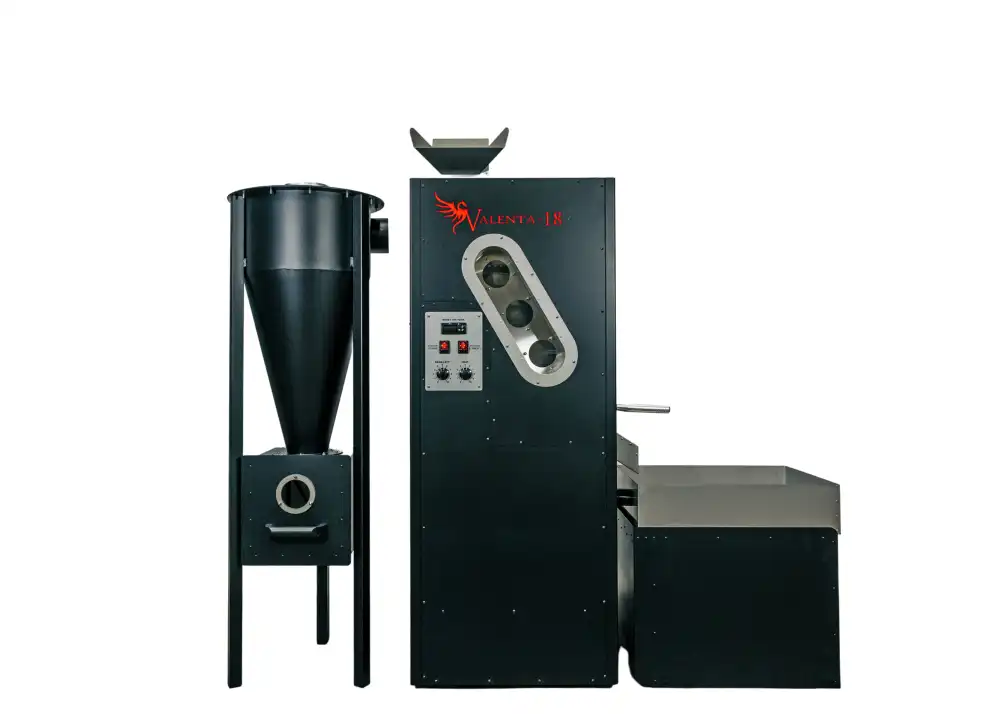
We Build The World’s Most Affordable Coffee Roasters
The Evolution of International Trade Standards
Trade standards represent the regulatory infrastructure enabling global commerce. These frameworks establish the rules governing product specifications, safety requirements, documentation procedures, and cross-border movement of goods. As supply chains modernize, trade standards are evolving to address new technologies, emerging risks, and shifting geopolitical priorities.
Harmonization Efforts and Their Limitations
International organizations have long pursued standards harmonization to reduce trade friction. The World Trade Organization, International Organization for Standardization, and various industry-specific bodies work to create common frameworks that products and processes can conform to regardless of origin or destination. These efforts yield significant benefits when successful, allowing companies to design once and sell globally without extensive modifications.
However, harmonization faces persistent challenges. National governments retain sovereignty over safety standards, labeling requirements, and certification processes, often maintaining unique requirements reflecting local priorities, consumer preferences, or domestic industry protection. Regulatory divergence appears to be increasing rather than decreasing in certain sectors, as countries assert autonomy over emerging technologies, data governance, and strategic industries.
The European Union’s regulatory approach exemplifies both harmonization success and ongoing complexity. While the single market enables frictionless movement of goods meeting EU standards, manufacturers must navigate detailed technical regulations, extensive documentation requirements, and periodic updates across numerous product categories. Brexit added another layer of complexity, creating new border checks and regulatory divergence between the UK and EU markets.
Regional trade agreements represent another harmonization avenue. Agreements like the United States-Mexico-Canada Agreement, Comprehensive and Progressive Agreement for Trans-Pacific Partnership, and Regional Comprehensive Economic Partnership establish preferential treatment and aligned standards among member countries. These agreements create trading blocs with internal harmonization while potentially increasing fragmentation between different regional systems.
Digital Trade Standards and Data Governance
The digitalization of commerce has created urgent need for new trade standards governing electronic transactions, data flows, and digital services. Traditional trade frameworks were built for physical goods crossing borders in containers and trucks, not for data flowing instantaneously across networks or digital products delivered via cloud platforms.
Data localization requirements present significant challenges for modern supply chains. Countries including China, Russia, and India have implemented regulations requiring certain data to be stored within national borders, complicating operations for companies relying on integrated global systems. These requirements force organizations to build separate data infrastructure, segment their networks, and navigate complex compliance obligations that vary by jurisdiction.
Cybersecurity standards are emerging as critical trade considerations. As supply chains become more digitized and interconnected, they become more vulnerable to cyber threats that can disrupt operations, compromise sensitive information, or enable intellectual property theft. Governments are implementing cybersecurity requirements for products, systems, and companies operating within their markets, creating new compliance obligations and potential trade barriers.
Electronic customs documentation and digital trade facilitation offer substantial efficiency gains. International initiatives promoting paperless trade, single window systems, and blockchain-based verification could dramatically reduce clearance times and administrative costs. However, implementation remains uneven globally, with significant gaps between countries with advanced digital infrastructure and those still relying primarily on paper-based processes.
Sustainability and Environmental Standards
Environmental considerations have moved from peripheral concerns to central elements of trade policy and supply chain design. Countries and trading blocs are implementing carbon border adjustments, environmental product standards, and supply chain due diligence requirements that fundamentally alter competitive dynamics and operational requirements.
The European Union’s Carbon Border Adjustment Mechanism represents a watershed development. This system imposes costs on imports from countries with less stringent climate policies, effectively creating a carbon tariff that impacts sectors including steel, cement, aluminum, fertilizers, and electricity. Companies exporting to the EU must track and report embedded emissions while potentially paying significant fees, creating strong incentives to decarbonize production processes or shift sourcing strategies.
Extended producer responsibility frameworks are expanding globally. These regulations make manufacturers responsible for products throughout their lifecycle, including post-consumer waste management. Compliance requires sophisticated reverse logistics capabilities, product design modifications to enhance recyclability, and tracking systems documenting material flows and disposition.
Deforestation-free supply chain regulations are emerging across multiple jurisdictions. Laws prohibiting the sale of products linked to deforestation compel companies to implement traceability systems extending to raw material origins, verify supplier practices through audits and satellite monitoring, and demonstrate compliance through detailed documentation. These requirements are particularly challenging for commodities like palm oil, soy, cocoa, and cattle products with complex, multi-tier supply chains.
Conflict minerals regulations and broader supply chain due diligence requirements mandate transparency regarding human rights, labor practices, and environmental impacts throughout extended supplier networks. Organizations must conduct risk assessments, implement remediation programs, and publicly report on their efforts, creating both compliance costs and reputational risks for companies unable to demonstrate responsible sourcing.
Product Safety and Quality Standards
Technical standards governing product safety, performance, and quality continue evolving to address new technologies, emerging risks, and consumer protection priorities. These standards directly impact supply chain design by determining which products can be sold in specific markets, what testing and certification processes manufacturers must complete, and how goods must be labeled and documented.
The proliferation of product-specific regulations creates significant complexity for companies operating globally. Medical devices, automotive components, electrical equipment, children’s products, cosmetics, and food items all face distinct regulatory frameworks that vary substantially across markets. Companies must maintain sophisticated compliance management systems tracking regulatory requirements, product specifications, and certification status across their portfolios and target markets.
Certification and testing requirements impose both time and cost burdens. Products must undergo evaluation by approved bodies before market entry, processes that can take months and require significant fees. For companies introducing new products or modifying existing ones, these requirements extend time-to-market and create barriers to rapid innovation cycles. The need to certify products separately for different markets multiplies these challenges.
Labeling and marking requirements represent another standards dimension affecting supply chain operations. Products must display specific information, warnings, and symbols in appropriate languages and formats for each target market. These requirements influence packaging design, inventory management approaches, and distribution strategies, as companies balance standardization benefits against market-specific compliance obligations.
We Build The World’s Most Affordable Coffee Roasters
Technology Integration Across Modernized Supply Chains
The successful integration of advanced technologies represents a defining characteristic of modernized supply chains. Organizations are moving beyond isolated point solutions toward comprehensive digital ecosystems that seamlessly connect disparate systems, stakeholders, and processes.
Internet of Things and Sensor Networks
IoT deployment has transformed supply chain visibility from a sporadic, manual process into a continuous, automated capability. Sensors embedded in products, packaging, vehicles, and facilities generate real-time data streams capturing location, temperature, humidity, shock events, and numerous other parameters critical to quality assurance and operational optimization.
Cold chain monitoring exemplifies IoT’s transformative impact. Temperature-sensitive products including pharmaceuticals, vaccines, fresh produce, and certain chemicals require strict temperature control throughout their journey from manufacturer to end user. IoT sensors continuously monitor conditions, triggering alerts when temperatures drift outside acceptable ranges and creating permanent records demonstrating compliance with handling requirements. This capability reduces spoilage, ensures product efficacy, and provides evidence for regulatory compliance and insurance claims.
Asset tracking and fleet management applications leverage IoT sensors to monitor vehicle locations, driving behaviors, fuel consumption, and maintenance needs. Transportation companies use this data to optimize routes, improve driver performance, reduce idle time, and predict equipment failures before they occur. The resulting improvements in asset utilization, fuel efficiency, and service reliability generate substantial cost savings while enhancing customer satisfaction.
Warehouse and inventory management benefits significantly from IoT integration. Smart shelves detect when products are removed or restocked, automated systems track inventory movements without manual scanning, and environmental sensors ensure optimal storage conditions. These capabilities enable real-time inventory accuracy, reduce stockouts and overstock situations, and streamline warehouse operations.
Artificial Intelligence and Machine Learning Applications
AI technologies are fundamentally changing how supply chain decisions get made. Rather than relying solely on human judgment informed by historical experience, organizations deploy algorithms that continuously learn from vast datasets, identify subtle patterns, and generate recommendations or autonomous decisions that improve operational performance.
Demand forecasting accuracy has improved dramatically through machine learning applications. Traditional statistical methods struggle with the complexity of modern demand patterns influenced by weather, social media trends, competitor actions, macroeconomic indicators, and countless other variables. Machine learning algorithms excel at identifying non-linear relationships within high-dimensional datasets, generating forecasts that better anticipate actual demand and enable more effective inventory positioning.
Dynamic pricing and revenue optimization leverage AI to maximize profitability across complex product portfolios and distribution channels. These systems analyze competitor pricing, inventory positions, demand signals, and customer behaviors to recommend prices that balance volume and margin objectives. In logistics contexts, dynamic pricing helps carriers optimize capacity utilization by adjusting rates based on lane demand, equipment availability, and service level requirements.
Predictive maintenance applications use machine learning to forecast equipment failures before they occur. By analyzing sensor data from vehicles, material handling equipment, and production machinery, these systems identify subtle anomalies indicating impending failures and recommend preventive maintenance activities. This approach reduces unexpected downtime, extends equipment lifespan, and optimizes maintenance spending by replacing reactive approaches with proactive interventions.
Computer vision technologies are automating quality inspection, inventory management, and safety monitoring processes. Cameras equipped with AI algorithms can identify product defects, read labels and serial numbers, detect damaged packaging, monitor worker safety compliance, and perform numerous other visual recognition tasks at speeds and accuracy levels exceeding human capabilities. These applications reduce labor requirements while improving consistency and creating audit trails for compliance purposes.
Blockchain and Distributed Ledger Applications
Blockchain technology offers potential solutions to persistent supply chain challenges involving trust, transparency, and transaction verification across multi-party networks. Distributed ledgers create immutable records of events, transactions, and certifications that all authorized network participants can access while maintaining appropriate confidentiality.
Product traceability represents a compelling blockchain use case. Complex supply chains involving numerous parties handling products across multiple geographies struggle to maintain accurate records of provenance, custody transfers, and handling conditions. Blockchain platforms enable each participant to record their activities on a shared ledger, creating end-to-end visibility from raw material origins through final consumer delivery. This capability addresses regulatory requirements, enables rapid recall execution, and supports sustainability and ethical sourcing claims.
Trade finance applications leverage blockchain to streamline letter of credit processes, reduce fraud risk, and accelerate payment cycles. Traditional trade finance involves extensive paperwork, manual verification, and time-consuming processes vulnerable to errors and fraud. Blockchain-based platforms digitize documents, automate verification steps, and enable near-instantaneous settlement once contractual conditions are met, reducing transaction costs and improving working capital efficiency.
Supplier certification and compliance verification benefits from blockchain’s ability to create tamper-proof records of qualifications, audit results, and regulatory approvals. Organizations can verify supplier certifications without relying solely on paper documents or third-party databases, reducing fraud risk and streamlining supplier onboarding and monitoring processes.
Smart contracts enable automated execution of contractual terms when predetermined conditions are met. In logistics contexts, payments can automatically trigger upon delivery confirmation, quality acceptance, or other specified events without manual intervention. This automation reduces administrative overhead, accelerates cash cycles, and minimizes disputes arising from manual transaction processing.
Cloud Platforms and System Integration
Cloud computing has become the foundational infrastructure enabling supply chain modernization. Cloud platforms offer scalability, accessibility, and integration capabilities that on-premise systems struggle to match, while reducing capital expenditure requirements and accelerating deployment timelines.
Supply chain visibility platforms consolidate data from diverse sources including warehouse management systems, transportation management systems, enterprise resource planning systems, and third-party logistics providers into unified dashboards providing real-time operational intelligence. These platforms break down information silos that historically fragmented supply chain visibility and decision-making.
Collaboration platforms enable seamless information sharing across extended supply chain networks. Manufacturers, suppliers, logistics providers, and customers can access shared workspaces, exchange documents, coordinate activities, and communicate through integrated channels. This connectivity reduces email overload, eliminates version control issues, and accelerates collaborative problem-solving when disruptions occur.
API-driven integration architectures allow different systems to exchange data and trigger processes automatically without custom coding for each connection. Modern supply chain technology stacks incorporate dozens of specialized applications, each excelling at particular functions. API-based integration enables these diverse applications to work together as cohesive ecosystems rather than disconnected tools requiring manual data transfers and reconciliation.
Cloud-based planning and optimization tools provide sophisticated analytical capabilities previously accessible only to large enterprises with significant IT resources. Small and medium-sized organizations can leverage advanced forecasting, network optimization, and scenario planning tools on subscription bases, leveling competitive playing fields and enabling more sophisticated decision-making regardless of organizational size.
Geopolitical Factors Reshaping Trade Standards
The international trade environment has become increasingly complex and politically charged. Geopolitical tensions, national security concerns, and domestic political pressures are driving policy changes that fundamentally alter the regulatory landscape governing cross-border commerce.
Strategic Competition and Economic Decoupling
Rising tensions between major economic powers, particularly the United States and China, are creating dual pressures toward economic decoupling in strategic sectors. Governments view supply chain dependencies as national security vulnerabilities, leading to policies encouraging domestic production, allied sourcing, and technological sovereignty.
Export controls on advanced technologies have expanded significantly. Semiconductors, artificial intelligence systems, quantum computing technologies, and biotechnology innovations face restrictions limiting their export to countries deemed potential adversaries. These controls extend beyond finished products to encompass manufacturing equipment, software tools, and technical data, fundamentally fragmenting global technology supply chains.
Investment screening mechanisms now scrutinize foreign acquisitions and investments in sectors considered strategically important. Countries including the United States, European Union members, Australia, and Japan have implemented or strengthened committees reviewing transactions for national security implications. These reviews can block deals, impose conditions limiting technology transfers, or require divestitures of sensitive operations, creating uncertainty for companies pursuing cross-border transactions.
Critical mineral and resource security concerns are reshaping sourcing strategies. Dependence on single countries for materials essential to clean energy technologies, defense systems, and advanced manufacturing has prompted initiatives to diversify supply sources, develop domestic processing capacity, and establish stockpiles of strategic materials. These efforts often involve subsidies, trade preferences, and regulatory advantages for preferred suppliers.
Trade Agreement Reconfiguration
The architecture of international trade agreements continues evolving as countries pursue new partnerships while existing arrangements face challenges or renegotiation. These shifts create both opportunities and complications for companies designing global supply chain networks.
Regional comprehensive partnerships are expanding trade integration among neighboring countries. Agreements like the African Continental Free Trade Area and Regional Comprehensive Economic Partnership create large integrated markets with reduced internal trade barriers. Companies with operations or customers within these regions gain preferential access while potentially facing higher barriers when exporting from outside.
Digital trade provisions are becoming central elements of modern trade agreements. Newer agreements address data flows, source code protection, algorithmic transparency, and digital services in ways that older agreements never contemplated. These provisions shape the regulatory environment for digital supply chain technologies and cross-border data transfers essential to modern operations.
Labor and environmental standards within trade agreements reflect growing political emphasis on ensuring trade benefits are broadly shared and don’t come at the expense of worker rights or environmental protection. Agreements increasingly include enforceable provisions requiring signatory countries to maintain specific labor protections and environmental regulations, with potential trade sanctions for violations. These requirements create compliance obligations extending throughout supply chains sourcing from participating countries.
Sanctions and Compliance Complexity
Economic sanctions represent increasingly prominent foreign policy tools, creating significant compliance challenges for companies with global operations. Sanctions regimes targeting countries, entities, individuals, and specific activities require sophisticated monitoring and control systems to ensure compliance.
Sectoral sanctions restrict transactions within specific industries or involving particular products. Russian energy exports, Venezuelan oil, Iranian petrochemicals, and numerous other sector-specific restrictions require companies to implement controls verifying the nature and origin of products and services throughout their supply chains. Violations can result in severe penalties including substantial fines, criminal prosecution, and exclusion from key markets.
Entity lists and specially designated nationals registers identify specific companies and individuals with whom transactions are prohibited or restricted. These lists change frequently, requiring continuous monitoring and screening of suppliers, customers, and other business partners against current designations. The global nature of modern supply chains means that entities appearing on these lists may be several tiers removed from direct relationships, complicating compliance efforts.
Secondary sanctions impose penalties on non-US persons engaging in specified activities with sanctioned countries or entities, extending US regulatory jurisdiction extraterritorially. These sanctions create particular complexity for companies operating across multiple jurisdictions, potentially forcing choices between compliance with US requirements and commercial opportunities in other markets.
We Build The World’s Most Affordable Coffee Roasters
Industry-Specific Modernization Trajectories
Different industries face unique supply chain challenges and modernization priorities based on product characteristics, regulatory environments, and competitive dynamics. Examining sector-specific approaches provides insight into how modernization manifests across the economic landscape.
Pharmaceutical and Healthcare Supply Chains
Pharmaceutical supply chains face perhaps the most stringent regulatory oversight of any industry, combined with products requiring precise handling conditions and extensive traceability. Modernization efforts prioritize compliance automation, cold chain integrity, and anti-counterfeiting capabilities.
Serialization and track-and-trace systems have become mandatory in major markets. Regulations including the US Drug Supply Chain Security Act and EU Falsified Medicines Directive require pharmaceutical manufacturers, wholesalers, and dispensers to serialize products at individual unit levels and maintain electronic records of custody transfers. These systems enable rapid identification and removal of counterfeit products while facilitating efficient recalls when quality issues arise.
Clinical trial supply chains present unique challenges requiring specialized capabilities. Investigational products must be manufactured, labeled, distributed, and tracked under protocols ensuring patient safety and regulatory compliance. Temperature excursions, delivery delays, or labeling errors can jeopardize patient safety and invalidate expensive clinical trials. Advanced planning systems, specialized logistics providers, and real-time monitoring technologies help manage these complex requirements.
Direct-to-patient distribution models accelerated by the COVID-19 pandemic continue expanding. Specialty pharmaceuticals, chronic disease treatments, and certain other medications are increasingly shipped directly to patients’ homes rather than through traditional pharmacy channels. These models require capabilities including controlled substance handling, patient identity verification, temperature-controlled last-mile delivery, and patient support services integrated into logistics operations.
Automotive Industry Transformation
The automotive industry is experiencing simultaneous supply chain disruptions from electrification, autonomous technologies, and manufacturing localization pressures. Traditional supply chain models optimized for internal combustion engines require fundamental reimagining for electric vehicle production.
Battery supply chains represent the critical challenge for electric vehicle scaling. Lithium-ion batteries require materials including lithium, cobalt, nickel, and graphite sourced from concentrated geographic locations with varying environmental and social governance standards. Automakers are integrating backward into battery production and raw material sourcing to secure supply, while governments provide subsidies and trade preferences for domestically produced batteries and materials.
Electronics and software content in vehicles has increased dramatically, transforming automotive companies into technology integrators managing complex supplier ecosystems. Semiconductor shortages demonstrated vulnerabilities in just-in-time models optimized for mechanical components but poorly suited for electronic components with long lead times and allocation constraints. Automakers are adjusting inventory strategies, increasing direct engagement with chip manufacturers, and redesigning vehicles to use more readily available components.
Circular economy principles are reshaping automotive supply chains as manufacturers design vehicles for easier disassembly, material recovery, and component remanufacturing. End-of-life vehicle regulations require manufacturers to achieve specific recycling targets, creating reverse logistics networks collecting used vehicles, extracting valuable materials, and ensuring environmentally sound disposal of hazardous components.
Fast-Moving Consumer Goods Agility
Consumer goods companies operate supply chains balancing efficiency with responsiveness to rapidly changing consumer preferences, seasonal demand patterns, and promotional activities. Modernization focuses on demand sensing, network flexibility, and omnichannel fulfillment capabilities.
Demand sensing technologies combine point-of-sale data, social media signals, weather forecasts, and other near-term indicators to generate more accurate short-term demand forecasts than traditional methods relying primarily on historical shipment patterns. These capabilities enable better inventory positioning, reduced stockouts of trending items, and minimized markdowns on products losing favor.
Flexible manufacturing and postponement strategies allow companies to delay final product configuration until demand patterns become clearer. Generic products are manufactured and stored in semi-finished form, with final assembly, packaging, and labeling completed close to consumption points based on actual orders. This approach reduces forecast error impact while maintaining service levels and brand variety.
Direct-to-consumer channels are expanding rapidly as brands seek closer customer relationships and higher margins. These channels require different supply chain capabilities than traditional wholesale models, including small-parcel fulfillment, customer service integration, and returns processing. Companies are building dual supply chain capabilities serving both retail partners and direct customers from common inventory pools.
Technology Hardware and Electronics
Electronics supply chains face unique challenges from rapid product obsolescence, complex global manufacturing networks, and concentrated supplier ecosystems for critical components. Modernization efforts address supply chain resilience, counterfeit prevention, and circular economy requirements.
Component shortages and allocation management have become critical capabilities as demand surges and geopolitical tensions disrupt traditional sourcing patterns. Companies implement sophisticated systems tracking supplier capacity, monitoring allocation decisions, and optimizing component assignments across product portfolios to maximize revenue and strategic objectives when supply constraints bind.
Intellectual property protection throughout manufacturing networks represents a persistent concern. Electronics products often incorporate valuable proprietary designs, firmware, and manufacturing processes that contract manufacturers could potentially replicate or leak to competitors. Companies implement physical security measures, data access controls, and supplier audits while balancing protection needs against efficiency and collaboration requirements.
E-waste and right-to-repair pressures are forcing reconsideration of product design and service models. Regulations requiring take-back programs, consumer repair access, and recycled content mandates drive changes in product architecture, supply chain structures, and business models. Companies are establishing certified repair networks, designing modular products facilitating component replacement, and creating reverse logistics capabilities collecting and processing used devices.
Sign up For Exclusive Deals
And MUST-HAVE Offers
VALID FOR NEW AND EXISTING Customers

Easy To Install
Our Coffee Roasters can be installed by anyone, with common household tools.

Easy To Use
Simply designed with new and home based coffee roasters in mind, requiring little to no roasting experience.

Easy To Maintain
Commercial quality. Quick and easy to clean and maintain.

Affordable
The absolute best value in the world for production per hour and roast results. Easy financing options available.
Implementation Strategies for Supply Chain Modernization
Successful supply chain transformation requires more than technology acquisition. Organizations must develop comprehensive strategies addressing people, processes, and technologies while managing change across complex stakeholder ecosystems.
Assessment and Prioritization Frameworks
Effective modernization begins with clear-eyed assessment of current capabilities, performance gaps, and improvement opportunities. Organizations should evaluate their supply chains across multiple dimensions including cost efficiency, service levels, resilience, sustainability, and compliance risk.
Capability maturity models provide structured frameworks for assessing current state and defining target states across various supply chain dimensions. These models typically define progression from ad hoc, manual processes through standardized, optimized, and eventually autonomous operations. Understanding current maturity levels helps organizations set realistic improvement timelines and identify prerequisite capabilities required before advanced technologies can deliver value.
Value-at-stake analysis quantifies potential benefits from different improvement initiatives, enabling data-driven prioritization of limited resources. This analysis estimates financial impacts from initiatives addressing specific pain points including expedited freight costs, inventory carrying costs, stockout impacts, manual labor requirements, and compliance risks. Projects with highest value potential and reasonable implementation risks typically receive priority.
Quick win identification helps build momentum and credibility for longer-term transformation efforts. Organizations should identify improvement opportunities delivering meaningful results within months rather than years, using these successes to demonstrate value, build organizational support, and fund subsequent phases. Quick wins might include automating manual reporting processes, implementing basic tracking for critical shipments, or consolidating supplier relationships to improve negotiating leverage.
Organizational Change Management
Technology implementations fail far more often from organizational resistance than technical limitations. Successful transformations require dedicated focus on change management, stakeholder engagement, and capability building.
Executive sponsorship and governance structures provide necessary authority, resources, and strategic direction for transformation initiatives. Senior leaders must visibly support changes, make difficult prioritization decisions, and hold organizations accountable for adoption and results. Cross-functional governance committees including representatives from supply chain, IT, finance, and business units help align improvement efforts with enterprise priorities while building broad organizational buy-in.
Skills development and workforce transformation enable organizations to leverage new technologies effectively. Automation and AI don’t simply replace human workers; they change the skills required and the nature of work. Organizations must invest in training programs building analytical capabilities, system proficiency, and problem-solving skills while redeploying displaced workers into higher-value roles. Partnering with educational institutions and technology vendors can accelerate capability development.
Incentive alignment ensures that performance metrics and compensation structures reward behaviors supporting transformation objectives. Traditional metrics emphasizing departmental efficiency can inadvertently discourage cross-functional collaboration and system-level optimization. Organizations should evolve metrics toward outcome-based measures including total supply chain costs, perfect order achievement, cash-to-cash cycle times, and customer satisfaction scores that create shared accountability for end-to-end performance.
Communication strategies keep stakeholders informed about transformation rationale, progress, and expected changes affecting their roles. Uncertainty breeds resistance, while transparency builds trust and engagement. Regular communications should celebrate successes, acknowledge challenges honestly, and provide forums for feedback and questions.
Technology Selection and Implementation
The supply chain technology landscape includes thousands of vendors offering overlapping and complementary solutions. Selecting appropriate technologies and implementing them effectively requires disciplined processes and realistic expectations.
Build versus buy decisions require careful analysis of specific needs, available solutions, implementation timelines, and long-term ownership costs. Standard commercial solutions typically offer faster deployment, vendor support, and continuous updates, while custom development provides tailored functionality for unique requirements. Many organizations adopt hybrid approaches, implementing commercial platforms for core capabilities while developing custom extensions for differentiating features.
Vendor evaluation should extend beyond feature comparisons to assess vendor financial stability, implementation methodologies, customer support quality, and product roadmaps. Reference checks with existing customers in similar industries and company sizes provide valuable insights into actual implementation experiences and long-term satisfaction. Vendor partnerships often span years or decades, making selection a strategic decision warranting thorough diligence.
Phased rollout approaches reduce risk by proving capabilities in controlled environments before enterprise-wide deployment. Pilot implementations in specific facilities, product lines, or geographies allow organizations to validate functionality, identify issues, and refine processes before full-scale rollout. This approach extends implementation timelines but significantly reduces the risk of enterprise-wide disruptions from flawed solutions or inadequate preparation.
Integration architecture deserves particular attention given the need to connect new technologies with existing systems, trading partner platforms, and data sources. Organizations should establish clear integration standards, API governance processes, and master data management practices preventing the creation of new silos even as they modernize individual capabilities.
Continuous Improvement and Innovation
Supply chain modernization is not a one-time project but an ongoing journey of refinement and adaptation. Organizations must establish mechanisms for continuous learning, experimentation, and evolution.
Performance monitoring systems provide visibility into key metrics, identify emerging issues, and measure improvement initiative impacts. Dashboards consolidating data from multiple systems enable rapid identification of anomalies requiring attention while tracking longer-term trends informing strategic decisions. Exception-based alerting ensures that problems surface quickly rather than remaining hidden until they create customer impacts.
Root cause analysis disciplines ensure that recurring problems get addressed at their sources rather than through repeated firefighting. When stockouts occur, delivery promises are missed, or quality issues arise, structured problem-solving methodologies help identify underlying causes which might include forecast inaccuracies, insufficient safety stock policies, supplier capability limitations, or inadequate communication processes. Addressing root causes delivers sustainable improvements rather than temporary fixes.
Innovation programs encourage experimentation with emerging technologies and novel approaches. Organizations might establish innovation labs testing concepts in controlled environments, pilot programs with technology startups offering cutting-edge capabilities, or partnership initiatives with academic institutions researching next-generation solutions. Not all experiments succeed, but systematic innovation processes increase the odds of identifying breakthrough capabilities before competitors.
We Build The World’s Most Affordable Coffee Roasters
Future Outlook: Emerging Trends Shaping Tomorrow’s Supply Chains
Supply chain evolution continues accelerating as new technologies mature, regulatory frameworks develop, and competitive pressures intensify. Several emerging trends warrant attention from organizations planning their modernization roadmaps.
Autonomous Systems and Robotics Evolution
Automation technologies are progressing from performing simple, repetitive tasks to handling increasingly complex activities requiring perception, decision-making, and adaptation. This evolution promises to fundamentally reshape logistics operations over the coming decade.
Autonomous vehicles are advancing toward commercial deployment in controlled environments before expanding to broader applications. Autonomous trucks are already hauling freight on specific highway routes, while autonomous yard tractors move trailers within distribution centers and ports. Technology improvements, regulatory approval, and infrastructure development will determine deployment timelines, but significant autonomous freight movement appears likely within the next five to ten years.
Humanoid robots and advanced manipulation capabilities are emerging from research labs into practical applications. Robots that can handle diverse products, work in spaces designed for humans, and perform complex assembly or packing tasks could transform warehouse operations and last-mile delivery. While widespread deployment remains years away, pilot programs are demonstrating viability for specific applications.
Drone delivery systems continue developing despite regulatory and technical challenges. Last-mile delivery drones could reduce costs and delivery times for small packages in suitable environments, though urban air mobility regulations, weather limitations, and public acceptance remain significant hurdles. More immediate applications include inventory scanning in large warehouses and deliveries to remote locations lacking convenient road access.
Sustainable and Circular Supply Chain Models
Environmental pressures will intensify, driving continued evolution toward sustainable supply chain practices. Regulatory requirements, investor expectations, and consumer preferences increasingly favor companies demonstrating environmental leadership.
Carbon accounting and reporting will become standard requirements rather than voluntary initiatives. Scope 3 emissions encompassing supply chain activities represent the largest carbon footprints for most companies, requiring comprehensive measurement systems tracking emissions throughout extended supplier networks. Organizations will need sophisticated data collection capabilities, supplier engagement programs, and reduction strategies to meet emerging disclosure requirements and achieve science-based targets.
Circular economy implementation will accelerate beyond niche applications to mainstream supply chain practices. Products will be increasingly designed for durability, repair, remanufacturing, and recycling, with business models shifting from pure ownership toward usage-based approaches. Supply chains will develop sophisticated reverse flows collecting used products and materials, advanced sorting and processing capabilities, and quality assurance systems ensuring recovered materials meet specifications.
Alternative fuel and propulsion systems will reshape transportation networks. Electric trucks, hydrogen fuel cell vehicles, and sustainable aviation fuels will gradually replace conventional diesel and jet fuel in freight transportation. This transition requires new infrastructure including charging networks and hydrogen production facilities, while creating opportunities for early adopters and challenges for organizations slow to adapt.
Advanced Analytics and Autonomous Decision-Making
Artificial intelligence capabilities will continue advancing, enabling supply chain systems that require minimal human intervention for routine operations while freeing people to focus on exception handling, strategic planning, and relationship management.
Prescriptive analytics will evolve beyond predicting what will happen to recommending specific actions and ultimately executing decisions autonomously within defined parameters. Supply chain systems will automatically adjust production schedules in response to demand changes, reroute shipments around disruptions, and reallocate inventory across the network to optimize service levels and costs. Human oversight will focus on validating decision rules, handling edge cases, and refining algorithms based on results.
Digital twin technologies will create virtual replicas of physical supply chain networks enabling sophisticated scenario testing and optimization. Organizations will experiment with network design alternatives, test responses to disruption scenarios, and evaluate process changes within digital environments before implementing them physically. These capabilities will dramatically reduce the risk of network redesigns and accelerate continuous improvement.
Generative AI applications in supply chain planning and operations are beginning to emerge. These technologies might generate optimized network designs from high-level requirements, create detailed implementation plans for specific initiatives, or produce supplier communications tailored to specific relationships and situations. While human judgment remains essential for strategic decisions and relationship management, generative AI could dramatically improve analytical productivity and decision quality.
Resilient and Adaptive Network Design
Supply chain design philosophy will continue shifting from pure optimization toward resilience and adaptability. Organizations are learning that supply chains must flex and adapt to persistent uncertainty rather than operating along predetermined paths.
Multi-sourcing and supply chain diversity will become standard practices across more product categories. Single-source supplier relationships, while offering procurement leverage and inventory efficiency, create vulnerability to disruptions. Companies are deliberately maintaining multiple qualified suppliers for critical inputs even at somewhat higher costs, viewing supplier diversity as insurance against disruption.
Regional manufacturing and distributed production networks will expand as companies balance global efficiency with local responsiveness and reduced vulnerability to international disruptions. Manufacturing operations will locate closer to major demand centers, potentially sacrificing some economies of scale for reduced transportation costs, lower inventory requirements, and improved ability to customize products for local preferences.
Scenario planning and war gaming will become systematic disciplines rather than occasional exercises. Organizations will regularly test their supply chain strategies against various disruption scenarios including natural disasters, geopolitical conflicts, pandemic recurrence, cyber attacks, and supplier failures. These exercises identify vulnerabilities requiring mitigation and build organizational muscle memory for effective crisis response.
Conclusion
Supply chain modernization and evolving trade standards represent interconnected forces reshaping global commerce. Organizations face imperative pressure to transform legacy systems and processes while navigating increasingly complex regulatory environments that vary across jurisdictions and evolve rapidly in response to technological, environmental, and geopolitical developments.
Success requires comprehensive strategies addressing technology implementation, organizational capability building, and external partnership development. Companies cannot simply purchase their way to modernized supply chains through technology investments; they must fundamentally reimagine operations, develop new competencies, and build collaborative relationships across extended networks.
The regulatory landscape will continue evolving, creating both challenges and opportunities. Organizations that proactively monitor regulatory developments, engage in policy discussions, and build flexible compliance capabilities will navigate this environment more successfully than those taking purely reactive approaches.
Competitive advantage increasingly flows from supply chain excellence as products commoditize and digital channels democratize market access. Organizations with superior visibility, faster adaptation, lower costs, and better sustainability performance will capture market share while protecting margins. These capabilities emerge from sustained commitment to modernization initiatives, continuous improvement disciplines, and strategic investments in people, processes, and technologies.
The journey toward fully modernized, standards-compliant supply chains extends over years and never truly completes as new technologies emerge, regulations evolve, and competitive dynamics shift. Organizations should view modernization as an ongoing commitment rather than a discrete project, building internal capabilities for continuous learning, adaptation, and evolution that will serve them regardless of how future uncertainties resolve.
Cover pressing issues in the specialty coffee import-export process—fragmented standards, legacy systems, and trade inefficiencies—and offer insights into modernizing supply chains.