


Introduction
Global coffee agriculture is entering a period of increasing biological uncertainty as climate change, environmental degradation, and international supply chain instability continue to reshape farming conditions across major producing regions. In 2026, coffee producers face growing threats from fungal diseases, pest expansion, soil degradation, and unpredictable weather cycles that are disrupting both crop yields and long-term agricultural planning. Outbreaks that were once localized or seasonal are becoming more widespread and difficult to control as warming temperatures and shifting rainfall patterns create favorable conditions for pathogens to spread into previously stable growing areas.
Coffee leaf rust remains one of the industry’s most damaging diseases, but it is no longer the only major concern. Coffee berry disease, root pathogens, nematode infestations, and insect pressures such as the coffee berry borer are intensifying across multiple continents. At the same time, global agricultural systems are operating under increased economic strain due to rising fertilizer costs, labor shortages, fuel price volatility, and geopolitical conflicts affecting transportation and trade logistics. These overlapping pressures are narrowing operational margins for coffee producers and increasing the need for more efficient, preventative agricultural strategies.
Traditional disease management approaches have largely depended on reactive intervention methods such as fungicide applications, pesticide treatments, and manual field inspections. While these methods can reduce damage in the short term, they are becoming increasingly expensive, environmentally intensive, and less effective under rapidly changing climate conditions. Modern agriculture is therefore shifting toward predictive systems capable of identifying disease risks before outbreaks become economically devastating.
Predictive disease modeling combines epidemiology, environmental science, artificial intelligence, remote sensing, and agricultural analytics to forecast how diseases may emerge and spread across farming regions. These systems analyze massive quantities of environmental and biological data, including temperature patterns, humidity levels, rainfall cycles, soil conditions, satellite imagery, historical outbreak records, and farm-level observations. Machine learning algorithms can then identify patterns associated with elevated disease risk and generate forecasts that help producers make more informed management decisions.
The importance of predictive agriculture has increased substantially in 2025 and 2026 as global coffee markets experience continued volatility tied to climate disruptions and unstable supply chains. Delays in shipping routes, increased transportation costs linked to conflicts affecting major trade corridors, and rising agricultural input expenses have amplified the economic consequences of crop loss and production instability. Disease forecasting is therefore evolving into a strategic necessity not only for protecting farms, but also for stabilizing regional economies and maintaining long-term supply chain reliability.
Predictive disease models represent a major transition in how coffee agriculture approaches sustainability and risk management. Rather than reacting to outbreaks after they occur, the future of coffee farming increasingly depends on forecasting, prevention, and adaptive agricultural systems capable of responding to environmental threats before they escalate into widespread production crises.
The Threat of Coffee Plant Diseases
Coffee plant diseases have become one of the most significant threats to global agricultural stability as climate change and environmental disruption continue altering farming ecosystems worldwide. In 2026, coffee producers are facing increasingly aggressive outbreaks of fungal infections, bacterial pathogens, insect infestations, and soil-borne diseases that are reducing yields, destabilizing supply chains, and increasing production costs across major growing regions. Many of these biological threats are expanding into areas that historically experienced lower disease pressure due to rising temperatures, changing humidity patterns, and shifting rainfall cycles associated with global climate instability.
Coffee leaf rust remains the most economically destructive disease affecting the coffee industry. The fungal pathogen attacks coffee leaves and severely reduces the plant’s ability to perform photosynthesis, leading to weakened trees, reduced cherry production, and in severe cases, large-scale crop failure. Major outbreaks over the last decade caused billions of dollars in economic losses throughout Latin America and contributed to labor displacement, migration pressures, and long-term financial instability within farming communities.
Additional threats continue emerging across global coffee regions. Coffee berry disease damages developing cherries and directly impacts bean quality and yield. The coffee berry borer, a highly destructive insect pest, is expanding into higher elevations as temperatures rise, increasing infestation pressure in regions that once benefited from cooler natural protection. Soil pathogens, nematodes, and root diseases are also becoming more difficult to manage as environmental stress weakens plant immunity and alters ecosystem balance.
The growing intensity of these threats reflects a broader agricultural shift occurring worldwide. Climate change is not simply increasing temperatures; it is reshaping the biological relationships between crops, pathogens, insects, soil systems, and surrounding ecosystems. Warmer winters allow pests to survive longer seasonal cycles, irregular rainfall creates ideal fungal growth conditions, and drought stress weakens plant resistance to infection. Together, these environmental disruptions are increasing both the frequency and severity of agricultural disease outbreaks.
Economic and Ecological Consequences
The consequences of coffee plant diseases extend far beyond isolated farm losses. Coffee production supports millions of livelihoods worldwide, and widespread disease outbreaks can destabilize regional economies that depend heavily on agricultural exports. In 2025 and 2026, the financial strain associated with disease management has intensified due to rising fertilizer prices, elevated transportation costs, labor shortages, and supply chain instability linked to ongoing geopolitical conflicts and international shipping disruptions.
For farmers, disease outbreaks often trigger cascading financial problems. Reduced yields lower income while simultaneously increasing operational expenses through fungicide treatments, pest management programs, irrigation requirements, and labor-intensive monitoring systems. Smallholder farmers are particularly vulnerable because they often lack access to advanced agricultural technologies, financing, crop insurance, or reserve capital needed to survive prolonged production losses.
The specialty coffee sector is also highly sensitive to disease-related instability because infections frequently affect bean quality in addition to crop volume. Even moderate disease pressure can alter cherry development, bean density, sugar accumulation, and overall cup quality, reducing the commercial value of harvests and creating supply inconsistency for specialty buyers and roasters.
Ecologically, disease management can place additional stress on already fragile farming systems. Increased fungicide and pesticide usage may contribute to soil degradation, water contamination, biodiversity loss, and long-term ecosystem imbalance. Intensive chemical dependency can also accelerate pathogen resistance over time, forcing producers to use increasingly aggressive or expensive treatment strategies.
Deforestation pressures may also increase when farmers abandon diseased farms and attempt to expand cultivation into new regions or higher elevations. As climate change reduces suitable growing land, the interaction between agricultural disease and environmental degradation creates a compounding sustainability challenge for the global coffee industry.
Why Predictive Modeling Is Becoming Essential
The scale and complexity of modern agricultural threats are making predictive disease modeling increasingly essential for the future of sustainable coffee farming. Traditional disease management systems have largely depended on reactive intervention — responding to outbreaks after visible symptoms appear in the field. Under increasingly unstable climate conditions, this approach is becoming less effective because pathogens often spread rapidly before treatment measures can be implemented.
Predictive modeling shifts disease management toward prevention and early detection. By analyzing environmental conditions, historical outbreak patterns, satellite imagery, soil data, humidity levels, temperature fluctuations, and farm-level observations, predictive systems can identify elevated risk conditions before major outbreaks occur. This allows farmers to deploy targeted interventions earlier while reducing unnecessary chemical use and lowering operational costs.
Artificial intelligence and machine learning are significantly improving the accuracy and scalability of these systems in 2026. Advanced algorithms can process enormous datasets and identify subtle relationships between environmental variables and disease development that would be difficult for human analysts to detect manually. AI-driven systems are increasingly capable of generating localized risk forecasts for specific farms or growing regions, helping producers make more precise agricultural decisions.
Predictive agriculture is also becoming economically critical because global coffee supply chains remain highly vulnerable to disruption. Transportation delays, rising commodity prices, insurance volatility, and geopolitical instability have increased the financial impact of crop losses throughout the industry. Disease forecasting therefore serves not only as a farming tool but also as a mechanism for stabilizing production planning, export logistics, inventory management, and long-term supply contracts.
As climate instability continues accelerating, predictive modeling is likely to become a foundational component of modern coffee agriculture. Future sustainability may depend less on reacting to environmental crises and more on building intelligent agricultural systems capable of forecasting, adapting to, and mitigating biological threats before they destabilize production entirely.
Understanding Coffee Plant Diseases

Understanding coffee plant diseases has become increasingly important as global agricultural systems face mounting environmental stress, rising temperatures, and expanding pathogen activity across major producing regions. In 2026, coffee diseases are no longer viewed as isolated farming problems affecting only specific countries or climates. They are now recognized as interconnected global threats capable of destabilizing agricultural economies, disrupting international supply chains, and reducing long-term coffee availability worldwide.
Coffee plants exist within highly sensitive biological ecosystems where environmental conditions strongly influence disease development and transmission. Temperature, humidity, rainfall patterns, soil quality, and plant stress levels all affect how pathogens spread and how vulnerable crops become to infection. Climate instability is amplifying many of these factors simultaneously, creating conditions where diseases can emerge more aggressively and spread into regions that previously experienced lower infection pressure.
Many coffee diseases are caused by fungi, bacteria, insects, or parasitic organisms that directly damage plant tissues, weaken immune defenses, and interfere with cherry development. Some pathogens attack leaves and reduce photosynthesis, while others damage roots, stems, or coffee cherries themselves. Even moderate infections can significantly reduce yield quality and productivity, while severe outbreaks may destroy entire harvests or permanently weaken coffee farms for multiple growing seasons.
The global expansion of coffee agriculture and international trade has also increased biological exposure risks. Plant material, agricultural equipment, and changing environmental conditions can contribute to the movement of pests and pathogens across borders more rapidly than in previous decades. Combined with climate change, this has accelerated the need for advanced monitoring systems, predictive disease modeling, and resilient agricultural practices.
Modern agricultural science increasingly treats coffee disease management as a systems-level challenge rather than a simple treatment problem. Researchers now study how pathogens interact with environmental conditions, soil ecosystems, microbial diversity, and plant genetics simultaneously. This broader scientific approach reflects growing recognition that sustainable disease management depends on understanding entire agricultural ecosystems rather than isolated outbreaks alone.
Coffee Leaf Rust
Coffee leaf rust remains the most economically devastating disease affecting global coffee production. Caused by the fungal pathogen Hemileia vastatrix, the disease attacks coffee leaves by producing orange-colored spores that spread rapidly under warm and humid conditions. Infected leaves lose their ability to efficiently perform photosynthesis, weakening the plant and dramatically reducing cherry production.
Large-scale leaf rust outbreaks have caused severe economic disruption throughout Latin America, Africa, and parts of Asia over the last decade. Climate change has intensified these outbreaks by creating environmental conditions that favor fungal growth and transmission. Rising nighttime temperatures and increased humidity allow the pathogen to survive and spread more efficiently across higher elevations where cooler climates once provided partial protection.
Leaf rust management remains extremely expensive for many producers. Fungicide applications, labor-intensive monitoring programs, and replanting efforts significantly increase operational costs, especially for smallholder farmers operating with limited financial resources. Researchers are therefore prioritizing resistant coffee varieties and predictive disease forecasting systems as more sustainable long-term solutions.
Coffee Berry Disease
Coffee berry disease primarily attacks developing coffee cherries and can severely reduce both crop yields and bean quality. The fungal infection causes cherries to darken, decay, and prematurely drop from the plant before proper maturation occurs. In severe outbreaks, large portions of a harvest may become commercially unusable.
The disease has historically been concentrated in parts of Africa, but changing environmental conditions continue raising concerns about broader geographic spread. Higher humidity levels and irregular rainfall patterns associated with climate instability may increase future outbreak risk in additional producing regions.
Coffee berry disease creates particularly serious challenges for specialty coffee markets because it directly affects bean development and flavor consistency. Even partial crop damage can reduce cup quality, bean density, and export value. As global coffee prices remain volatile throughout 2025 and 2026 due to supply chain disruptions and transportation instability, quality-related losses have become even more financially significant for producers and exporters.
Root and Soil-Based Pathogens
Root diseases and soil-borne pathogens are becoming increasingly important within coffee agriculture as environmental stress weakens plant health and degrades soil ecosystems. These pathogens often attack root systems directly, reducing nutrient absorption, weakening plant stability, and increasing vulnerability to drought and environmental stress.
Nematodes represent one of the most damaging soil-related threats in many coffee-growing regions. These microscopic parasitic organisms attack root tissues and impair the plant’s ability to absorb water and nutrients efficiently. Infested plants often experience reduced growth, lower yields, and increased susceptibility to secondary infections.
Soil degradation caused by deforestation, intensive farming, erosion, and excessive chemical use can further worsen root disease vulnerability. In 2026, many agricultural researchers are increasingly emphasizing regenerative farming systems, biodiversity restoration, and microbiome management as part of broader disease prevention strategies.
Healthy soil ecosystems are now viewed as essential components of long-term agricultural resilience because microbial diversity can help suppress harmful pathogens naturally while improving overall plant health.
Pest and Fungal Interactions
Modern coffee disease research increasingly recognizes that pests, fungi, environmental stress, and plant health are deeply interconnected rather than isolated problems. Insect infestations often weaken coffee plants and create entry points for fungal infections, while environmental stress caused by drought or heat reduces the plant’s natural immune defenses.
The coffee berry borer represents one of the clearest examples of this interaction. As warming temperatures allow the insect to expand into higher elevations, infestation rates increase in areas where coffee plants may already be weakened by climate stress. Damaged cherries become more vulnerable to secondary fungal infections and quality degradation, compounding overall crop loss.
Climate instability further intensifies these interactions by disrupting natural ecosystem balance. Changes in rainfall patterns, prolonged drought, and temperature fluctuations affect insect reproduction cycles, fungal growth rates, and microbial competition within farming environments. The result is a more complex and unpredictable disease landscape that traditional agricultural management systems increasingly struggle to control.
Artificial intelligence and predictive analytics are becoming essential tools for understanding these interconnected biological systems. Researchers now use machine learning models to analyze how environmental conditions, pest populations, fungal outbreaks, and agricultural practices interact over time. These systems may eventually allow producers to anticipate complex disease dynamics before large-scale outbreaks emerge.
As global environmental conditions continue shifting in 2026, understanding coffee plant diseases requires increasingly sophisticated scientific approaches capable of integrating climate science, ecology, microbiology, plant genetics, and agricultural data into unified predictive systems.
Let Coffee Crafters Help You Become A Coffee Roaster

Foundations of Predictive Disease Modeling

Predictive disease modeling has become one of the most important technological developments in modern agriculture as climate instability and biological threats increasingly disrupt global food production systems. In coffee farming, predictive modeling aims to forecast when, where, and under what environmental conditions diseases are most likely to emerge and spread. Rather than relying solely on reactive treatment after infections become visible, predictive systems attempt to identify elevated risk conditions early enough for preventative action to reduce economic damage and environmental impact.
The growing importance of predictive disease modeling reflects the changing nature of agricultural risk in 2026. Coffee producers are operating under increasingly unstable environmental conditions where rising temperatures, irregular rainfall, prolonged droughts, and shifting humidity patterns create favorable environments for pathogens and pests. Simultaneously, economic pressures tied to global shipping disruptions, fuel volatility, labor shortages, and rising agricultural input costs are narrowing operational margins for farms worldwide. Under these conditions, even moderate disease outbreaks can create significant financial consequences across the coffee supply chain.
Modern predictive systems combine multiple scientific disciplines, including epidemiology, climatology, plant pathology, artificial intelligence, geospatial analysis, and agricultural engineering. These systems process large volumes of environmental and biological data to identify relationships between climate conditions and disease development. Machine learning algorithms can then generate forecasts and risk assessments that help producers allocate resources more efficiently and intervene before outbreaks escalate.
The transition toward predictive agriculture represents a broader shift occurring across global farming systems. Traditional agricultural management often relied heavily on historical seasonal patterns and direct field observation. In contrast, modern predictive systems increasingly operate through continuous environmental monitoring, automated sensor networks, satellite imaging, and AI-driven analytics capable of detecting subtle patterns beyond human observation alone.
Epidemiological Modeling Basics
Epidemiological modeling forms the scientific foundation of predictive disease forecasting by studying how diseases emerge, spread, and interact within biological populations over time. Originally developed for human and animal disease analysis, epidemiological principles are now widely applied within agriculture to model how plant pathogens move across farming systems and environmental conditions.
In coffee agriculture, epidemiological models examine variables such as infection rates, environmental conditions, pathogen life cycles, host vulnerability, and transmission patterns. Researchers analyze how temperature, humidity, rainfall, wind patterns, soil moisture, and crop density influence disease spread within coffee farms and across larger geographic regions.
Most agricultural disease models attempt to identify the environmental thresholds where pathogens become most active. For example, certain fungal diseases spread more aggressively under specific combinations of humidity and temperature. By identifying these thresholds, predictive systems can estimate periods of elevated outbreak risk before symptoms become widespread in the field.
Modern epidemiological models increasingly incorporate probabilistic forecasting rather than attempting to generate absolute predictions. This allows agricultural systems to estimate relative outbreak risk levels under changing environmental conditions, helping farmers prioritize monitoring and preventative action more effectively.
Environmental Variables in Disease Spread
Environmental conditions are among the strongest drivers of disease behavior within coffee agriculture. Temperature, humidity, rainfall patterns, wind circulation, soil conditions, and sunlight exposure all influence how pathogens survive, reproduce, and spread through farming ecosystems.
Climate change is intensifying the importance of environmental analysis because traditional seasonal patterns are becoming less reliable across many producing regions. In 2025 and 2026, several major coffee-growing areas experienced irregular rainfall cycles, prolonged drought periods, sudden flooding events, and warmer nighttime temperatures that disrupted both crop development and disease dynamics.
Fungal diseases such as coffee leaf rust thrive in warm, humid environments where spores can survive and spread efficiently. Extended moisture on leaf surfaces after rainfall or heavy humidity often accelerates infection rates. Similarly, drought stress weakens coffee plants and reduces natural immune responses, making crops more vulnerable to pests and secondary infections.
Predictive models increasingly integrate environmental monitoring systems such as weather stations, soil sensors, satellite imagery, and drone-based agricultural mapping. These technologies allow researchers and producers to track disease-favorable conditions continuously across large farming regions with much greater precision than traditional field inspection methods alone.
Statistical Versus AI-Based Models
Early agricultural disease forecasting systems primarily relied on statistical models built around historical correlations between environmental conditions and outbreak occurrence. These models remain valuable because they are often easier to interpret and validate scientifically. However, statistical systems may struggle when environmental conditions change rapidly or when large numbers of interacting variables create highly complex disease dynamics.
Artificial intelligence and machine learning systems are increasingly being adopted because they can process massive datasets and identify nonlinear relationships that conventional statistical methods may overlook. AI-based models can integrate climate data, soil conditions, satellite imagery, genomic information, farm management practices, and historical outbreak records simultaneously to generate more adaptive forecasting systems.
Machine learning algorithms continuously improve as additional data becomes available, allowing models to adapt over time as environmental conditions evolve. This adaptability is especially important as climate change alters historical disease behavior patterns and reduces the reliability of older agricultural assumptions.
However, AI systems also introduce challenges. Many machine learning models operate as highly complex “black boxes” where the reasoning behind predictions may be difficult to interpret directly. Agricultural researchers therefore continue balancing advanced AI techniques with more transparent scientific modeling approaches to ensure reliability and trust within farming communities.
Historical Outbreak Data Analysis
Historical outbreak analysis remains one of the most important components of predictive disease modeling because past disease behavior often reveals critical environmental and biological patterns. Researchers use decades of agricultural records to identify how diseases responded to previous climate conditions, seasonal shifts, and farming practices.
Coffee leaf rust outbreaks, for example, have provided valuable datasets for studying how temperature increases, humidity fluctuations, and rainfall variability influence fungal spread across different elevations and geographic regions. Historical analysis helps researchers calibrate predictive systems and identify early warning signals associated with elevated outbreak risk.
Large historical datasets also allow machine learning systems to train more effectively. By analyzing previous disease events alongside environmental conditions, AI models can recognize recurring patterns and improve forecasting accuracy over time. Satellite imagery archives, weather records, and regional agricultural databases are increasingly combined into integrated predictive platforms capable of modeling disease risk at highly localized scales.
In 2026, historical outbreak analysis is becoming even more important because climate instability is accelerating the need for adaptive agricultural planning. Researchers are no longer studying past outbreaks solely for academic understanding; they are using historical data to simulate future agricultural risk scenarios under projected climate conditions.
As predictive disease modeling continues evolving, its foundation increasingly rests on the integration of biology, environmental science, artificial intelligence, and real-time agricultural monitoring into unified systems capable of helping the coffee industry navigate an increasingly unstable future.
Climate and Environmental Inputs
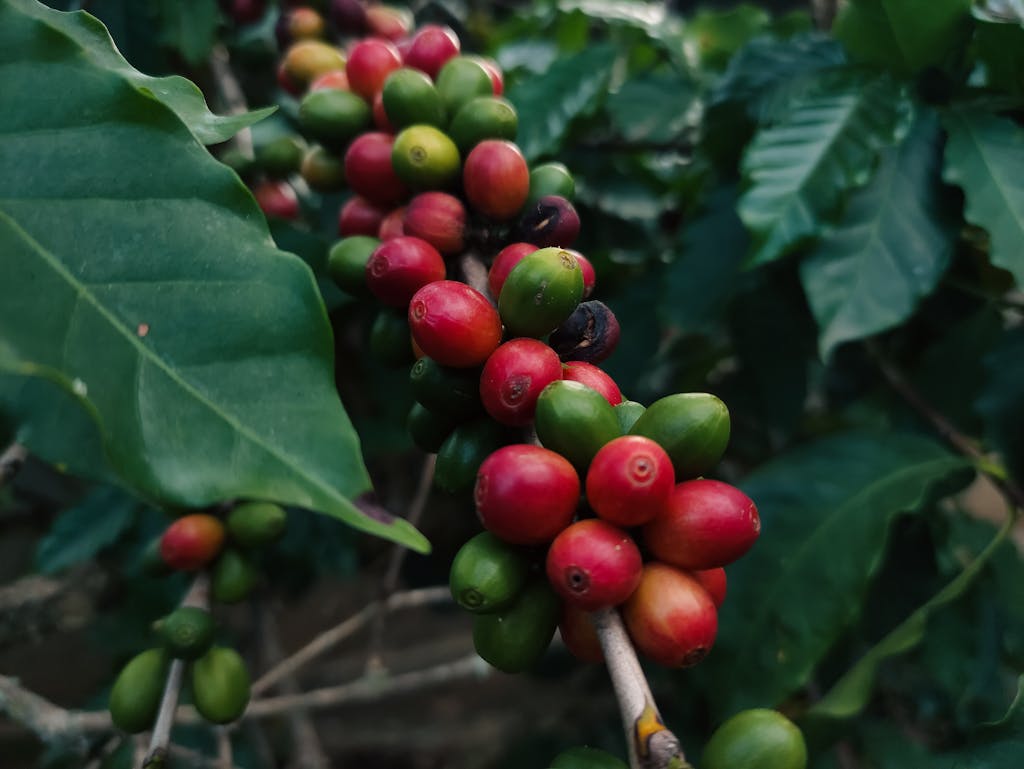
Climate and environmental inputs form the core foundation of predictive disease modeling in modern coffee agriculture because nearly every major coffee pathogen is strongly influenced by environmental conditions. Temperature fluctuations, humidity levels, rainfall patterns, soil moisture, wind circulation, and seasonal variability all affect how diseases emerge, spread, and interact with coffee plants. In 2026, climate instability has made these variables increasingly unpredictable, forcing agricultural systems to rely more heavily on real-time environmental monitoring and AI-driven forecasting models to manage disease risk effectively.
Coffee agriculture has always depended on relatively stable tropical climate cycles, particularly in high-elevation Arabica-growing regions where moderate temperatures and predictable rainy seasons historically supported both plant health and flavor development. However, rising global temperatures and increasingly erratic weather systems are disrupting these environmental balances across major producing regions. Prolonged droughts, sudden flooding events, delayed rainy seasons, and warmer nighttime temperatures are altering disease behavior and weakening plant resilience simultaneously.
Environmental instability is also increasing the economic importance of accurate forecasting. Global coffee markets remain under pressure from transportation bottlenecks, fertilizer price volatility, labor shortages, and geopolitical disruptions affecting shipping routes throughout 2025 and 2026. Under these conditions, disease outbreaks can trigger severe financial consequences not only for farms but for exporters, roasters, and downstream supply chains dependent on stable production.
Predictive systems therefore rely heavily on continuous environmental data collection. Weather stations, soil sensors, satellite imaging, drone mapping, and IoT agricultural networks now generate massive volumes of climate information used to identify high-risk disease conditions before visible outbreaks occur. Machine learning systems analyze these inputs continuously, helping producers respond proactively rather than reactively.
Temperature and Humidity Effects
Temperature and humidity are among the most influential environmental variables affecting coffee disease development. Many fungal pathogens, including coffee leaf rust, thrive under specific combinations of heat and moisture that accelerate spore growth and transmission. As average global temperatures continue rising, these favorable disease conditions are expanding into regions that historically experienced lower infection pressure.
Warmer nighttime temperatures have become especially problematic for Arabica coffee production. Coffee plants rely on cooler nighttime conditions to regulate metabolic processes and maintain healthy cherry development. Elevated nighttime temperatures not only stress the plants directly but also create more favorable conditions for fungal survival and reproduction.
Humidity plays an equally important role because moisture allows fungal spores to germinate and spread more effectively across leaf surfaces. Extended periods of high humidity following rainfall can dramatically increase infection risk, particularly in densely planted farms with limited airflow. Conversely, drought conditions may initially suppress some fungal activity but weaken plant immune systems, increasing vulnerability to pests and secondary infections later in the growing cycle.
Modern predictive systems continuously monitor temperature and humidity fluctuations at both regional and farm-specific levels. Advanced models can now estimate how even subtle environmental changes may influence pathogen activity, allowing producers to identify elevated disease risk earlier than traditional observation methods alone.
Rainfall and Seasonal Variability
Rainfall patterns strongly influence nearly every stage of coffee plant health and disease development. Historically, many coffee-producing regions relied on relatively stable wet and dry seasons that helped regulate flowering cycles, cherry maturation, and agricultural planning. Climate instability is increasingly disrupting these seasonal patterns, creating more volatile growing environments across major coffee regions.
Irregular rainfall can create ideal conditions for fungal outbreaks by extending periods of leaf moisture and altering farm humidity levels. Heavy storms followed by prolonged humidity often accelerate pathogen transmission, while delayed rainy seasons may weaken plants through drought stress before sudden moisture increases trigger aggressive disease spread.
Rainfall variability also complicates agricultural timing. Flowering synchronization, fertilization schedules, harvesting operations, and fungicide applications all depend heavily on seasonal predictability. When climate cycles become unstable, farms struggle to maintain efficient management practices, increasing both disease exposure and operational costs.
In 2025 and 2026, several producing regions experienced severe rainfall anomalies tied to broader climate disruptions, including El Niño-related weather instability and extreme storm activity. These conditions increased the need for dynamic forecasting systems capable of adapting to rapidly changing environmental inputs rather than relying solely on historical seasonal assumptions.
Soil Health Indicators
Soil conditions directly influence coffee plant resilience and disease susceptibility because healthy soils support stronger root systems, improved nutrient absorption, and more stable microbial ecosystems. Environmental stress, excessive chemical use, erosion, and deforestation can degrade soil quality over time, weakening plants and increasing vulnerability to pathogens.
Predictive agricultural systems increasingly monitor soil moisture, nutrient availability, pH balance, organic matter levels, and microbial activity as part of broader disease forecasting models. Waterlogged soils may increase root disease risk, while nutrient-deficient soils can reduce plant immunity and recovery capacity after infection.
Researchers are also paying greater attention to soil microbiomes — the complex communities of bacteria, fungi, and microorganisms surrounding coffee roots. Healthy microbial diversity may naturally suppress harmful pathogens and improve overall plant stability. Climate change and intensive farming practices, however, can disrupt these ecosystems and create conditions where harmful organisms become more dominant.
As sustainability concerns continue growing throughout the coffee industry, many predictive systems now integrate soil restoration and regenerative agriculture principles alongside disease forecasting. The objective is not only predicting outbreaks but also improving the long-term environmental resilience of farming systems.
Wind and Geographic Transmission Patterns
Wind patterns and geographic conditions significantly affect how coffee diseases spread between farms and across larger agricultural regions. Airborne fungal spores can travel considerable distances under favorable conditions, particularly during periods of high humidity and strong wind circulation. Mountainous terrain, elevation gradients, and regional climate systems all influence how pathogens move through coffee-producing landscapes.
Geographic modeling has become increasingly important because climate change is altering the environmental boundaries where diseases can survive. Rising temperatures are allowing pests and pathogens to move into higher elevations that once acted as natural barriers against infection. Regions previously considered relatively safe from severe disease pressure are now experiencing increased vulnerability as environmental conditions shift.
Satellite imaging and GIS-based mapping systems are becoming essential tools for understanding regional disease transmission. Researchers use geographic data to identify hotspots of environmental risk and track how outbreaks evolve over time across different terrains and microclimates.
In 2026, predictive disease systems increasingly combine environmental monitoring with geographic intelligence and AI-driven modeling to create highly localized risk forecasts. These technologies allow producers, cooperatives, and governments to coordinate disease prevention efforts more effectively across entire agricultural regions rather than relying solely on isolated farm-level responses.
We Build The World’s Most Affordable Coffee Roasters
Data Collection for Disease Prediction

Accurate data collection has become one of the most important components of predictive disease modeling in modern coffee agriculture. In 2026, predictive systems rely on enormous volumes of environmental, biological, geographic, and operational data to forecast disease outbreaks before they become economically devastating. Without consistent and high-quality data inputs, even the most advanced artificial intelligence and forecasting models lose effectiveness. As climate instability accelerates and agricultural conditions become increasingly unpredictable, the ability to collect, process, and analyze real-time field information is rapidly evolving into a critical competitive advantage across the coffee industry.
Traditional disease monitoring in coffee farming depended heavily on manual field inspections and visual observation after symptoms became visible. While experienced farmers can still identify early signs of infection, reactive observation alone is often too slow under modern environmental conditions where fungal pathogens and pests may spread rapidly across farms and entire regions. Predictive agriculture instead focuses on identifying invisible environmental signals and biological indicators before outbreaks reach damaging levels.
The expansion of digital agriculture technologies has transformed how coffee farms gather and manage information. Sensor networks, drones, satellite imaging systems, mobile agricultural platforms, IoT devices, and AI-powered analytics are now capable of continuously monitoring environmental conditions at scales ranging from individual plants to entire agricultural regions. These systems generate massive datasets that allow machine learning models to identify patterns associated with disease emergence and transmission with far greater precision than historical methods.
Data collection has also become more important because the financial consequences of disease outbreaks have intensified throughout 2025 and 2026. Rising shipping costs, fertilizer price volatility, labor shortages, geopolitical instability, and supply chain disruptions have increased the economic impact of crop losses across global coffee markets. Predictive systems capable of reducing disease-related uncertainty therefore provide both agricultural and financial value throughout the supply chain.
Satellite Imaging and Remote Sensing
Satellite imaging has become one of the most powerful tools in large-scale agricultural disease monitoring because it allows researchers and producers to observe environmental conditions continuously across vast farming regions. Modern satellites can detect subtle changes in vegetation health, moisture levels, canopy density, temperature variation, and plant stress patterns that may indicate elevated disease risk before visible symptoms become widespread.
Remote sensing systems analyze reflected light signatures from coffee plants to identify abnormal biological activity associated with stress or infection. Changes in leaf coloration, chlorophyll activity, water retention, and canopy structure can often signal developing problems long before manual inspection detects visible damage. These technologies are especially valuable in remote or mountainous coffee-growing regions where physical field access may be difficult or labor intensive.
In 2026, satellite monitoring has become increasingly sophisticated due to improvements in imaging resolution, cloud-based agricultural analytics, and AI-driven interpretation systems. Machine learning models can now compare current satellite data with historical outbreak records and environmental conditions to estimate disease probabilities across highly localized geographic zones.
Satellite systems also support broader regional planning by helping governments, cooperatives, and exporters monitor disease trends across entire producing regions. This large-scale visibility becomes increasingly important as climate instability alters traditional agricultural patterns and disease boundaries worldwide.
Drone-Based Crop Monitoring
Drones are becoming increasingly common within coffee agriculture because they provide highly detailed field-level monitoring capabilities that complement satellite systems. Unlike satellites, drones can operate at lower altitudes and capture ultra-high-resolution imagery capable of identifying early disease symptoms on individual plants or small sections of farms.
Modern agricultural drones are equipped with multispectral cameras, thermal imaging systems, and AI-assisted visual analysis tools that detect plant stress, moisture irregularities, canopy damage, and potential infection hotspots. These systems allow producers to identify disease-prone areas quickly and deploy targeted interventions rather than treating entire farms uniformly.
Drone technology also improves operational efficiency by reducing the need for time-consuming manual inspections across difficult terrain. In mountainous coffee regions where farms may cover steep or heavily forested areas, aerial monitoring provides faster and more comprehensive visibility into crop conditions.
As drone technology becomes more affordable and accessible in 2026, many cooperatives and agricultural organizations are beginning to share drone monitoring resources among smallholder farmers who may not individually afford advanced equipment. This collaborative approach may become increasingly important as predictive agriculture expands globally.
Ground-Level Sensor Networks
Ground-level sensors provide highly localized environmental data that forms the backbone of many predictive disease forecasting systems. These sensors continuously monitor variables such as temperature, humidity, soil moisture, rainfall, leaf wetness, wind speed, and solar radiation directly within coffee-growing environments.
Leaf wetness sensors are especially important for fungal disease prediction because many pathogens require prolonged surface moisture to infect plants successfully. By monitoring how long leaves remain wet after rainfall or humidity events, predictive systems can estimate periods of elevated fungal infection risk with high accuracy.
Soil sensors also help identify environmental stress conditions that weaken coffee plants and increase vulnerability to disease. Drought stress, waterlogged soils, nutrient deficiencies, and temperature fluctuations all affect plant immunity and recovery capacity.
IoT-connected agricultural sensor networks are increasingly integrated into cloud-based analytics platforms where real-time environmental data can be processed continuously by AI systems. These technologies allow predictive models to update dynamically as environmental conditions change throughout the growing season.
Farm-Level Observation Systems
Despite advances in automation and remote sensing, direct farm-level observation remains a critical component of predictive disease systems. Farmers and field technicians continue providing valuable biological insights that help validate and refine digital forecasting models.
Mobile agricultural applications now allow producers to record disease symptoms, pest activity, flowering stages, harvest conditions, and environmental observations directly into centralized databases. This real-time field reporting improves model accuracy by combining environmental sensor data with direct biological observations from the field itself.
Community-based reporting systems are also becoming increasingly important for identifying emerging outbreaks early across larger regions. Cooperative networks, agricultural extension programs, and government agencies can aggregate local farm reports to detect regional disease trends before widespread crop damage occurs.
Artificial intelligence increasingly helps organize and interpret these observational datasets by identifying patterns and correlations that may not be immediately obvious through manual analysis alone. In 2026, many predictive systems operate through hybrid models where AI analytics, remote sensing technologies, and human agricultural expertise work together to improve forecasting reliability.
As predictive agriculture continues evolving, data collection is becoming far more than a technical process. It is rapidly transforming into the central infrastructure supporting the future resilience, sustainability, and economic stability of global coffee production under increasingly volatile environmental conditions.
Let Coffee Crafters Help You Become A Coffee Roaster
Machine Learning Applications

Machine learning is rapidly becoming one of the most transformative technologies in modern coffee agriculture as producers and researchers attempt to manage increasingly complex environmental and biological challenges. In 2026, predictive disease modeling systems are evolving far beyond traditional statistical forecasting methods and increasingly relying on artificial intelligence capable of processing massive agricultural datasets in real time. Machine learning algorithms now help identify disease risks, optimize resource allocation, forecast environmental stress, and improve agricultural decision-making across multiple stages of coffee production.
The growing importance of machine learning reflects the expanding complexity of global agriculture itself. Coffee farms now operate under highly volatile environmental conditions shaped by climate instability, irregular rainfall patterns, rising temperatures, soil degradation, pest expansion, and unpredictable seasonal cycles. At the same time, economic pressures tied to rising fertilizer prices, labor shortages, transportation disruptions, and geopolitical instability affecting global trade routes have increased the financial consequences of agricultural uncertainty throughout 2025 and 2026.
Traditional agricultural management systems often struggle under these rapidly changing conditions because they rely heavily on historical averages and manual observation. Machine learning systems, by contrast, continuously adapt as new data becomes available. These models can identify subtle relationships between environmental variables, disease behavior, and crop performance that may not be detectable through conventional analytical methods alone.
Modern predictive agriculture increasingly combines machine learning with satellite imagery, IoT sensor networks, drone mapping, genomic analysis, climate forecasting, and farm-level reporting systems. Together, these technologies are creating highly integrated agricultural intelligence platforms capable of forecasting biological threats and optimizing farm operations with unprecedented precision.
Identifying Early Disease Signals
One of the most valuable applications of machine learning in coffee agriculture is the ability to identify early disease signals before visible symptoms become widespread in the field. Many plant diseases begin developing internally or under environmental conditions that appear normal to human observers. AI systems can detect subtle patterns associated with elevated disease risk by analyzing enormous quantities of environmental and biological data simultaneously.
Machine learning algorithms examine variables such as humidity fluctuations, temperature trends, leaf wetness duration, rainfall timing, soil moisture, canopy stress patterns, and historical outbreak records to identify combinations associated with early-stage disease development. Satellite imagery and drone-based imaging systems further enhance this capability by allowing AI models to detect slight changes in vegetation health, leaf coloration, and plant stress indicators across large farming areas.
Early detection is becoming increasingly important because climate instability is accelerating disease spread in many producing regions. Fungal pathogens such as coffee leaf rust can expand rapidly under favorable environmental conditions, making preventative intervention far more effective than reactive treatment after severe infection has already occurred.
By identifying elevated risk conditions earlier, machine learning systems allow producers to target interventions more precisely while reducing unnecessary chemical applications and operational costs.
Forecasting Outbreak Probability
Machine learning models are increasingly used to estimate the probability of disease outbreaks under changing environmental conditions. Rather than attempting to predict exact outcomes with certainty, these systems generate probabilistic forecasts that help producers assess relative risk levels across different farms, regions, and time periods.
AI-driven forecasting systems continuously update as environmental conditions change throughout the growing season. New weather data, sensor readings, satellite imagery, and farm observations are incorporated into predictive models in real time, allowing disease forecasts to evolve dynamically rather than relying solely on static historical patterns.
This adaptability is especially important in 2026 because climate change is making historical agricultural assumptions less reliable. Environmental conditions that once occurred rarely are becoming increasingly common, while seasonal cycles in many producing regions are becoming less predictable. Machine learning systems are particularly valuable under these circumstances because they can adjust more effectively to emerging patterns than rigid rule-based forecasting models.
Outbreak forecasting also provides economic benefits throughout the supply chain. Exporters, cooperatives, roasters, and commodity traders increasingly monitor agricultural risk forecasts to anticipate supply disruptions, pricing volatility, and inventory shortages tied to environmental instability.
Pattern Recognition in Agricultural Data
Modern coffee agriculture generates enormous volumes of data from sensors, satellites, weather systems, farm reports, laboratory analysis, and operational records. One of the greatest strengths of machine learning is its ability to identify complex patterns within these massive datasets that would be difficult or impossible for humans to recognize manually.
AI systems can analyze relationships between climate conditions, disease emergence, pest activity, soil health, crop yields, and quality outcomes across multiple years and geographic regions simultaneously. These systems often uncover nonlinear interactions where combinations of variables produce outcomes that traditional statistical analysis may overlook.
For example, machine learning models may identify how certain humidity conditions combined with elevated nighttime temperatures and specific rainfall timing dramatically increase the likelihood of fungal outbreaks in particular elevation zones. These insights help researchers refine predictive systems and improve agricultural management strategies.
Pattern recognition capabilities are also expanding into genomic research and plant breeding programs. AI-assisted systems increasingly analyze genetic data alongside environmental and disease records to identify resilient coffee traits and accelerate development of climate-adapted cultivars.
Automated Risk Assessment Systems
Automated risk assessment platforms are becoming increasingly common throughout large-scale coffee agriculture because they allow continuous evaluation of environmental threats without requiring constant manual analysis. These systems combine machine learning models with real-time environmental monitoring to generate dynamic disease risk alerts and management recommendations.
Modern agricultural platforms may integrate weather forecasts, soil sensors, drone imagery, satellite data, farm observations, and historical disease records into centralized AI systems capable of evaluating risk continuously. Farmers receive alerts when environmental conditions reach thresholds associated with elevated disease probability, allowing earlier intervention and more efficient resource deployment.
Some systems are also beginning to recommend specific management strategies based on predicted risk levels. AI-driven agricultural platforms may suggest targeted fungicide applications, irrigation adjustments, harvest timing changes, or intensified field inspections depending on current environmental conditions and crop vulnerability.
In 2026, automated agricultural intelligence systems are increasingly viewed as essential tools for improving resilience within climate-sensitive industries such as coffee production. As environmental volatility continues increasing, machine learning applications are shifting from experimental technologies into core operational infrastructure supporting the future stability of global coffee agriculture.
Sustainability and Resource Management
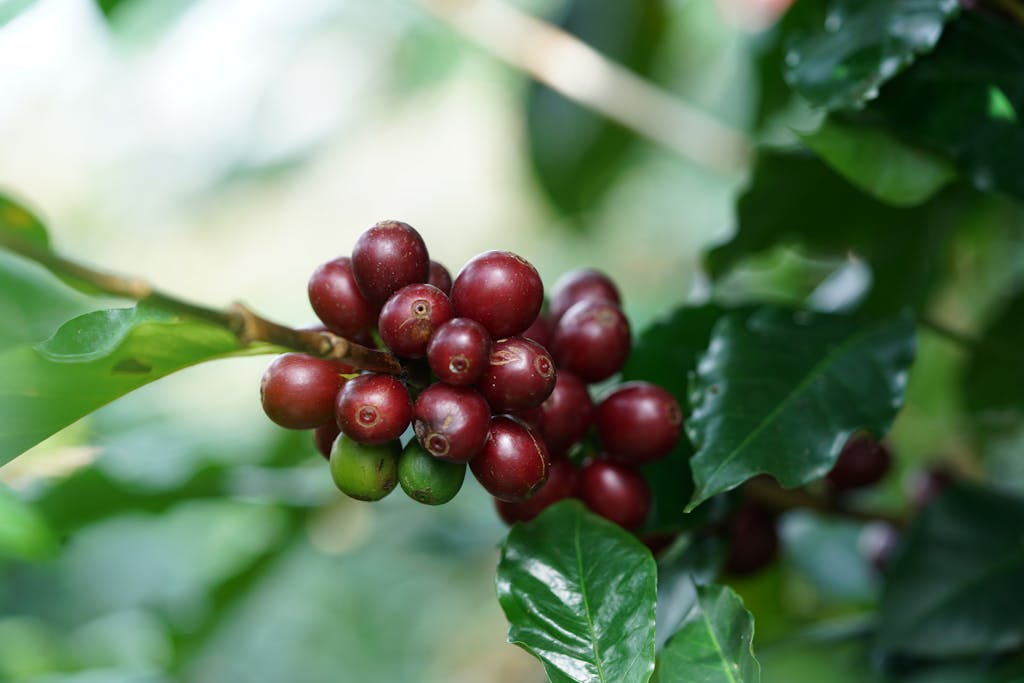
Sustainability and resource management have become central priorities within modern coffee agriculture as environmental instability, rising production costs, and supply chain disruptions continue placing pressure on global farming systems. In 2026, coffee producers face the difficult challenge of maintaining stable yields and quality while reducing environmental impact and adapting to increasingly unpredictable climate conditions. Predictive disease modeling and AI-driven agricultural systems are emerging as important tools for improving sustainability because they allow farms to use water, chemicals, labor, and energy more efficiently while reducing unnecessary agricultural intervention.
Traditional coffee farming often depended on reactive management strategies that could be resource intensive and environmentally damaging. Disease outbreaks frequently triggered widespread fungicide applications, irrigation overuse, or aggressive land expansion into forested areas. While these approaches sometimes protected short-term production, they often contributed to soil degradation, biodiversity loss, water contamination, and long-term ecosystem instability.
Modern predictive agriculture is shifting toward precision management systems capable of targeting problems earlier and more accurately. By forecasting disease risks before outbreaks become severe, farms can apply treatments only where and when they are needed instead of relying on broad preventative chemical use across entire growing regions. This transition not only lowers operational costs but also reduces environmental pressure on sensitive agricultural ecosystems.
The urgency surrounding sustainability has intensified due to broader global instability affecting coffee production throughout 2025 and 2026. Rising fertilizer costs linked to energy market volatility, transportation disruptions caused by geopolitical conflicts affecting major shipping routes, and increasing labor shortages have made agricultural efficiency more economically important than ever. Farms capable of reducing waste and improving resource optimization may gain significant resilience advantages under these increasingly difficult market conditions.
Sustainability within coffee agriculture is also evolving beyond environmental certification frameworks alone. Producers, exporters, and specialty buyers increasingly recognize that long-term agricultural survival depends on building farming systems capable of adapting to climate stress while preserving biodiversity, soil health, water availability, and economic stability for farming communities.
Reducing Chemical Overuse
One of the most important sustainability benefits of predictive disease modeling is the potential to reduce excessive pesticide and fungicide use within coffee farming systems. Traditional disease management often relied on blanket chemical applications because producers lacked precise forecasting tools capable of identifying where outbreaks were most likely to occur.
Overuse of agricultural chemicals can create multiple long-term problems. Soil ecosystems may become degraded, beneficial microbial communities can be disrupted, water systems may become contaminated through runoff, and pathogens may gradually develop resistance to treatment products over time. Chemical dependency also increases operational costs for farmers already struggling with rising agricultural input expenses.
Predictive disease systems allow farms to deploy targeted treatment strategies based on actual environmental risk rather than generalized preventative spraying schedules. Machine learning models and environmental monitoring systems can identify specific farms, elevations, or microclimates facing elevated outbreak probability, allowing producers to focus interventions more efficiently.
Reducing unnecessary chemical applications also aligns with growing consumer demand for environmentally responsible coffee production. Specialty coffee markets increasingly value sustainability practices tied to regenerative agriculture, biodiversity preservation, and reduced ecological impact.
Targeted Fungicide Applications
Precision fungicide management represents one of the clearest practical applications of predictive agriculture within coffee disease control. Fungal pathogens such as coffee leaf rust thrive under specific combinations of humidity, temperature, and leaf moisture duration. Predictive systems can identify these environmental conditions before severe infection develops, allowing farms to intervene earlier and more strategically.
Instead of applying fungicides uniformly across large growing areas, producers can target treatments toward high-risk zones identified through AI forecasting systems, sensor networks, and satellite analysis. This improves treatment efficiency while reducing chemical exposure throughout broader ecosystems.
Targeted intervention also lowers operational expenses by reducing chemical waste and labor requirements. In 2026, these economic benefits have become increasingly important as fertilizer prices, fuel costs, and transportation expenses remain elevated due to global supply chain instability and ongoing geopolitical disruptions.
Advanced predictive systems may eventually optimize treatment timing with even greater precision by integrating weather forecasts, crop growth stages, and pathogen life-cycle modeling into automated agricultural decision-support platforms.
Water Conservation Through Precision Agriculture
Water management is becoming increasingly critical for coffee agriculture as climate change intensifies drought conditions and rainfall variability across major producing regions. Many farms are experiencing prolonged dry periods followed by sudden extreme rainfall events that complicate irrigation planning and increase environmental stress on coffee plants.
Precision agriculture systems help improve water conservation by continuously monitoring soil moisture, evapotranspiration rates, plant stress indicators, and weather forecasts. AI-driven irrigation models can optimize watering schedules based on real-time environmental conditions rather than relying on fixed seasonal assumptions.
Reducing unnecessary irrigation not only conserves water resources but also lowers energy consumption associated with pumping and distribution systems. Efficient water management becomes particularly important in regions where groundwater depletion and competition for freshwater resources are increasing.
Water conservation also influences disease dynamics directly. Excessive irrigation or poor drainage can create favorable conditions for fungal pathogens and root diseases. Precision agriculture therefore supports both sustainability and disease prevention simultaneously by maintaining more stable environmental conditions around coffee plants.
Improving Long-Term Farm Stability
Sustainable resource management ultimately aims to improve the long-term resilience and stability of coffee farming systems under increasingly volatile environmental and economic conditions. Climate instability, disease pressure, labor shortages, rising agricultural input costs, and market volatility are all contributing to growing uncertainty within global coffee production.
Predictive agriculture helps stabilize farm operations by reducing unnecessary waste, improving resource allocation, and minimizing severe crop losses caused by unmanaged disease outbreaks. Farms capable of forecasting environmental threats earlier may maintain more consistent yields and lower long-term operational risk.
Long-term stability also depends heavily on preserving soil health, biodiversity, and ecological resilience rather than maximizing short-term productivity alone. Many sustainability-focused coffee programs now integrate predictive analytics with regenerative agriculture practices such as agroforestry, composting, shade-grown cultivation, and microbial soil restoration.
In 2026, sustainability within coffee agriculture increasingly reflects a systems-level approach where environmental stewardship, technological innovation, economic resilience, and resource optimization are treated as interconnected components of long-term agricultural survival. Predictive disease modeling and AI-driven resource management are becoming essential tools in helping the global coffee industry adapt to an era defined by climate uncertainty and growing ecological pressure.
Sign up For Exclusive Deals
And MUST-HAVE Offers
VALID FOR NEW AND EXISTING Customers
Economic Impacts

The economic impacts of coffee plant diseases and climate instability are becoming increasingly severe as global agricultural systems face mounting environmental and geopolitical pressure. In 2026, disease outbreaks are no longer isolated biological problems affecting only individual farms. They now represent major economic risks capable of disrupting regional labor markets, destabilizing export economies, increasing commodity price volatility, and creating supply chain uncertainty throughout the global coffee industry.
Coffee remains one of the world’s most valuable agricultural commodities, supporting millions of livelihoods across Latin America, Africa, and Asia. Many producing nations rely heavily on coffee exports as critical sources of national revenue and rural employment. When disease outbreaks reduce production or damage quality, the consequences ripple through every level of the supply chain — from smallholder farmers and cooperatives to exporters, shipping companies, specialty roasters, retailers, and financial markets.
The financial strain associated with disease management has intensified throughout 2025 and 2026 due to broader global instability. Rising fertilizer prices linked to energy market volatility, elevated transportation costs caused by disruptions in major shipping corridors, labor shortages, inflationary pressure, and geopolitical conflicts have all increased the operational vulnerability of coffee farms worldwide. Under these conditions, even moderate disease outbreaks can produce severe financial consequences because farms are operating with increasingly narrow profit margins.
Predictive disease modeling is therefore becoming economically valuable not only for reducing crop loss but also for improving financial planning and supply chain stability. Forecasting systems capable of identifying elevated disease risks early allow farms and exporters to make more informed operational decisions, reducing uncertainty across broader agricultural markets.
Protecting Farmer Revenue
For coffee farmers, disease outbreaks directly threaten income stability because infections reduce both yield volume and crop quality simultaneously. Diseases such as coffee leaf rust weaken plant productivity, while coffee berry disease damages developing cherries and lowers export-grade quality standards. In severe outbreaks, producers may lose substantial portions of a harvest before meaningful intervention becomes possible.
Smallholder farmers are particularly vulnerable because many lack financial reserves, crop insurance, irrigation infrastructure, or access to advanced disease management technologies. A single major outbreak can create long-term debt burdens, reduce reinvestment capacity, and threaten the long-term viability of family farming operations.
Predictive disease systems help protect farmer revenue by allowing earlier intervention and more efficient resource allocation. Farms can prioritize monitoring, irrigation, fungicide application, and labor deployment in high-risk areas before widespread infection occurs. This targeted approach lowers unnecessary operational expenses while reducing catastrophic production losses.
More stable production also improves farmers’ ability to negotiate contracts, manage inventory planning, and maintain consistent relationships with specialty buyers who increasingly demand supply reliability alongside quality.
Stabilizing Global Coffee Markets
Disease outbreaks contribute significantly to volatility within global coffee markets because reductions in production volume and quality can quickly influence international commodity pricing. Coffee prices have remained highly unstable throughout 2025 and 2026 due to overlapping pressures involving climate disruptions, transportation bottlenecks, labor shortages, geopolitical conflicts, and fluctuating agricultural input costs.
When major producing regions experience severe disease outbreaks, concerns regarding future supply availability often trigger rapid price fluctuations across commodity exchanges and specialty markets. These disruptions create uncertainty for exporters, importers, roasters, and retailers attempting to manage inventory and long-term purchasing agreements.
Predictive disease forecasting may help stabilize markets by improving visibility into future agricultural risk conditions. Early forecasting systems allow industry participants to anticipate production challenges more accurately and adjust sourcing strategies before severe shortages emerge. Improved forecasting reduces uncertainty and allows supply chain participants to make more informed financial decisions under volatile market conditions.
Large coffee companies and commodity traders are increasingly investing in agricultural forecasting systems because stable supply chains are becoming strategically important amid growing climate and geopolitical instability.
Risk Reduction for Exporters and Roasters
Exporters and specialty coffee roasters face growing financial exposure as environmental instability increases production unpredictability worldwide. Disease outbreaks can delay harvest schedules, reduce quality consistency, and create sudden supply shortages that disrupt long-term purchasing agreements and customer relationships.
Specialty roasters are especially vulnerable because premium coffee markets depend heavily on consistency in flavor profile, bean quality, and sourcing transparency. Even moderate disease pressure may alter cup characteristics enough to affect product quality and consumer perception.
Predictive disease modeling helps reduce these risks by improving visibility into potential production disruptions earlier in the supply chain. Exporters can diversify sourcing strategies, adjust logistics planning, and prepare inventory buffers when elevated disease risks are detected in producing regions.
Roasters are also beginning to integrate climate and disease forecasting into purchasing decisions. In 2026, some specialty coffee buyers increasingly monitor environmental analytics and agricultural AI platforms alongside traditional market reports when evaluating long-term sourcing stability.
Insurance and Financial Forecasting Applications
As agricultural risks become more difficult to predict under changing climate conditions, predictive disease modeling is also gaining importance within agricultural finance and insurance sectors. Crop insurers, lenders, commodity analysts, and financial institutions increasingly rely on environmental forecasting systems to evaluate agricultural risk exposure more accurately.
Insurance providers may eventually use predictive disease analytics to develop more dynamic agricultural insurance models based on real-time environmental conditions rather than broad regional assumptions. Farms using advanced monitoring systems and preventative agricultural technologies may receive improved insurance terms due to lower projected outbreak risk.
Financial forecasting systems are also becoming increasingly dependent on agricultural AI analytics because coffee market volatility now reflects complex interactions between climate conditions, disease outbreaks, transportation disruptions, energy prices, and geopolitical instability. Predictive agriculture therefore provides value far beyond individual farms by supporting broader economic planning throughout the global coffee industry.
In 2026, the economic impacts of predictive disease modeling are increasingly tied to the larger transformation occurring within global agriculture. Climate resilience, data analytics, environmental forecasting, and intelligent resource management are becoming essential financial tools for stabilizing agricultural industries operating under growing environmental and geopolitical uncertainty.
Challenges and Limitations
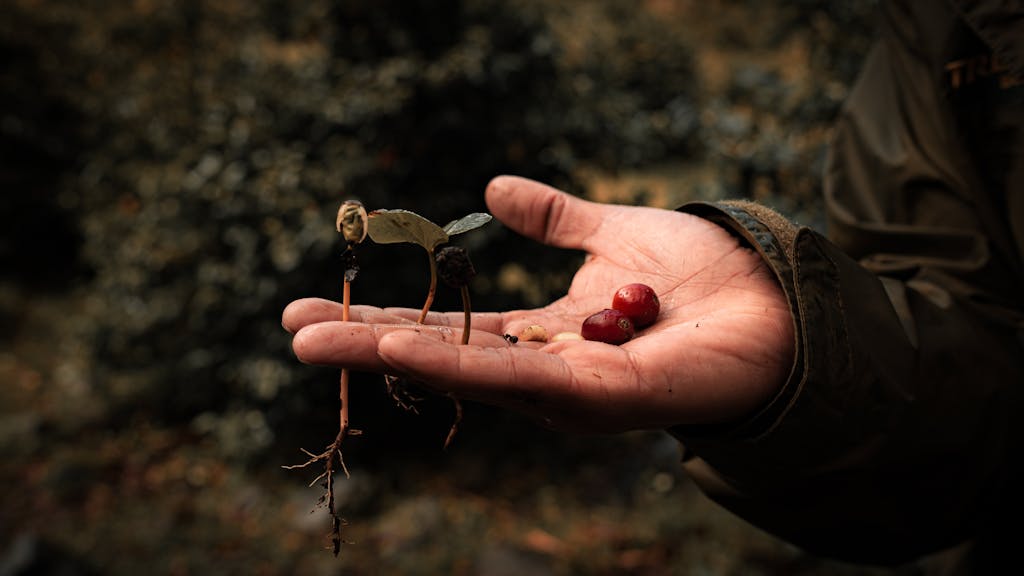
Despite the rapid advancement of predictive disease modeling and AI-driven agricultural systems, significant challenges and limitations continue to affect the reliability, accessibility, and long-term effectiveness of these technologies within global coffee production. In 2026, predictive agriculture remains a powerful but imperfect tool operating within highly complex biological, environmental, and economic systems that are becoming increasingly unstable under climate change and geopolitical disruption.
Coffee agriculture presents unique forecasting difficulties because disease development is influenced by countless interacting variables that are constantly evolving. Environmental conditions, plant genetics, soil ecosystems, pest behavior, farming practices, and regional climate patterns all affect disease dynamics simultaneously. Small changes in temperature, humidity, rainfall timing, or soil health can dramatically alter how pathogens spread and how coffee plants respond to infection.
At the same time, predictive systems depend heavily on large quantities of accurate and continuously updated data. In many producing regions, especially among smallholder farming communities, access to digital infrastructure, sensor networks, satellite monitoring, and stable internet connectivity remains limited. This creates uneven technological adoption across global coffee production systems, potentially widening economic disparities between highly capitalized agricultural operations and smaller farms with fewer resources.
Predictive modeling also faces broader structural challenges tied to climate instability itself. Historical agricultural patterns are becoming less reliable as weather systems grow increasingly volatile. Machine learning systems trained on past environmental data may struggle when confronted with climate conditions that fall outside previously observed ranges. This uncertainty becomes especially important as global environmental conditions continue shifting faster than many forecasting models can fully adapt.
Incomplete Data Collection
One of the largest limitations facing predictive disease systems is the difficulty of collecting complete, accurate, and standardized agricultural data across diverse coffee-growing regions. Predictive models rely on continuous streams of environmental and biological information, including temperature, humidity, rainfall, soil conditions, disease observations, satellite imagery, and operational farm records.
Many coffee farms, however, operate in remote mountainous areas with limited infrastructure and inconsistent access to digital monitoring technologies. Smallholder producers may lack weather stations, IoT sensor networks, drone systems, or reliable internet connectivity needed for real-time data transmission. In some regions, even basic agricultural recordkeeping remains inconsistent due to financial and logistical limitations.
Data gaps reduce forecasting accuracy because machine learning systems depend heavily on large datasets to identify reliable disease patterns. Missing or inconsistent data can create blind spots within predictive models and increase the likelihood of inaccurate forecasts or delayed outbreak detection.
Standardization also remains a challenge. Different farms, cooperatives, governments, and research organizations often collect environmental and disease data using different methodologies, making it difficult to integrate datasets across broader regional or international forecasting systems.
Regional Variability
Coffee-growing regions differ significantly in climate, elevation, soil composition, biodiversity, farming practices, and disease exposure patterns. Predictive models that perform well in one geographic region may produce inaccurate forecasts when applied to different environmental conditions elsewhere.
For example, the environmental triggers associated with coffee leaf rust outbreaks in Central America may differ substantially from those affecting East African or Southeast Asian coffee farms. Microclimates created by elevation changes, mountain terrain, rainfall patterns, and shade coverage further complicate forecasting because disease behavior may vary dramatically across relatively short geographic distances.
This regional complexity makes universal agricultural forecasting extremely difficult. Many predictive systems must be trained and calibrated for highly localized conditions rather than relying solely on generalized global models. Building these localized systems requires large amounts of regional data, ongoing field validation, and continuous model refinement.
Climate change is further increasing regional unpredictability by altering historical environmental patterns. Areas previously considered stable may suddenly experience new disease pressures, while traditional agricultural assumptions become less reliable over time.
Infrastructure Barriers in Developing Nations
Many of the world’s largest coffee-producing regions are located in developing nations where technological infrastructure remains unevenly distributed. Advanced predictive agriculture systems often require stable electricity, internet access, cloud computing resources, digital literacy, and ongoing technical support that may not be consistently available across rural farming communities.
The financial cost of implementing sensor networks, satellite monitoring subscriptions, drone programs, and AI-driven analytics platforms can also be prohibitively expensive for smallholder farmers. Although some cooperatives and governments are working to expand access to digital agriculture technologies, adoption remains uneven throughout much of the global coffee industry.
These infrastructure barriers raise concerns regarding technological inequality. Large agricultural companies and well-funded exporters may gain substantial resilience advantages through predictive systems, while smaller producers risk falling further behind if they cannot access similar tools.
Several public-sector organizations and nonprofit agricultural programs are attempting to address these disparities through cooperative technology-sharing initiatives, mobile-based agricultural platforms, and open-access forecasting systems. However, scaling these solutions globally remains a significant challenge in 2026.
Model Accuracy and False Positives
Predictive disease systems are inherently probabilistic rather than perfectly deterministic. Even highly advanced AI models cannot guarantee outbreak outcomes with complete certainty because biological systems remain highly dynamic and influenced by countless interacting variables.
False positives represent one major challenge. Predictive systems may identify elevated disease risk conditions that ultimately do not produce severe outbreaks. Excessive false alarms can reduce farmer trust in forecasting systems and potentially lead to unnecessary chemical applications or operational expenses.
False negatives are equally concerning because missed outbreaks may create severe crop losses if producers rely too heavily on inaccurate forecasts. Maintaining balance between sensitivity and reliability remains one of the central technical challenges within predictive agriculture.
Machine learning systems also face the problem of “model drift,” where forecasting accuracy gradually declines as environmental conditions evolve beyond the historical data used during training. Climate change increases this risk because future agricultural conditions may differ substantially from past patterns that originally shaped predictive models.
Researchers increasingly emphasize that predictive systems should function as decision-support tools rather than fully autonomous replacements for agricultural expertise. Human observation, regional knowledge, and field-level judgment remain essential components of effective disease management even as AI-driven forecasting systems become more advanced.
In 2026, the challenges facing predictive disease modeling highlight a broader reality within modern agriculture: technological innovation alone cannot fully eliminate uncertainty within highly complex environmental systems. The future effectiveness of predictive agriculture will likely depend on continuous adaptation, improved global collaboration, expanded infrastructure access, and careful integration of artificial intelligence with ecological understanding and human agricultural expertise.
Let Coffee Crafters Help You Become A Coffee Roaster
Future Directions
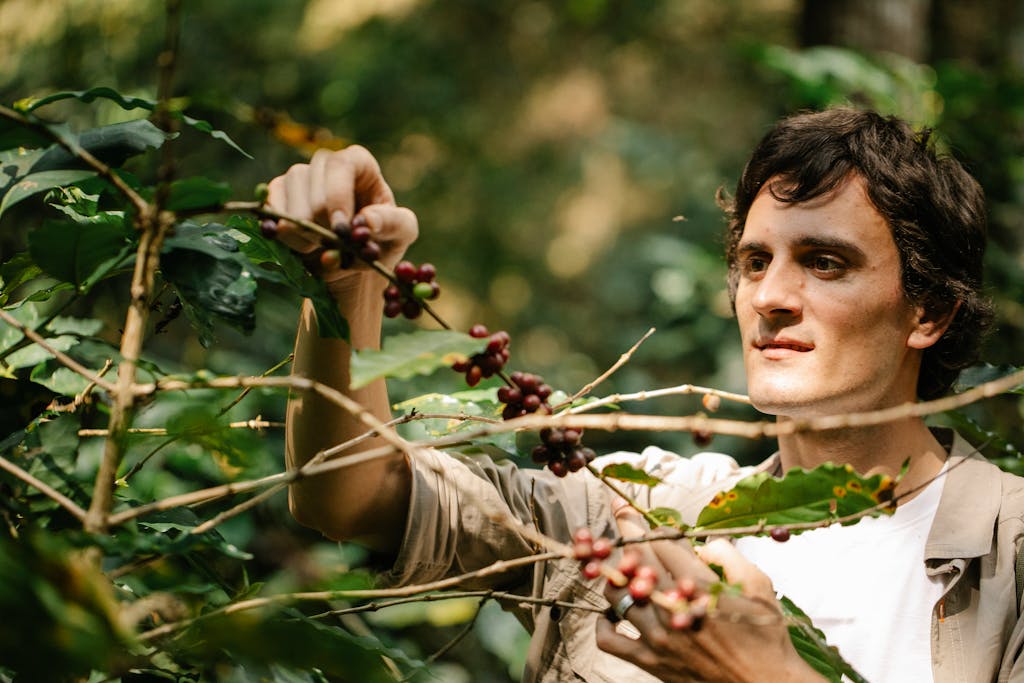
The future of predictive disease modeling in coffee agriculture is expected to evolve rapidly as artificial intelligence, climate science, biotechnology, and digital infrastructure continue advancing together. In 2026, predictive agriculture is transitioning from a relatively specialized research field into a foundational component of long-term agricultural resilience planning. As climate instability intensifies and disease pressure expands across global coffee-growing regions, the industry is increasingly investing in technologies capable of forecasting environmental threats earlier, optimizing resource use more precisely, and stabilizing production under increasingly volatile conditions.
Future predictive systems will likely become far more interconnected and autonomous than today’s models. Instead of relying on isolated datasets or regional forecasting tools, next-generation agricultural platforms may integrate satellite imaging, drone monitoring, climate simulations, genomic analysis, IoT sensor networks, and real-time supply chain data into unified intelligence systems capable of continuously adapting to changing conditions.
This shift is being accelerated by broader global instability affecting agriculture throughout 2025 and 2026. Shipping disruptions tied to geopolitical conflicts, rising fertilizer and energy costs, labor shortages, and increasing insurance volatility are all reinforcing the economic importance of agricultural forecasting and risk management. Predictive disease systems are therefore evolving beyond simple crop protection tools and becoming part of larger efforts to secure food systems, stabilize commodity markets, and strengthen long-term agricultural sustainability.
At the same time, future development will likely require balancing technological advancement with accessibility, biodiversity preservation, and environmental responsibility. Researchers and policymakers increasingly recognize that future resilience depends not only on technological sophistication but also on ensuring these systems remain adaptable, transparent, and available across diverse farming communities worldwide.
Global Coffee Disease Monitoring Networks
One of the most significant future developments may involve the creation of large-scale global disease monitoring networks capable of tracking agricultural threats across entire coffee-producing regions in real time. These systems would combine environmental data, satellite imagery, farm reports, weather forecasting, and AI analytics into centralized platforms that continuously monitor disease risk across international agricultural systems.
Global monitoring networks could dramatically improve early outbreak detection by identifying regional disease trends before they escalate into severe production crises. Governments, cooperatives, exporters, and agricultural organizations may eventually share standardized environmental and biological data through collaborative forecasting systems designed to improve collective agricultural resilience.
Climate change is increasing the importance of these networks because diseases and pests are no longer confined to historically predictable geographic zones. Rising temperatures are allowing pathogens to spread into new elevations and regions, making coordinated international monitoring increasingly necessary.
Several research institutions and agricultural organizations are already working toward more integrated global disease intelligence platforms, though major challenges involving infrastructure, funding, data standardization, and international coordination remain unresolved.
AI-Driven Agricultural Advisory Systems
Future predictive systems are likely to evolve into highly personalized agricultural advisory platforms capable of delivering real-time recommendations directly to farmers through mobile devices and cloud-based interfaces. These AI-driven systems may continuously analyze environmental conditions, disease forecasts, crop health data, and operational variables to generate customized management guidance for individual farms.
Rather than simply warning about elevated disease risk, future platforms may recommend highly specific actions such as targeted fungicide application timing, irrigation adjustments, harvest scheduling changes, soil management strategies, or crop diversification decisions based on current conditions and projected environmental trends.
Natural language AI systems may also improve accessibility by translating complex agricultural analytics into simplified recommendations understandable by producers without advanced technical training. This could become especially valuable for smallholder farmers operating in regions with limited access to agricultural extension services or specialized consulting support.
As machine learning systems continue improving, future agricultural advisory platforms may become increasingly proactive rather than reactive, helping farms optimize long-term resilience strategies under changing climate conditions rather than simply responding to immediate disease threats.
Integration With Blockchain and Traceability
Blockchain technology and digital traceability systems may eventually become integrated with predictive agriculture platforms to improve transparency, risk tracking, and supply chain coordination throughout the coffee industry. As consumers and specialty buyers increasingly demand detailed information regarding sourcing, sustainability, and environmental practices, predictive systems may provide valuable agricultural verification data tied directly to coffee production records.
Future traceability systems could potentially record disease forecasts, climate conditions, farm management decisions, and sustainability metrics alongside production and export data throughout the supply chain. This may improve risk visibility for exporters, roasters, insurers, and commodity buyers while strengthening transparency within specialty coffee markets.
Predictive analytics may also become integrated into financial systems such as crop insurance, agricultural lending, and commodity pricing models. Farms demonstrating strong resilience metrics and advanced monitoring systems may eventually gain access to improved financing terms or insurance structures due to reduced projected risk exposure.
However, integrating predictive agriculture with blockchain systems also raises concerns regarding data ownership, privacy, infrastructure accessibility, and technological inequality between highly digitized agricultural operations and smaller farming communities.
Real-Time Climate Adaptive Farming Models
One of the most ambitious future directions for predictive agriculture involves the development of fully adaptive farming systems capable of continuously responding to changing environmental conditions in real time. These systems would combine AI forecasting, automated monitoring, climate modeling, and precision agriculture into highly dynamic operational platforms.
Future climate-adaptive farms may automatically adjust irrigation schedules, disease prevention strategies, nutrient management, and labor allocation based on continuously updated environmental forecasts and sensor data. Machine learning systems may eventually simulate future climate scenarios and recommend long-term adaptation strategies tailored to specific geographic regions or farm conditions.
Researchers are also exploring how predictive systems could support broader agricultural transition planning as climate change alters the geographic suitability of coffee cultivation itself. Some producing regions may require major shifts in cultivar selection, elevation strategy, agroforestry integration, or crop diversification over the coming decades.
As environmental volatility continues increasing, future predictive systems will likely focus less on preserving historical agricultural models and more on helping farms continuously adapt to changing biological and climate realities.
In 2026, the future directions of predictive disease modeling reflect a broader transformation occurring across global agriculture. Coffee farming is increasingly becoming a technologically integrated, data-driven system where artificial intelligence, environmental forecasting, and adaptive resource management may determine the long-term resilience and sustainability of one of the world’s most economically and culturally important crops.
Conclusion

The future of coffee agriculture is becoming increasingly dependent on the industry’s ability to anticipate and adapt to environmental instability before biological threats escalate into widespread production crises. In 2026, predictive disease modeling has emerged as one of the most important technological strategies for protecting coffee farms against climate-driven disease expansion, pest migration, and agricultural uncertainty. What was once considered an experimental research area is rapidly evolving into a foundational component of modern agricultural resilience planning.
Climate change is fundamentally altering the biological conditions under which coffee is grown. Rising temperatures, irregular rainfall, prolonged droughts, and expanding fungal pressure are reshaping traditional farming assumptions across nearly every major producing region. At the same time, coffee producers are facing increased financial strain from rising fertilizer costs, transportation disruptions tied to geopolitical instability, labor shortages, and volatile commodity markets. These overlapping pressures have exposed how vulnerable global coffee systems remain to both environmental and economic disruption.
Predictive agriculture offers a path toward more adaptive and resilient farming systems by shifting agricultural management away from reactive intervention and toward early detection, forecasting, and precision decision-making. By combining environmental monitoring, epidemiological modeling, satellite imaging, sensor networks, and machine learning analytics, predictive systems allow farms to identify elevated disease risks before severe outbreaks occur. This proactive approach can reduce crop loss, improve resource efficiency, lower operational costs, and stabilize production across increasingly unpredictable growing conditions.
Why Predictive Agriculture Is Critical for Coffee’s Future
The long-term survival of the coffee industry may depend heavily on predictive agricultural systems because historical farming patterns are becoming less reliable under accelerating climate instability. Diseases such as coffee leaf rust, coffee berry disease, and expanding pest infestations are increasingly influenced by environmental conditions that fluctuate more rapidly and unpredictably than in previous decades.
Traditional disease management approaches based primarily on visual inspection and generalized treatment schedules are becoming increasingly difficult to sustain economically and environmentally. Predictive systems allow producers to respond earlier and more precisely, reducing unnecessary chemical use while improving outbreak control efficiency.
The economic importance of predictive agriculture continues growing as supply chains remain vulnerable to disruption throughout 2025 and 2026. Delays in global shipping routes, energy price volatility, inflationary pressure, and unstable agricultural input markets have increased the financial consequences of production instability. Farms, exporters, and roasters are therefore placing greater emphasis on forecasting tools capable of reducing uncertainty across the supply chain.
Predictive agriculture is increasingly viewed not only as a farming innovation, but as essential infrastructure for maintaining long-term coffee availability and market stability in an era of environmental disruption.
Combining Biology, Climate Science, and AI
One of the most transformative aspects of predictive agriculture is the integration of multiple scientific disciplines into unified agricultural intelligence systems. Modern predictive models combine plant pathology, climatology, ecology, epidemiology, geospatial analysis, and artificial intelligence to create highly adaptive forecasting platforms capable of responding dynamically to changing environmental conditions.
Biological systems are extraordinarily complex, and coffee diseases rarely emerge due to a single isolated factor. Temperature shifts, humidity patterns, soil conditions, pest interactions, plant stress, and microbial ecosystems all influence outbreak behavior simultaneously. Machine learning systems are particularly valuable because they can process massive quantities of interconnected environmental and biological data far more efficiently than traditional analytical methods alone.
Climate science also plays an increasingly central role because future agricultural conditions may differ substantially from historical patterns used to guide farming decisions for generations. AI-driven systems allow researchers and producers to model future risk scenarios, simulate environmental stress conditions, and evaluate how diseases may spread under projected climate trends.
The convergence of biology, climate science, and AI is creating a new generation of agricultural systems where continuous environmental monitoring and adaptive forecasting become central components of farm management and long-term resilience planning.
Long-Term Sustainability Through Data
The future sustainability of coffee production will increasingly depend on how effectively the industry uses data to guide environmental adaptation, resource management, and disease prevention strategies. Data-driven agriculture allows producers to optimize irrigation, reduce chemical overuse, monitor soil health, forecast disease pressure, and improve operational efficiency under increasingly difficult environmental conditions.
Sustainability in 2026 extends far beyond traditional certification frameworks or marketing claims. It now refers to the long-term survivability of agricultural ecosystems, farming communities, supply chains, and biological resources under accelerating climate stress. Predictive systems contribute to this sustainability by helping farms reduce waste, preserve biodiversity, and maintain productivity while minimizing environmental impact.
At the same time, long-term success will depend on ensuring these technologies remain accessible, adaptable, and ethically implemented across diverse farming communities worldwide. Infrastructure gaps, unequal access to digital tools, and data ownership concerns remain important challenges that must be addressed as predictive agriculture continues expanding globally.
Ultimately, predictive disease modeling represents more than a technological upgrade for coffee farming. It reflects a broader transformation in how agriculture responds to uncertainty itself. As environmental conditions continue evolving throughout the coming decades, the future resilience of coffee production may depend on the industry’s ability to combine scientific innovation, ecological understanding, and intelligent data systems into sustainable agricultural models capable of adapting continuously to a changing world.
We Build The World’s Most Affordable Coffee Roasters





Easy To Install
Our Coffee Roasters can be installed by anyone, with common household tools.

Easy To Use
Simply designed with new and home based coffee roasters in mind, requiring little to no roasting experience.

Easy To Maintain
Commercial quality. Quick and easy to clean and maintain.

Affordable
The absolute best value in the world for production per hour and roast results. Easy financing options available.