


Introduction
Coffee production is entering one of the most unstable periods in its modern history. Climate volatility, rising temperatures, unpredictable rainfall, expanding fungal diseases, and geopolitical instability are reshaping how coffee is grown, traded, and consumed worldwide. In 2025 and 2026, the industry experienced continued pressure from global shipping disruptions in the Red Sea, elevated fertilizer and fuel costs linked to ongoing international conflicts, and new tariff uncertainties affecting agricultural imports and exports. At the same time, coffee demand continues to rise globally, particularly in Asia and emerging specialty coffee markets, increasing pressure on already vulnerable supply chains. These overlapping challenges are forcing the coffee industry to reconsider the biological limitations of traditional coffee cultivation.
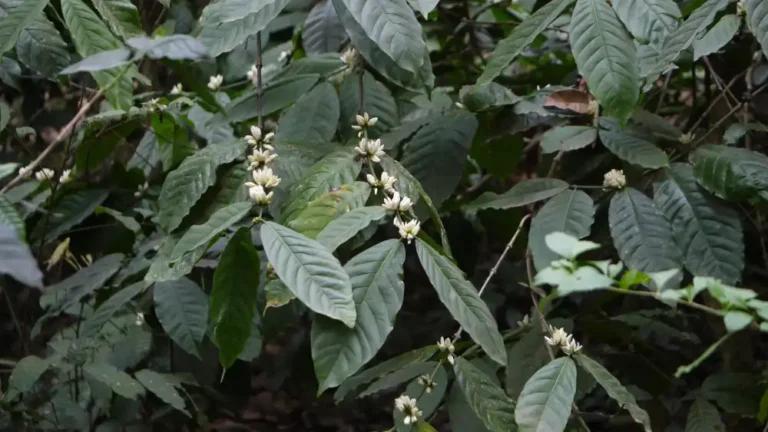
Arabica coffee, which accounts for the majority of specialty coffee production, remains especially vulnerable to environmental stress. Many of the most prized varieties were developed for flavor quality rather than resilience, leaving farms increasingly exposed to heat stress, drought, pest outbreaks, and destructive diseases such as coffee leaf rust. Outbreaks over the last decade have already devastated harvests across Latin America and Africa, while changing climate zones are reducing the amount of land suitable for premium coffee cultivation. In several producing regions, farmers are being forced to move production to higher elevations or abandon coffee farming entirely due to declining yields and rising operational costs.
Bio-engineering and advanced agricultural genetics are emerging as critical tools in addressing these threats. Modern coffee science is no longer limited to traditional breeding programs that require decades of field testing. Researchers are now applying genomic sequencing, molecular marker-assisted breeding, artificial intelligence modeling, and gene-editing technologies such as CRISPR to accelerate the development of more resilient coffee plants. These efforts aim to produce varieties capable of surviving extreme environmental conditions while maintaining the flavor profiles required by specialty coffee markets.
The challenge, however, extends far beyond simply increasing crop survival. Coffee exists at the intersection of agriculture, economics, culture, and consumer perception. A resilient coffee variety that sacrifices cup quality risks rejection from specialty buyers and consumers, while genetically modified crops continue to raise ethical, environmental, and regulatory concerns in many parts of the world. The future of coffee bio-engineering therefore depends on balancing scientific innovation with sustainability, biodiversity preservation, market acceptance, and the long-term economic realities facing coffee-producing communities.
As climate instability accelerates and global coffee markets become more volatile in 2026, resilient coffee genetics are transitioning from a research niche into a strategic necessity for the survival of the industry itself.
The Global Threats Facing Coffee Production
The global coffee industry is facing mounting systemic risks that extend far beyond ordinary agricultural volatility. Coffee production has historically depended on relatively stable climate patterns, predictable seasonal rainfall, and narrow geographic growing zones that support high-quality bean development. In 2026, many of these environmental assumptions are rapidly breaking down. Extreme weather events, rising global temperatures, shifting precipitation cycles, and expanding disease pressure are creating conditions that threaten both the economic stability of coffee farming and the long-term availability of specialty-grade coffee.
Several of the world’s largest coffee-producing regions have experienced significant disruptions over the past few years. Brazil continues to face recurring drought and heat stress events that impact flowering and cherry development, while Central American producers remain vulnerable to coffee leaf rust outbreaks intensified by changing humidity patterns. East African regions are increasingly dealing with irregular rainfall cycles and soil degradation, reducing productivity and increasing farming uncertainty. At the same time, geopolitical instability and international shipping disruptions — including continued logistical strain in the Red Sea shipping corridor and elevated fuel prices tied to global conflicts — have increased transportation costs across the coffee supply chain. These pressures have contributed to persistent green coffee price volatility throughout 2025 and 2026.
The economic consequences are severe for both producers and roasters. Farmers are facing rising costs for fertilizer, irrigation, labor, and pest management while simultaneously experiencing lower and less predictable yields. Specialty coffee roasters are dealing with inconsistent supply quality, longer procurement lead times, and higher raw material prices. In some producing regions, entire farming communities are reevaluating whether coffee cultivation remains financially sustainable under modern environmental conditions. The result is an industry increasingly aware that traditional agricultural approaches may no longer be sufficient to maintain long-term production stability.
Climate Change and Agricultural Instability
Climate change is fundamentally altering the biological environment required for coffee cultivation. Arabica coffee is highly sensitive to temperature fluctuations, and even small increases in average temperatures can significantly impact plant health, bean density, sugar development, and overall cup quality. Scientific projections continue to warn that a substantial percentage of current coffee-growing land may become unsuitable for Arabica production over the coming decades if warming trends continue at current rates.
Rising temperatures are also expanding the geographic range of pests and diseases that previously remained limited to certain elevations or climates. Coffee leaf rust, berry borers, and fungal pathogens are now appearing more aggressively in regions that historically experienced lower infection pressure. Warmer winters and changing rainfall patterns create favorable conditions for pathogen survival and transmission, increasing the frequency and intensity of outbreaks. These environmental changes place enormous pressure on farmers who must invest more heavily in chemical treatments, irrigation systems, and adaptive farming strategies simply to maintain existing production levels.
Agricultural instability is further intensified by increasingly unpredictable weather patterns. Farms that once relied on stable rainy and dry seasons are now experiencing delayed rainfall, sudden storms, prolonged droughts, and extreme heat waves. These disruptions interfere with flowering synchronization, cherry maturation, harvesting schedules, and post-harvest processing. Inconsistent growing conditions can dramatically alter flavor characteristics from one harvest to the next, creating additional challenges for specialty coffee buyers seeking consistency in quality and profile.
Beyond the direct agricultural effects, climate instability is contributing to migration pressures, labor shortages, and financial insecurity within coffee-producing communities. Younger generations in some farming regions are leaving agriculture entirely due to declining profitability and growing uncertainty. This creates a secondary long-term risk for the coffee industry: the potential erosion of generational farming knowledge and skilled agricultural labor.
Why Genetic Innovation Is Becoming Necessary
The scale and complexity of these threats are pushing the coffee industry toward a new era of agricultural science centered on genetic resilience. Traditional breeding methods have historically improved coffee varieties through selective crossbreeding over long development cycles, but modern environmental challenges are evolving faster than many conventional agricultural programs can respond. As climate stress intensifies and disease outbreaks become more aggressive, researchers are increasingly turning to advanced genetic technologies to accelerate adaptation.
Genetic innovation offers the potential to develop coffee varieties capable of tolerating higher temperatures, resisting fungal infections, surviving drought conditions, and maintaining productivity under increasingly unstable environmental conditions. Modern genomic sequencing allows scientists to identify specific genetic traits associated with resilience and target them more efficiently during breeding programs. Artificial intelligence and machine learning are also being integrated into agricultural genetics research, enabling researchers to analyze massive biological datasets and identify promising trait combinations faster than traditional methods alone.
In 2026, gene-editing technologies such as CRISPR continue to attract growing attention within agricultural research communities because they may allow precise modification of coffee plant genetics without introducing foreign species DNA in the same manner as older GMO techniques. This distinction could influence future regulatory frameworks and consumer acceptance, particularly within specialty coffee markets where transparency and origin authenticity remain highly valued.
The growing urgency surrounding genetic innovation is not solely about preserving production volume. The specialty coffee industry depends heavily on flavor complexity, regional identity, and quality differentiation. Future resilient coffee varieties must therefore achieve multiple objectives simultaneously: environmental survival, economic sustainability, disease resistance, and preservation of desirable sensory characteristics. Achieving this balance represents one of the most important scientific and commercial challenges facing the global coffee industry in 2026.
Let Coffee Crafters Help You Become A Coffee Roaster

Coffee Genetics and Plant Science
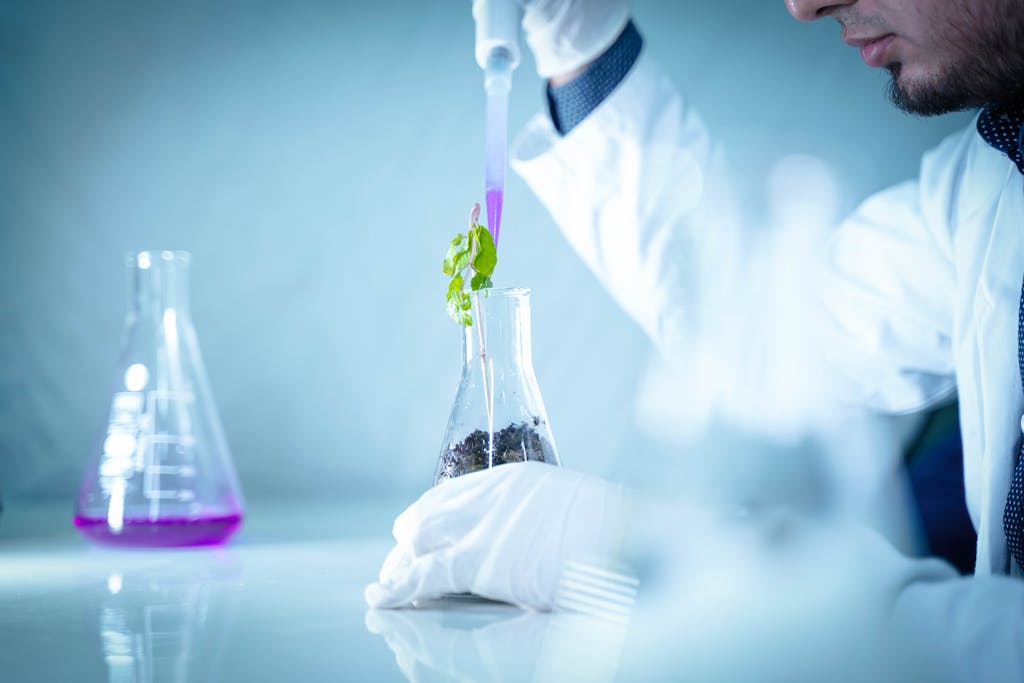
Coffee genetics has become one of the most strategically important scientific fields within modern agriculture as the industry confronts rising environmental instability, disease pressure, and long-term sustainability concerns. Advances in plant genomics, molecular biology, and computational analysis are transforming how researchers understand coffee plants at the genetic level. What was once largely dependent on traditional field observation and selective breeding is now increasingly guided by genomic sequencing, predictive modeling, and precision agricultural science.
The coffee plant itself is biologically complex. The two commercially dominant species — Arabica and Robusta — each possess unique genetic structures that influence flavor, productivity, environmental tolerance, and disease resistance. Arabica coffee, prized for its sweetness, acidity, and aromatic complexity, contains a relatively narrow genetic base due to centuries of cultivation and selective breeding. This limited diversity has contributed to the species’ vulnerability to environmental stress and disease outbreaks. Robusta, by contrast, is genetically more resilient, with stronger resistance to heat, pests, and fluctuating growing conditions, though it is often considered less refined in cup quality compared to high-grade Arabica.
In recent years, researchers have expanded efforts to preserve and study wild coffee species that may contain critical genetic traits for future agricultural resilience. Ethiopia, recognized as the genetic birthplace of Arabica coffee, remains one of the world’s most important reservoirs of coffee biodiversity. Wild coffee forests contain untapped genetic material that could provide resistance to drought, extreme temperatures, fungal pathogens, and soil degradation. However, deforestation and climate change are threatening many of these ecosystems before their genetic potential can be fully studied and integrated into breeding programs.
Modern coffee genetics research increasingly relies on genomic sequencing technologies capable of mapping the DNA structure of coffee plants with extraordinary precision. These tools allow scientists to identify genes associated with specific traits such as disease resistance, yield stability, caffeine production, drought tolerance, and bean development characteristics. Marker-assisted breeding programs can then accelerate the process of developing improved varieties by identifying desirable genetic combinations early in the plant development cycle rather than waiting years for field results.
Artificial intelligence is also beginning to reshape plant science research within the coffee sector. Machine learning systems can analyze large genomic datasets, environmental conditions, and historical agricultural outcomes to identify patterns that human researchers may overlook. These computational tools help prioritize breeding targets and model how certain genetic traits may perform under future climate scenarios. In 2026, agricultural AI platforms are becoming increasingly important as researchers attempt to accelerate adaptation timelines in response to rapidly changing growing conditions.
Understanding Coffee Plant Biology
Coffee plants are perennial tropical shrubs that require highly specific environmental conditions to produce commercially viable beans. Arabica coffee grows best within narrow temperature ranges, moderate rainfall conditions, and higher elevations where slower cherry maturation contributes to flavor complexity. The biological sensitivity that makes Arabica desirable for specialty coffee also contributes to its fragility under climate stress.
The coffee bean itself is technically a seed contained within the coffee cherry. Bean development is heavily influenced by environmental conditions during flowering, fruit maturation, and post-harvest processing. Small variations in temperature, water availability, or nutrient access can significantly alter bean density, sugar accumulation, acidity, and aromatic compound formation. These biological variables directly affect cup quality, making plant genetics deeply interconnected with roasting performance and sensory outcomes.
Coffee plants also possess complex interactions with soil microbiomes, pollinators, fungal networks, and surrounding ecosystems. Modern plant science increasingly recognizes that resilience is not solely determined by the plant’s isolated genetics but also by its ecological relationships. This has encouraged broader research into regenerative farming systems and biologically integrated agricultural models that support long-term plant health.
Arabica Versus Robusta Genetics
Arabica and Robusta differ substantially at the genetic level, and these differences shape nearly every aspect of commercial coffee production. Arabica coffee contains more chromosomes and is the result of a natural hybridization event between ancestral coffee species thousands of years ago. This hybrid origin contributes to Arabica’s complex flavor profile but also makes its genetic structure comparatively fragile.
Robusta coffee evolved with stronger natural defenses against environmental stressors. It tolerates higher temperatures, lower elevations, and more variable growing conditions than Arabica. Robusta plants also generally produce higher yields and possess greater resistance to common diseases and pests. As climate pressures intensify in 2026, some agricultural researchers and commercial producers are reconsidering the role of Robusta and hybrid varieties within specialty markets, particularly as improvements in processing and cultivation techniques continue to elevate Robusta cup quality.
Hybridization programs are increasingly attempting to combine the flavor characteristics of Arabica with the resilience traits of Robusta and other wild species. These efforts aim to create coffee plants capable of surviving future climate conditions without sacrificing the sensory qualities demanded by premium consumers and specialty roasters.
The Importance of Biodiversity Preservation
Preserving coffee biodiversity is becoming a central priority within agricultural science because genetic diversity functions as a biological insurance policy against future environmental threats. Monoculture farming systems, while often efficient in the short term, reduce the genetic variability available to adapt to disease outbreaks and climate shifts. The global coffee industry’s heavy reliance on a relatively small number of commercial varieties has increased systemic vulnerability across producing regions.
Genetic preservation initiatives now involve international collaborations between research institutions, governments, seed banks, and private agricultural organizations. Scientists are collecting and cataloging wild coffee species before habitat destruction eliminates potentially valuable genetic resources. These efforts are especially urgent in tropical regions where climate change, urban expansion, and deforestation continue to threaten natural coffee ecosystems.
In 2026, biodiversity preservation is no longer viewed solely as an environmental concern. It is increasingly recognized as a direct economic and strategic necessity for the future stability of the global coffee industry.
Disease Resistance Engineering
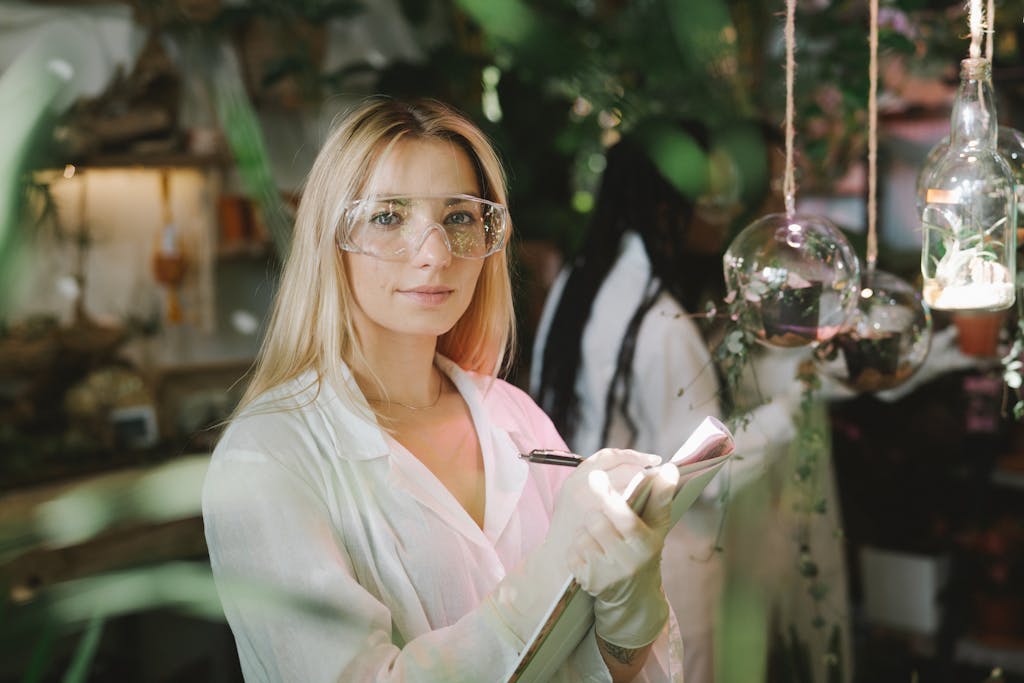
Disease resistance engineering has become one of the most urgent priorities in modern coffee agriculture as fungal outbreaks, pest expansion, and climate instability continue to threaten global production. Historically, many coffee-growing regions relied on environmental stability and geographic isolation to limit disease pressure. In 2026, those protections are weakening. Rising temperatures, changing rainfall patterns, and globalized agricultural trade are accelerating the spread of pathogens and insects into previously stable growing regions, forcing researchers to develop more resilient coffee plants capable of surviving under increasingly hostile conditions.
Coffee leaf rust remains one of the most destructive diseases facing the industry. The fungal pathogen, Hemileia vastatrix, attacks coffee leaves, reducing the plant’s ability to perform photosynthesis and dramatically lowering yields. Major outbreaks across Latin America over the last decade caused billions of dollars in economic damage and displaced large numbers of agricultural workers. While fungicides and farm management practices can reduce infection severity, they also increase operational costs and often become less effective as environmental conditions continue to favor pathogen growth. Climate change has intensified these risks by creating warmer and more humid environments where fungal diseases can spread more aggressively.
Disease resistance engineering focuses on identifying and strengthening the genetic traits that allow coffee plants to survive these biological threats. Traditional breeding programs have long attempted to cross resistant varieties with high-quality Arabica cultivars, but modern genetic science is dramatically accelerating the process. Researchers now use genomic sequencing and molecular marker analysis to identify specific resistance genes linked to fungal immunity, pest tolerance, and environmental adaptation. This allows scientists to screen seedlings at the genetic level instead of waiting years for full field performance data.
One of the largest challenges in disease resistance engineering is maintaining specialty coffee quality while increasing plant resilience. Many naturally resistant coffee varieties historically produced lower cup quality, harsher flavor profiles, or reduced sweetness compared to delicate specialty Arabica cultivars. As a result, modern breeding programs aim to preserve sensory characteristics while integrating resistance traits from Robusta and wild coffee species. The balance between resilience and flavor has become one of the defining scientific problems within coffee genetics research.
Combating Coffee Leaf Rust
Coffee leaf rust continues to serve as the primary driving force behind many bio-engineering initiatives in the coffee sector. The disease spreads rapidly through airborne spores and thrives in warm, humid environments that are becoming increasingly common due to climate instability. Outbreaks can devastate farms within a single growing season, particularly when producers lack financial resources for aggressive treatment programs.
Researchers are developing resistant varieties by identifying genes associated with fungal defense mechanisms and integrating them into commercial breeding lines. Several hybrid varieties already demonstrate improved resistance while maintaining acceptable cup quality, though ongoing refinement remains necessary for premium specialty applications. Modern research programs increasingly use AI-assisted genomic analysis to accelerate the identification of favorable resistance combinations and predict long-term field performance under future climate scenarios.
In addition to genetic resistance, scientists are also studying how coffee plants naturally activate immune responses against fungal invasion. Understanding these biological defense pathways may eventually allow researchers to strengthen the plant’s internal resistance systems through targeted genetic modifications or advanced breeding techniques.
Resistance to Pests and Pathogens
Beyond fungal diseases, coffee agriculture faces mounting pressure from insects and microbial pathogens that are expanding into new regions due to warming climates. The coffee berry borer, one of the industry’s most damaging insect pests, has become increasingly difficult to control as temperatures rise in higher elevation farming regions. Nematodes, bacterial infections, and root diseases are also creating additional threats to farm productivity and soil health.
Disease resistance engineering increasingly focuses on multi-threat resilience rather than isolated disease protection. Researchers aim to develop coffee varieties capable of resisting multiple environmental stressors simultaneously, including insects, fungi, drought, and heat stress. This broader approach reflects the reality that future coffee farms will likely experience overlapping biological challenges rather than single isolated outbreaks.
Biotechnology firms and agricultural institutions are also exploring microbiome engineering — the manipulation of beneficial microbial communities surrounding coffee plants — as a complementary strategy for improving disease resistance. Healthier soil ecosystems and microbial diversity may help coffee plants naturally suppress harmful pathogens while improving nutrient absorption and overall resilience.
Improving Plant Recovery and Longevity
Resilience is not solely about preventing infection. Modern agricultural genetics also focuses on improving how quickly coffee plants recover from environmental and biological stress. Climate-driven instability increasingly exposes farms to cycles of drought, heat stress, disease outbreaks, and nutrient depletion that weaken plants over time. Engineering coffee varieties with stronger recovery capabilities may help stabilize yields even when adverse conditions cannot be fully avoided.
Researchers are studying traits associated with root system development, water retention efficiency, leaf regeneration, and cellular stress response. Stronger recovery mechanisms may allow coffee plants to maintain productivity despite repeated environmental disruptions. This becomes especially important as extreme weather events become more frequent in major producing regions throughout 2025 and 2026.
Longer-living, more resilient coffee plants could also reduce long-term operational costs for farmers by decreasing the need for frequent replanting and lowering dependence on chemical disease treatments. These improvements may become critical for smallholder producers operating under increasingly narrow financial margins due to rising labor, fertilizer, and transportation costs.
Genetic Strategies for Sustainable Production
The long-term goal of disease resistance engineering extends beyond simple productivity increases. Researchers increasingly frame genetic resilience as a sustainability issue tied directly to the survival of coffee-growing ecosystems and farming communities. More resilient plants may reduce dependence on fungicides, pesticides, irrigation systems, and environmentally intensive agricultural interventions.
This is particularly important as fertilizer prices and agricultural input costs remain elevated in 2026 due to ongoing geopolitical instability, energy market volatility, and global supply chain disruptions. Sustainable disease resistance could help stabilize production costs while reducing environmental pressure on already vulnerable farming regions.
At the same time, concerns remain regarding overreliance on genetically uniform crops. Agricultural history has repeatedly demonstrated that excessive monoculture can create catastrophic systemic vulnerability when pathogens evolve around dominant resistance traits. For this reason, many modern coffee genetics programs emphasize maintaining biodiversity and rotating resistant cultivars rather than pursuing a single universal “solution” variety.
Disease resistance engineering is therefore evolving into a broader systems-based approach that combines genetics, ecology, climate science, and sustainable agriculture to secure the future of coffee production in an increasingly unstable world.
We Build The World’s Most Affordable Coffee Roasters
Climate Resilience Research
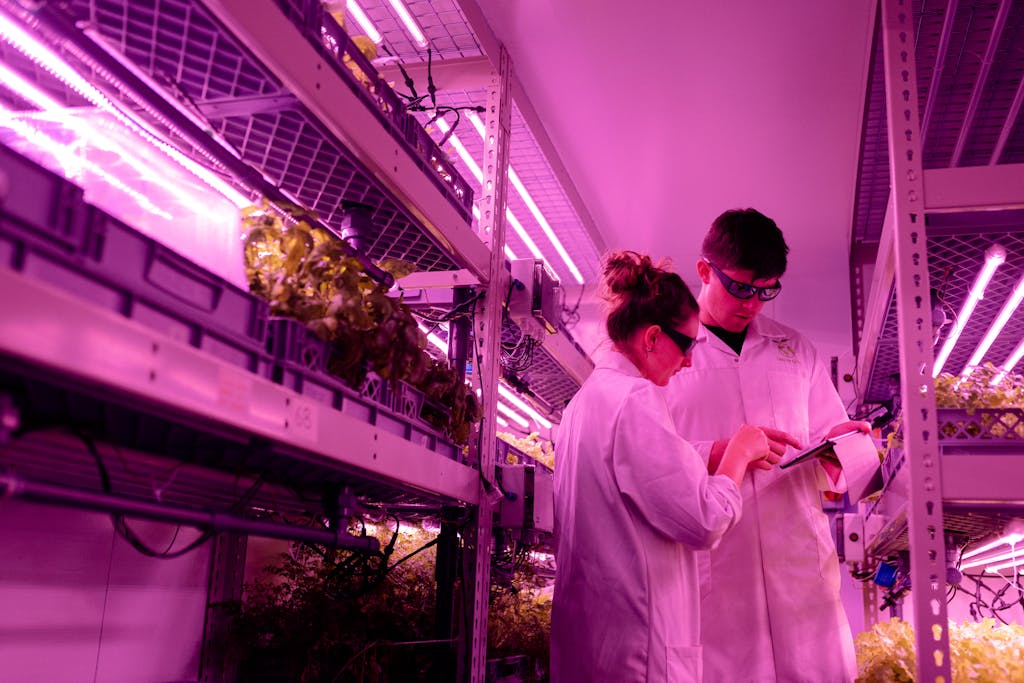
Climate resilience research has become one of the most critical areas of investigation within the global coffee industry as environmental instability increasingly threatens long-term agricultural viability. In 2026, researchers are no longer treating climate adaptation as a distant future concern. Rising temperatures, irregular rainfall, prolonged droughts, soil degradation, and increasingly frequent extreme weather events are already reshaping coffee-growing regions across Latin America, Africa, and Southeast Asia. Scientific focus has therefore shifted toward developing coffee plants and farming systems capable of maintaining productivity and quality under rapidly changing environmental conditions.
Arabica coffee remains especially vulnerable because it evolved within relatively narrow environmental parameters. Small increases in average temperatures can disrupt flowering cycles, accelerate cherry maturation, reduce bean density, and alter the chemical composition responsible for flavor complexity. These biological sensitivities directly affect both crop yields and specialty coffee quality. Some producing regions are already experiencing measurable declines in suitable cultivation land, particularly at lower elevations where excessive heat and pest pressure are becoming more severe.
Climate resilience research now integrates genetics, agronomy, ecology, atmospheric science, and artificial intelligence into highly interdisciplinary agricultural programs. Researchers are studying how coffee plants respond at the molecular and physiological level to environmental stress while simultaneously analyzing large-scale climate projections and regional agricultural models. The objective is no longer simply maximizing production; it is building agricultural systems capable of surviving long-term instability while preserving economic sustainability for farmers and maintaining specialty-grade coffee quality.
This research has gained additional urgency due to ongoing geopolitical and economic pressures affecting global agriculture in 2025 and 2026. Rising fertilizer costs, shipping instability linked to conflicts affecting international trade routes, and increased insurance and energy expenses are narrowing operational margins for coffee producers worldwide. Climate-resilient crops are increasingly viewed not only as environmental safeguards but also as financial stabilization tools for an industry facing mounting systemic risks.
Heat Tolerance Development
One of the primary goals of climate resilience research is improving coffee plants’ ability to tolerate higher temperatures without suffering major declines in productivity or flavor quality. Arabica coffee traditionally performs best within relatively cool tropical highland environments, but rising global temperatures are steadily reducing the amount of land suitable for traditional cultivation.
Researchers are identifying genetic traits associated with cellular heat tolerance, water-use efficiency, and stress-response mechanisms. Some wild coffee species naturally possess biological characteristics that allow survival in hotter environments, making them valuable sources of genetic material for future breeding programs. Scientists are increasingly using genomic sequencing and AI-assisted modeling to identify how these traits can be incorporated into commercial coffee varieties more efficiently.
Heat tolerance research also focuses on how elevated temperatures affect bean chemistry and sensory outcomes. Faster cherry maturation caused by excessive heat can reduce sugar accumulation and alter acidity balance, leading to flatter and less complex flavor profiles. Climate resilience programs therefore attempt to preserve not only plant survival but also the sensory qualities required by specialty coffee markets.
Drought Resistance Mechanisms
Water scarcity has become an escalating concern in many coffee-producing regions as rainfall patterns grow increasingly unpredictable. Extended drought periods reduce flowering consistency, weaken plant health, and increase susceptibility to disease and pest infestations. In some regions, farms are now experiencing alternating cycles of severe drought followed by intense rainfall events that create additional soil erosion and infrastructure challenges.
Drought resistance research focuses on improving root development, water retention efficiency, stomatal regulation, and overall plant metabolism under low-water conditions. Scientists are studying how certain coffee species and wild relatives naturally conserve water and maintain physiological stability during environmental stress. These traits may help future coffee plants survive prolonged dry periods without catastrophic reductions in yield.
Researchers are also combining genetic resilience with precision agriculture systems such as soil moisture sensors, satellite monitoring, and AI-driven irrigation optimization. These integrated approaches aim to reduce water waste while maintaining stable production in increasingly water-constrained agricultural environments.
Soil Adaptation Improvements
Healthy soil systems play a central role in climate resilience because soil structure directly influences nutrient availability, water retention, root development, and microbial ecosystem stability. Many coffee-growing regions are experiencing declining soil health due to erosion, deforestation, intensive farming practices, and increasingly severe weather patterns.
Climate resilience research increasingly emphasizes the relationship between plant genetics and soil ecosystems. Scientists are studying how certain coffee varieties interact with beneficial microbial communities and fungal networks that improve nutrient absorption and disease resistance. This broader ecological perspective reflects a growing understanding that agricultural resilience depends on both plant biology and surrounding environmental systems.
Research programs are also exploring regenerative farming practices alongside genetic adaptation. Agroforestry systems, shade-grown cultivation, compost integration, and reduced tillage practices are being evaluated as complementary methods for improving soil resilience and stabilizing long-term productivity. In 2026, many sustainability-focused coffee programs now combine biological research with ecosystem restoration strategies rather than treating plant genetics in isolation.
Surviving Extreme Weather Conditions
Extreme weather events are becoming increasingly disruptive to coffee production worldwide. Hurricanes, flooding, heat waves, unexpected frosts, and violent storms can destroy harvests, damage infrastructure, and destabilize entire farming regions within a single season. Climate resilience research therefore focuses not only on gradual environmental shifts but also on the ability of coffee systems to withstand sudden catastrophic events.
Researchers are studying plant structural traits associated with storm resistance, recovery speed, and physical durability. Certain varieties demonstrate stronger branch structures, faster regenerative growth, or improved resistance to root damage during flooding events. These characteristics may become increasingly important as climate volatility intensifies.
Advanced predictive modeling is also becoming central to resilience planning. AI-driven agricultural forecasting systems now integrate weather projections, soil data, disease models, and crop genetics to help farmers anticipate environmental threats before they occur. These technologies are rapidly evolving into decision-support systems that may eventually guide planting strategies, harvest timing, irrigation management, and disease prevention at both regional and farm-specific levels.
As climate instability accelerates in 2026, resilience research is no longer focused solely on preserving coffee production under ideal conditions. The objective has shifted toward building agricultural systems capable of surviving uncertainty, volatility, and long-term environmental disruption while maintaining the economic and sensory foundations of the global coffee industry.
Modern Bio-Engineering Techniques

Modern bio-engineering techniques are rapidly transforming coffee agriculture from a largely traditional breeding-based system into a highly data-driven scientific discipline. In 2026, advances in genomics, computational biology, artificial intelligence, and molecular engineering are allowing researchers to accelerate the development of coffee plants capable of surviving the increasingly unstable environmental conditions affecting global production. These technologies are being deployed not only to improve disease resistance and climate tolerance but also to preserve the sensory qualities that define specialty coffee markets.
Historically, developing new coffee varieties was an extremely slow process. Coffee plants require several years to mature before meaningful yield and quality evaluations can be performed, making conventional breeding cycles lengthy and resource intensive. Researchers often needed decades to fully evaluate whether a new cultivar could successfully balance flavor, productivity, and environmental resilience. Modern bio-engineering techniques dramatically compress these timelines by enabling scientists to analyze genetic traits at the molecular level before full plant maturity.
The growing urgency surrounding these technologies reflects broader instability across global agriculture. Climate-driven disease outbreaks, rising fertilizer costs, labor shortages, and ongoing geopolitical disruptions affecting agricultural supply chains are increasing pressure on producers to adopt more resilient farming systems. Coffee research institutions are therefore accelerating efforts to integrate advanced biotechnology into commercial agricultural development while attempting to preserve biodiversity and avoid excessive dependence on genetically uniform crops.
Modern coffee bio-engineering does not rely on a single technology. Instead, it combines multiple scientific approaches, including genomic sequencing, selective breeding, molecular marker analysis, gene editing, computational modeling, and AI-assisted agricultural forecasting. Together, these systems are reshaping how the industry approaches plant adaptation and long-term sustainability.
Selective Breeding Programs
Selective breeding remains one of the foundational tools in coffee improvement programs, but modern breeding strategies are far more sophisticated than traditional cross-pollination methods used throughout much of agricultural history. Researchers now use detailed genetic data to guide breeding decisions with far greater precision, allowing them to identify desirable traits earlier and reduce the time required to produce viable cultivars.
Breeding programs often focus on combining the flavor characteristics of premium Arabica varieties with the resilience traits found in Robusta and wild coffee species. Desired traits may include resistance to coffee leaf rust, tolerance to higher temperatures, improved drought survival, pest resistance, and stronger productivity under environmental stress. Researchers must simultaneously preserve sweetness, acidity, aroma complexity, and bean structure required by specialty coffee markets.
Several international coffee research institutions are now collaborating across borders to accelerate breeding initiatives. Climate instability affecting multiple producing regions has increased pressure for global coordination, particularly as some traditional coffee-growing areas experience declining suitability for high-quality Arabica cultivation.
Genomic Sequencing in Coffee Research
Genomic sequencing has become one of the most important technological advances in modern coffee science. By mapping the DNA structure of coffee plants, researchers can identify genes associated with specific biological traits and better understand how plants respond to environmental stress, disease exposure, and agricultural conditions.
Coffee genome analysis enables researchers to study thousands of genetic markers simultaneously, dramatically improving breeding efficiency. Scientists can now identify seedlings likely to possess favorable characteristics before the plants fully mature, reducing years of uncertainty during traditional breeding cycles. This capability is especially important as climate conditions continue changing faster than conventional agricultural development timelines can comfortably accommodate.
Large genomic databases are also allowing researchers to compare commercial coffee varieties with wild species and historical cultivars that may contain valuable resilience traits lost during centuries of selective cultivation. Ethiopia’s wild coffee forests remain particularly important because they contain significant untapped genetic diversity that could prove critical for future agricultural adaptation.
Artificial intelligence is increasingly integrated into genomic analysis workflows. Machine learning systems help researchers identify complex genetic interactions that would be difficult to detect through conventional statistical methods alone. In 2026, AI-assisted genomic research is becoming a major driver of accelerated agricultural innovation across the coffee sector.
CRISPR and Gene Editing Technologies
Gene editing technologies such as CRISPR have generated growing interest within agricultural research because they may allow highly targeted genetic modifications without introducing foreign DNA from unrelated species. Unlike older genetically modified organism (GMO) approaches that often inserted external genes into crops, CRISPR can directly edit existing genetic sequences already present within the plant itself.
For coffee agriculture, gene editing offers the possibility of improving disease resistance, drought tolerance, heat adaptation, and productivity with greater precision than traditional breeding methods. Researchers are studying how specific genes influence fungal resistance, water regulation, root development, and environmental stress response mechanisms. Precise edits to these systems could significantly accelerate the development of resilient coffee cultivars.
Despite its scientific promise, gene editing remains controversial in some agricultural markets. Consumer perception, regulatory uncertainty, export restrictions, and ethical concerns continue to influence how aggressively the coffee industry pursues these technologies. Specialty coffee markets in particular often emphasize natural cultivation methods, origin transparency, and biodiversity preservation, creating tension between technological innovation and consumer expectations.
Regulatory frameworks also vary significantly across countries. Some governments classify certain gene-edited crops differently from traditional GMOs if no foreign DNA is introduced, while others maintain stricter oversight. These policy differences may shape how quickly gene-edited coffee varieties enter commercial production over the coming years.
Molecular Marker-Assisted Breeding
Marker-assisted breeding combines traditional plant breeding with molecular genetics to improve efficiency and accuracy during cultivar development. Researchers identify specific DNA markers associated with desirable traits and use them to screen plants during early growth stages. This allows scientists to predict which seedlings are most likely to carry favorable genetic combinations before years of field testing are completed.
In coffee agriculture, marker-assisted breeding is especially valuable because coffee plants mature relatively slowly. Accelerating early-stage selection can significantly reduce development timelines while improving breeding precision. Researchers can more efficiently combine traits such as disease resistance, environmental resilience, productivity, and cup quality into commercially viable varieties.
This approach also helps preserve genetic diversity by allowing researchers to work with broader populations of plants rather than repeatedly narrowing cultivation toward a small number of dominant commercial varieties. Maintaining biodiversity remains critically important as the industry attempts to avoid systemic vulnerabilities associated with monoculture farming.
As climate instability intensifies and global coffee markets face continued supply uncertainty in 2026, modern bio-engineering techniques are increasingly viewed as essential components of long-term agricultural adaptation. The challenge for the industry will be balancing scientific innovation with ecological sustainability, consumer trust, economic accessibility, and preservation of the flavor characteristics that define coffee culture worldwide.
Let Coffee Crafters Help You Become A Coffee Roaster

Quality Preservation Challenges
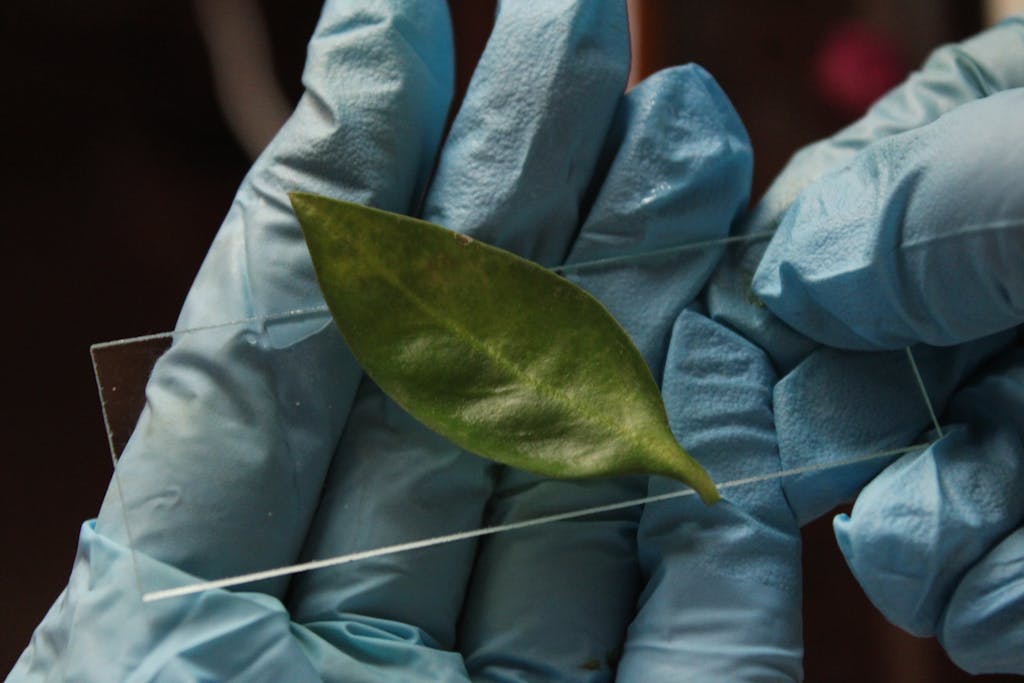
One of the greatest obstacles facing modern coffee bio-engineering is preserving cup quality while improving agricultural resilience. Although disease resistance, climate tolerance, and productivity are increasingly necessary for the survival of coffee farming, specialty coffee markets remain heavily dependent on flavor complexity, aroma, sweetness, acidity balance, and regional character. A coffee plant that survives extreme environmental conditions but produces inferior sensory results may still fail commercially, particularly within premium specialty sectors where quality differentiation drives much of the industry’s economic value.
This tension between resilience and flavor has become more pronounced in 2025 and 2026 as climate instability accelerates and green coffee prices remain volatile due to supply chain disruptions, transportation bottlenecks, geopolitical conflicts, and agricultural uncertainty. Producers and researchers face growing pressure to develop varieties capable of maintaining consistent quality despite increasingly difficult environmental conditions. However, many of the traits associated with environmental durability historically came from species or cultivars considered less desirable in specialty coffee markets.
Arabica coffee remains the benchmark for premium flavor, but it is also one of the most biologically fragile commercially cultivated coffee species. Robusta and several wild coffee species often demonstrate superior resistance to heat, pests, and disease, yet they traditionally produce harsher flavor profiles with higher bitterness, reduced sweetness, and less aromatic complexity. Modern breeding programs therefore attempt to combine the resilience traits of these hardier plants with the sensory qualities associated with high-end Arabica cultivars. Achieving this balance consistently remains one of the most technically difficult challenges in agricultural genetics.
Quality preservation also extends beyond genetics alone. Environmental conditions directly influence bean chemistry and physical structure throughout plant development. Rising temperatures, irregular rainfall, drought stress, and soil degradation can alter sugar accumulation, lipid development, acidity formation, and aromatic precursor compounds inside the coffee cherry. Even genetically superior coffee varieties may produce inconsistent flavor outcomes when exposed to unstable growing conditions. This creates a layered problem where both plant genetics and environmental management must evolve together.
Maintaining Flavor Characteristics
Flavor preservation remains central to virtually every modern coffee breeding initiative because specialty coffee consumers increasingly expect highly differentiated sensory experiences tied to origin, processing method, and terroir. Floral Ethiopian coffees, high-acidity Kenyan profiles, and chocolate-forward Central American coffees all derive part of their market identity from specific genetic and environmental interactions developed over generations.
Researchers therefore attempt to preserve key sensory attributes during resilience-focused breeding programs. This requires extensive sensory testing across multiple harvest cycles, elevations, soil conditions, and climate scenarios. Breeding programs no longer evaluate plants solely based on survival or yield performance; they must also undergo professional cupping analysis to determine whether desirable flavor characteristics remain intact after genetic modifications or hybridization.
The challenge becomes especially difficult because flavor itself is biologically complex. Hundreds of volatile compounds contribute to coffee aroma and taste perception, and small genetic changes can influence how these compounds develop during cherry maturation and roasting. Some resilient hybrids may initially perform well agronomically but later reveal undesirable cup characteristics such as excessive bitterness, muted acidity, or reduced sweetness.
Balancing Resilience With Cup Quality
Modern coffee research increasingly focuses on achieving multi-variable optimization rather than maximizing isolated traits. A future coffee variety must ideally survive disease pressure, tolerate heat and drought, maintain stable yields, and still produce premium specialty-grade flavor. These competing objectives often create trade-offs that complicate breeding efforts.
Some disease-resistant cultivars developed during previous agricultural crises succeeded biologically but failed commercially because buyers rejected their flavor profiles. This historical experience continues to shape modern breeding priorities. Researchers recognize that long-term adoption depends on economic acceptance throughout the supply chain, including producers, exporters, roasters, and consumers.
Climate change further complicates quality preservation because environmental stress directly affects flavor development even in genetically stable plants. Elevated nighttime temperatures, irregular rainfall during cherry maturation, and prolonged drought can reduce bean density and alter chemical composition. This means resilience research must increasingly account for both genetic adaptation and broader farm management systems capable of stabilizing growing environments.
In 2026, some agricultural researchers are exploring whether advanced AI-driven modeling can help predict sensory outcomes earlier during breeding cycles. By combining genomic data, environmental conditions, and historical cupping results, machine learning systems may eventually help researchers identify promising varieties before years of expensive field testing are completed.
Specialty Coffee Concerns About Genetic Modification
The specialty coffee industry has historically placed strong emphasis on authenticity, traceability, biodiversity, and traditional cultivation methods. As a result, genetic engineering and bio-technology often generate skepticism among consumers, roasters, and producers who fear excessive industrialization of coffee agriculture.
Concerns surrounding genetically modified coffee extend beyond scientific safety debates. Many industry participants worry that aggressive bio-engineering could reduce biodiversity, increase dependence on proprietary seed systems, or weaken the regional uniqueness that defines specialty coffee culture. There is also concern that large agricultural corporations could gain disproportionate control over future coffee genetics through patents and intellectual property restrictions.
Some producers fear that genetically engineered coffee may face market rejection in regions where consumers strongly prefer “natural” agricultural products. Export regulations and certification systems may also create additional complications if countries adopt differing standards regarding gene-edited or genetically modified crops.
These concerns have encouraged many research institutions to emphasize biodiversity preservation and responsible breeding strategies rather than pursuing purely industrial agricultural models. Transparency and consumer education are becoming increasingly important as new technologies enter coffee agriculture.
Consumer Perception and Market Acceptance
Consumer perception may ultimately determine how rapidly advanced bio-engineered coffee varieties achieve widespread adoption. While some consumers prioritize sustainability and climate adaptation, others remain cautious about genetic intervention in food production systems. The specialty coffee market in particular often values narratives tied to tradition, craftsmanship, and regional authenticity, creating a cultural tension between technological innovation and artisanal identity.
At the same time, rising coffee prices and growing awareness of climate threats are beginning to shift parts of the conversation. In 2025 and 2026, many consumers have become more aware of supply chain fragility due to persistent price volatility, climate-related shortages, and shipping disruptions linked to geopolitical instability. This growing awareness may increase acceptance of agricultural technologies designed to stabilize production and preserve long-term coffee availability.
Transparency will likely play a central role in market acceptance moving forward. Consumers increasingly demand detailed information regarding sourcing, sustainability, farming practices, and environmental impact. Future bio-engineered coffee programs may therefore require clear communication regarding how genetic technologies are used, what problems they address, and how biodiversity and environmental safeguards are maintained.
Ultimately, quality preservation challenges highlight the central dilemma facing modern coffee bio-engineering: the future of coffee depends not only on keeping plants alive under worsening environmental conditions, but also on preserving the sensory experiences, cultural identity, and economic value that make coffee one of the world’s most important agricultural products.
Sustainability and Agricultural Impact
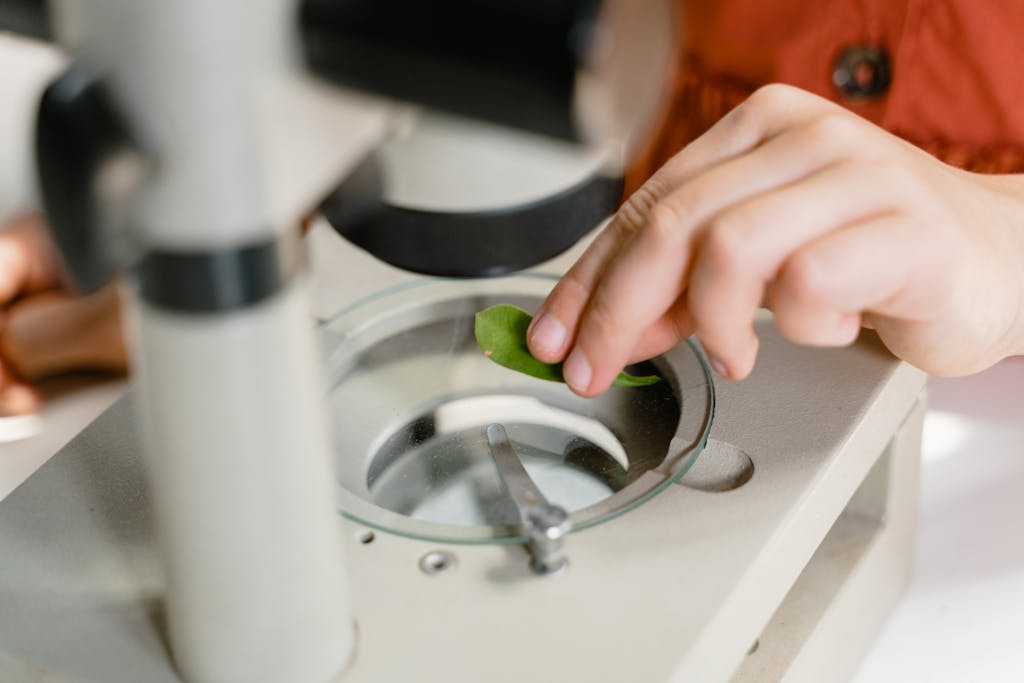
Sustainability has become one of the defining challenges shaping the future of global coffee production as environmental instability, economic pressure, and agricultural resource constraints intensify throughout 2025 and 2026. Bio-engineering resilient coffee varieties is increasingly viewed not simply as a scientific pursuit, but as part of a broader effort to stabilize agricultural systems that are under mounting stress from climate change, rising operational costs, labor shortages, and global supply chain volatility. The sustainability debate surrounding coffee genetics now extends beyond environmental protection alone and includes long-term economic survivability, food security, water management, biodiversity preservation, and the viability of rural farming communities.
Coffee farming has historically depended on highly resource-intensive agricultural systems in many producing regions. Disease outbreaks often trigger heavy fungicide use, drought conditions increase irrigation demands, and declining soil fertility encourages greater dependence on synthetic fertilizers. In 2026, these pressures are compounded by elevated fertilizer and fuel costs tied to geopolitical conflicts, energy market instability, and ongoing shipping disruptions affecting global trade routes. As production expenses continue rising, many farmers face increasingly narrow profit margins while attempting to maintain yields and quality standards.
Resilient coffee genetics may help reduce some of these pressures by allowing farms to operate with fewer chemical interventions and lower environmental input requirements. Disease-resistant coffee varieties could reduce fungicide dependency, while drought-tolerant plants may decrease irrigation demands in water-constrained regions. Heat-tolerant cultivars could also help stabilize yields in areas experiencing rising temperatures and shifting rainfall patterns. Together, these improvements may contribute to more sustainable agricultural systems capable of maintaining productivity under increasingly difficult environmental conditions.
However, sustainability within coffee agriculture remains highly complex because every intervention creates trade-offs. While genetically resilient plants may improve productivity and reduce resource consumption, concerns remain regarding biodiversity reduction, monoculture expansion, and dependence on genetically uniform agricultural systems. The long-term success of bio-engineered coffee will therefore depend heavily on whether resilience can be achieved without sacrificing ecological diversity and long-term ecosystem stability.
Reducing Dependence on Chemicals
One of the primary sustainability goals of coffee bio-engineering is reducing reliance on pesticides, fungicides, and synthetic agricultural treatments. Coffee leaf rust and other fungal diseases often require repeated chemical applications to control outbreaks, especially in regions where climate conditions increasingly favor pathogen spread. These treatments raise production costs, create environmental runoff concerns, and may contribute to long-term soil degradation.
Disease-resistant coffee varieties offer the possibility of reducing chemical intervention while maintaining stable yields. By strengthening the plant’s natural defense systems through selective breeding or genetic engineering, researchers aim to minimize the frequency and severity of infections before they require aggressive treatment programs. This approach could lower environmental contamination risks and reduce financial pressure on producers already struggling with rising agricultural input costs.
Reducing chemical dependency also aligns with growing consumer demand for environmentally responsible coffee production. Specialty coffee buyers increasingly prioritize sustainability certifications, regenerative agriculture, and reduced ecological impact when making purchasing decisions. Farms capable of producing resilient coffee with lower chemical usage may gain stronger positioning within premium coffee markets.
Increasing Long-Term Farm Productivity
Long-term productivity has become increasingly difficult to maintain in many coffee-growing regions due to soil degradation, disease pressure, aging coffee trees, and environmental instability. Climate change is accelerating many of these problems by exposing farms to more frequent droughts, irregular rainfall patterns, and temperature extremes that weaken plant health over time.
Resilient coffee genetics may improve farm productivity by stabilizing yields under difficult environmental conditions and extending the productive lifespan of coffee plants. Stronger root systems, improved water-use efficiency, and enhanced disease resistance can help farms maintain output even during periods of environmental stress. This stability becomes especially important for smallholder farmers who often lack the financial reserves needed to survive repeated crop failures or major production disruptions.
Modern agricultural research increasingly emphasizes resilience over maximum short-term yield optimization. Historically, some high-yield agricultural systems prioritized productivity at the expense of long-term ecosystem health and genetic diversity. In contrast, many 2026 coffee research initiatives focus on balancing productivity with durability, environmental sustainability, and adaptability to future climate uncertainty.
Supporting Smallholder Farmers
Smallholder farmers produce a significant portion of the world’s coffee supply, yet they remain among the most financially vulnerable participants within the global agricultural economy. Many small farms operate with limited access to financing, irrigation systems, advanced equipment, or crop insurance. Climate instability, rising fertilizer prices, and volatile coffee markets therefore place disproportionate pressure on these communities.
Bio-engineered resilient coffee varieties may provide important tools for improving agricultural stability among small producers. Plants requiring fewer chemical treatments or demonstrating stronger drought tolerance could lower operational costs while improving harvest reliability. Stable yields may help farmers better manage financial planning and reduce vulnerability to environmental shocks.
At the same time, concerns remain regarding access and affordability. Advanced agricultural genetics programs can become concentrated within large corporations or highly capitalized farming systems, potentially creating unequal access to improved varieties. Intellectual property protections, patented seed technologies, and licensing costs could widen economic disparities if resilience technologies are not distributed equitably across producing regions.
Several research organizations and public-sector agricultural programs are therefore emphasizing open-access breeding initiatives and collaborative research models designed to ensure resilient coffee varieties remain accessible to smaller farming communities. This issue is becoming increasingly important as the industry debates how to balance innovation with economic fairness and agricultural independence.
Enhancing Global Food Security
Although coffee is not a staple food crop, its agricultural stability remains economically significant for millions of people worldwide. Entire regional economies depend heavily on coffee exports, and disruptions in production can create widespread financial instability in producing nations. Climate-driven declines in coffee productivity may therefore contribute to broader social and economic stress, including migration pressures and rural economic decline.
Resilient agricultural systems are increasingly viewed as part of global food and economic security strategies. The technologies being developed for coffee adaptation often overlap with broader agricultural research focused on climate-resilient crops, sustainable water management, and ecosystem preservation. Coffee agriculture therefore functions as both a highly valuable commercial sector and a testing ground for future climate adaptation technologies across global farming systems.
In 2026, sustainability discussions surrounding coffee are no longer confined to environmental marketing language or certification labels. They are increasingly tied to the survival of agricultural livelihoods, long-term resource management, geopolitical stability, and the ability of farming systems to endure under accelerating global environmental change.
Ethical and Regulatory Issues

The rapid advancement of bio-engineering technologies in coffee agriculture has introduced a growing range of ethical, legal, and regulatory questions that extend far beyond crop science alone. As researchers accelerate efforts to develop climate-resilient and disease-resistant coffee varieties, debates are intensifying around genetic ownership, biodiversity protection, consumer transparency, environmental risk, and the concentration of agricultural power within global food systems. In 2026, these discussions have become increasingly urgent as climate instability threatens coffee production worldwide and governments, corporations, and research institutions push for faster agricultural adaptation.
Coffee occupies a unique position within global agriculture because it is not only a commodity crop but also a cultural product deeply connected to origin identity, traditional farming practices, and specialty market storytelling. Many consumers and producers view coffee as an artisanal agricultural product shaped by terroir, biodiversity, and regional heritage. This creates tension when highly advanced genetic engineering technologies enter an industry historically associated with craftsmanship and natural cultivation.
Ethical concerns are also amplified by broader public skepticism surrounding genetic modification in food systems. Although newer technologies such as CRISPR gene editing differ significantly from earlier GMO methods, many consumers remain cautious about genetic intervention in agriculture. Questions surrounding long-term ecological consequences, unintended biological effects, and corporate control over seed systems continue to shape public perception and policy debates worldwide.
At the same time, environmental and economic pressures are forcing the industry to confront difficult realities. Without significant agricultural adaptation, some scientists project major declines in suitable coffee-growing land over the coming decades. Policymakers and agricultural researchers therefore face a complex balancing act between accelerating innovation and ensuring that ethical safeguards, ecological protections, and equitable access remain central to the development process.
GMO Regulations Around the World
Regulatory frameworks for genetically modified and gene-edited crops vary significantly across countries and regions, creating major challenges for the future commercialization of bio-engineered coffee varieties. Some governments maintain highly restrictive policies regarding genetically modified organisms, while others are beginning to adopt more flexible regulations for newer gene-editing technologies that do not involve inserting foreign DNA into plants.
In the European Union, GMO oversight remains relatively strict, and consumer skepticism toward genetically engineered food products continues to influence policy decisions. By contrast, several countries have begun exploring differentiated regulatory treatment for CRISPR-edited crops if modifications could theoretically occur through natural mutation or traditional breeding. These distinctions may become increasingly important as coffee researchers pursue more precise gene-editing approaches rather than older transgenic modification techniques.
For the coffee industry, regulatory inconsistency creates substantial commercial uncertainty. Coffee is a globally traded agricultural product, and exporters must comply with varying import restrictions, labeling requirements, and certification standards across international markets. A genetically engineered coffee variety approved in one country may face trade barriers or consumer resistance in another, complicating adoption decisions for producers and exporters.
Specialty coffee markets may become particularly sensitive to these issues because transparency, traceability, and origin authenticity are central components of premium pricing models. Roasters and importers may eventually face difficult decisions regarding whether and how to market gene-edited coffee products to consumers who prioritize traditional agricultural narratives.
Ownership of Engineered Plant Genetics
One of the most controversial ethical issues surrounding agricultural biotechnology involves intellectual property rights and ownership of genetically engineered plant material. Modern agricultural genetics often involves patents, licensing agreements, and proprietary breeding technologies controlled by corporations or research institutions. Critics argue that excessive concentration of genetic ownership could increase farmer dependence on large companies while reducing agricultural independence and biodiversity.
Coffee producers, particularly smallholder farmers, may become vulnerable if future resilient varieties are tied to restrictive licensing systems or recurring seed purchase requirements. Concerns about “seed sovereignty” have already emerged in broader agricultural debates involving genetically engineered crops such as corn and soybeans. Similar concerns are now beginning to enter discussions surrounding future coffee genetics programs.
Public-sector coffee research institutions and nonprofit agricultural organizations are therefore emphasizing the importance of open-access breeding initiatives and collaborative international research programs. Some researchers argue that resilient coffee genetics should be treated as a global agricultural resource rather than proprietary technology due to the economic importance of coffee farming for millions of people worldwide.
The issue becomes even more sensitive because many valuable genetic traits originate from wild coffee species and traditional farming communities that have preserved biodiversity for generations. Questions surrounding who benefits financially from these genetic resources are increasingly tied to broader discussions about environmental justice, indigenous agricultural knowledge, and equitable participation in global biotechnology development.
Corporate Control Versus Open Agricultural Research
The growing role of biotechnology companies in agriculture has intensified debate regarding the balance between private-sector innovation and publicly accessible research. Large corporations possess significant financial resources for genomic research, AI-driven agricultural modeling, and gene-editing development, allowing them to accelerate technological progress rapidly. However, critics warn that excessive corporate influence could prioritize profitability over biodiversity preservation, farmer accessibility, and long-term ecological sustainability.
Open agricultural research models aim to counterbalance these risks by promoting international scientific collaboration, shared genomic databases, and publicly funded breeding initiatives. Several coffee research organizations are working to ensure that climate-resilient coffee varieties remain broadly accessible rather than concentrated within proprietary commercial systems.
This debate is becoming increasingly important as climate adaptation grows more urgent. Accelerated innovation may require private investment and advanced technological infrastructure, but long-term sustainability may also depend on maintaining broad genetic diversity and equitable access across producing regions. Policymakers and industry leaders are therefore navigating difficult questions regarding how to encourage innovation without creating excessive dependence on centralized agricultural technology systems.
Environmental Risk Assessments
Environmental safety remains a central concern in discussions surrounding bio-engineered coffee production. Although gene editing technologies have become more precise, scientists and regulators continue evaluating the possibility of unintended ecological consequences associated with genetically modified or heavily engineered crops.
Potential concerns include reduced biodiversity, unintended gene flow into wild coffee populations, ecosystem imbalance, and increased vulnerability resulting from excessive genetic uniformity. Agricultural history has repeatedly demonstrated that monoculture systems can create catastrophic systemic risks when diseases evolve around dominant crop varieties. Maintaining genetic diversity therefore remains essential even as the industry pursues resilient cultivars.
Environmental risk assessments increasingly examine not only the engineered plants themselves but also their broader ecological interactions. Researchers study impacts on pollinators, soil microbiomes, surrounding plant species, and regional ecosystems before approving large-scale deployment. In coffee agriculture, these concerns are especially important because many coffee farms exist within biologically sensitive tropical regions already under pressure from deforestation and climate change.
In 2026, the ethical and regulatory future of coffee bio-engineering remains highly dynamic. Scientific capabilities are advancing rapidly, but public trust, international policy coordination, environmental safeguards, and equitable access will likely determine how successfully these technologies are integrated into the future of global coffee agriculture.
Current Research and Industry Development

Research into resilient coffee genetics has accelerated dramatically over the last several years as climate instability, disease outbreaks, and supply chain disruptions continue to threaten long-term global coffee production. In 2026, coffee bio-engineering is no longer confined to isolated university laboratories or niche agricultural studies. Governments, private agricultural firms, specialty coffee organizations, and international research institutions are now investing heavily in climate adaptation strategies aimed at protecting one of the world’s most economically significant agricultural commodities.
This surge in research activity reflects the growing realization that many traditional coffee-growing regions may experience substantial declines in productivity over the coming decades if current warming trends continue. Simultaneously, persistent global instability — including transportation disruptions tied to conflicts affecting major shipping routes, rising fertilizer prices, labor shortages, and increasing agricultural insurance costs — has intensified pressure on the coffee industry to develop more resilient production systems capable of stabilizing both yields and supply chains.
Research initiatives are increasingly interdisciplinary, combining genetics, plant pathology, climatology, artificial intelligence, agronomy, and computational modeling into integrated agricultural development programs. Modern coffee science is shifting away from isolated single-variable studies toward systems-based research that evaluates how plants interact with climate stress, soil ecosystems, microbial environments, and global economic pressures simultaneously.
Several large-scale coffee research projects now focus on identifying climate-resilient varieties capable of maintaining quality under higher temperatures and more unstable growing conditions. These programs aim to address not only survival and yield but also the preservation of specialty coffee flavor profiles, which remain economically critical for premium markets worldwide.
Major Coffee Research Institutions
A number of international institutions continue to play central roles in coffee genetics and climate resilience research. Organizations such as World Coffee Research, CIRAD in France, CATIE in Central America, and multiple agricultural universities across Brazil, Ethiopia, Colombia, and Costa Rica are leading major breeding and genomic analysis initiatives.
World Coffee Research has become particularly influential in coordinating international efforts to develop climate-adapted coffee varieties. The organization collaborates with producing countries, seed programs, and private industry stakeholders to evaluate cultivars across different environmental conditions. Their work increasingly focuses on identifying varieties capable of tolerating heat stress, drought, and emerging disease threats while maintaining commercial viability and cup quality.
Brazilian agricultural institutions remain heavily involved due to the country’s enormous role in global coffee production. Research programs in Brazil are increasingly studying how prolonged drought conditions, irregular rainfall patterns, and rising temperatures affect both Arabica and Robusta cultivation. Colombia’s coffee research institutions are similarly investing in disease resistance and climate adaptation following years of pressure from coffee leaf rust outbreaks and changing environmental conditions.
Ethiopia remains critically important for biodiversity research because its wild coffee forests contain enormous untapped genetic diversity. Researchers continue cataloging and preserving wild species that may contain valuable resistance traits needed for future breeding programs. However, deforestation and climate stress threaten many of these ecosystems, increasing urgency surrounding conservation efforts.
Public and Private Sector Collaboration
The scale of modern coffee adaptation challenges has encouraged unusually broad collaboration between public institutions, governments, nonprofit organizations, and private agricultural companies. Climate resilience research is expensive, long-term, and resource intensive, making cross-sector cooperation increasingly necessary.
Private-sector involvement has expanded significantly in recent years as major coffee companies and agricultural technology firms recognize the economic risks associated with declining coffee productivity. Several corporations are funding breeding programs, genomic research initiatives, and AI-assisted agricultural modeling systems designed to improve long-term supply stability. Large roasters and importers increasingly understand that climate resilience is directly tied to future inventory security and pricing stability.
At the same time, public-sector and nonprofit organizations continue emphasizing accessibility and biodiversity preservation to prevent excessive concentration of agricultural power within proprietary seed systems. Many collaborative programs attempt to balance commercial innovation with open-access agricultural development, particularly for smallholder farmers who may lack resources to adopt expensive proprietary technologies.
Artificial intelligence is also becoming a shared area of collaboration between technology firms and agricultural researchers. Machine learning systems are increasingly used to analyze genomic data, forecast climate scenarios, model disease spread, and optimize breeding strategies. In 2026, AI-driven agricultural analytics platforms are emerging as major tools for accelerating crop adaptation timelines.
Experimental Coffee Varieties in Development
Numerous experimental coffee varieties are currently under evaluation across producing regions worldwide. Many of these cultivars are hybrids designed to combine the sensory qualities of premium Arabica coffee with the resilience traits of Robusta or wild coffee species.
Researchers are testing plants with improved heat tolerance, stronger root systems, drought resistance, and enhanced fungal immunity. Several new varieties also aim to improve productivity under lower-input farming systems, reducing dependence on fertilizers and fungicides that have become increasingly expensive due to global supply chain instability and energy market volatility.
Some experimental varieties are being specifically developed for regions expected to experience major climate stress over the coming decades. In parts of Central America, for example, breeding programs focus heavily on leaf rust resistance combined with tolerance for warmer nighttime temperatures that disrupt traditional Arabica cultivation. African research initiatives often emphasize drought resilience and biodiversity preservation due to increasing rainfall variability and ecosystem degradation.
Quality testing remains central throughout these development programs. Experimental varieties undergo extensive cupping evaluations to ensure that improvements in resilience do not significantly compromise sweetness, acidity, aroma, or body. Specialty coffee buyers continue demanding high sensory standards even as agricultural conditions become more difficult.
Field Trials and Long-Term Testing
Field trials remain one of the most important stages in coffee genetics research because laboratory success does not always translate into stable real-world agricultural performance. Coffee plants require years of observation across multiple harvest cycles before researchers can accurately evaluate long-term resilience, productivity, and sensory consistency.
Modern field testing programs are increasingly conducted across diverse environmental conditions to simulate future climate variability. Researchers evaluate how experimental cultivars respond to heat stress, drought, disease exposure, irregular rainfall, soil degradation, and shifting elevation suitability. Multi-country testing networks are also becoming more common because climate adaptation strategies may perform differently across geographic regions.
Long-term trials now often integrate digital agriculture technologies such as drone imaging, soil sensors, climate monitoring systems, and AI-driven analytics platforms. These tools allow researchers to gather massive quantities of environmental and biological data throughout the testing process, improving their ability to identify successful traits and predict future agricultural performance.
In 2026, current research and industry development efforts increasingly reflect a broader transformation occurring throughout global agriculture. Coffee is becoming a major case study in how advanced genetics, artificial intelligence, climate science, and sustainability initiatives may converge to reshape the future of crop production under conditions of accelerating environmental and economic instability.
We Build The World’s Most Affordable Coffee Roasters
Future Possibilities

The future of coffee agriculture is likely to be shaped by a convergence of biotechnology, artificial intelligence, climate science, automation, and ecological restoration. In 2026, researchers increasingly view coffee as one of the world’s most climate-sensitive agricultural systems, making it both highly vulnerable and highly influential in the development of next-generation farming technologies. The decisions being made today regarding coffee genetics, sustainability frameworks, and agricultural infrastructure may determine not only the future availability of specialty coffee, but also how global agriculture adapts to long-term environmental instability.
Many scientists now believe that the future coffee farm will operate very differently from traditional production systems that dominated the industry throughout the twentieth century. Farms may become increasingly data-driven, with AI-assisted climate forecasting, sensor-based irrigation management, genomic crop selection, and automated disease detection integrated into daily agricultural operations. Coffee plants themselves may evolve into highly specialized cultivars engineered to survive increasingly extreme environmental conditions while preserving commercially desirable flavor profiles.
At the same time, the future remains uncertain because technological adaptation introduces new economic, ecological, and ethical complexities. Advanced genetics may improve survival rates and productivity, but questions surrounding biodiversity preservation, seed ownership, corporate control, and consumer acceptance will continue influencing how these technologies are adopted across different regions and markets. The industry’s long-term success may depend on balancing scientific innovation with ecological sustainability and equitable access for farming communities worldwide.
Geopolitical instability and supply chain volatility are also accelerating the push toward agricultural modernization. Ongoing disruptions affecting global shipping, fertilizer availability, and energy markets throughout 2025 and 2026 have exposed how vulnerable international coffee systems remain to external shocks. Future resilience strategies will therefore likely focus not only on biological adaptation but also on decentralization, regional stability, and improved agricultural self-sufficiency.
AI-Assisted Genetic Research
Artificial intelligence is expected to play an increasingly central role in agricultural genetics over the coming decade. Coffee breeding programs generate enormous volumes of biological, environmental, and sensory data that are difficult to analyze using traditional methods alone. Machine learning systems are becoming valuable tools for identifying hidden relationships between genetic traits, climate variables, disease resistance, and flavor outcomes.
Future AI systems may dramatically accelerate breeding cycles by predicting which genetic combinations are most likely to succeed before years of field testing are completed. Researchers could simulate environmental stress conditions digitally and model how experimental coffee varieties might perform under future climate scenarios. These technologies may reduce research costs while increasing the speed at which resilient cultivars reach commercial production.
AI may also improve flavor preservation during breeding programs. By analyzing historical cupping scores alongside genomic data and environmental variables, predictive systems could help researchers identify resilient varieties that maintain desirable sensory characteristics. This would be particularly important for specialty coffee markets where flavor differentiation remains economically critical.
As computational systems continue advancing, future agricultural AI platforms may evolve into highly integrated decision-support systems capable of guiding everything from seed selection and irrigation scheduling to disease prevention and harvest optimization.
Fully Climate-Adapted Coffee Crops
One of the long-term goals of coffee bio-engineering is the development of fully climate-adapted coffee varieties capable of thriving under significantly altered environmental conditions. Future cultivars may possess combinations of heat tolerance, drought resistance, disease immunity, and nutrient efficiency that would have been difficult to achieve through conventional breeding alone.
Some researchers envision coffee plants specifically optimized for warmer growing regions as traditional high-elevation Arabica zones become increasingly unstable. Hybrid varieties combining traits from Arabica, Robusta, and wild coffee species may become more common, particularly if climate pressure continues intensifying throughout tropical producing regions.
Future coffee plants may also become more efficient at surviving under lower-input agricultural systems. Enhanced nutrient absorption, stronger root systems, and improved water-use efficiency could reduce dependence on fertilizers and irrigation infrastructure at a time when agricultural resource costs remain volatile due to geopolitical instability and environmental stress.
However, the concept of “fully climate-adapted” coffee remains highly complex because climate change itself continues evolving unpredictably. Researchers increasingly recognize that future resilience may depend more on adaptability and genetic diversity than on developing a single universally resistant crop.
Hybrid Agricultural Systems
Future coffee production may increasingly rely on hybrid agricultural systems that combine advanced biotechnology with regenerative ecological farming practices. Rather than treating genetics and sustainability as separate disciplines, researchers are beginning to integrate plant science with ecosystem restoration, soil biology, and biodiversity management.
Agroforestry systems are likely to become more important because shade-grown environments can reduce heat stress, stabilize soil moisture, and support pollinator populations while improving carbon sequestration. Future coffee farms may integrate genetically resilient cultivars into biologically diverse ecosystems rather than relying on highly industrialized monoculture models.
Researchers are also exploring how microbial engineering and soil ecosystem management may complement plant genetics. Beneficial fungi, bacteria, and root symbiosis networks could help coffee plants absorb nutrients more efficiently and resist disease naturally. This broader ecological perspective reflects a growing understanding that long-term agricultural resilience depends on entire biological systems rather than isolated crop performance alone.
Expanding Coffee Cultivation Regions
As traditional growing zones become less suitable for coffee production, the global map of coffee agriculture may shift significantly over the coming decades. Rising temperatures are already pushing some farms toward higher elevations, while previously unsuitable regions may gradually become viable for cultivation.
Researchers are studying whether climate-adapted coffee varieties could expand production into new geographic areas. Some higher latitude regions or elevated mountain zones may eventually support commercial coffee farming as environmental conditions change. Controlled-environment agriculture and greenhouse cultivation may also become more economically viable if outdoor growing conditions deteriorate in major producing countries.
However, relocating coffee production creates new challenges involving infrastructure, labor availability, environmental impact, and ecosystem disruption. Expanding into previously uncultivated areas could introduce risks related to deforestation, biodiversity loss, and water resource competition if poorly managed.
In 2026, future possibilities for coffee agriculture increasingly reflect a broader transformation occurring across global food systems. Coffee is becoming both a warning signal for climate vulnerability and a testing ground for the technologies, scientific strategies, and sustainability models that may define the future of agriculture in an increasingly unstable world.
Conclusion

The coffee industry is entering a defining period in its history as climate instability, disease pressure, supply chain volatility, and rising production costs continue reshaping the future of global agriculture. In 2026, the challenges facing coffee production are no longer isolated environmental concerns or temporary market disruptions. They represent long-term structural pressures that threaten the biological, economic, and logistical foundations of one of the world’s most important agricultural commodities. As traditional growing conditions become less stable and global demand continues expanding, agricultural innovation is rapidly shifting from an optional competitive advantage into a necessity for industry survival.
Bio-engineering resilient coffee varieties has emerged as one of the most important responses to these mounting pressures. Advances in genetics, genomic sequencing, artificial intelligence, climate modeling, and precision agriculture are allowing researchers to develop coffee plants capable of surviving under increasingly difficult environmental conditions. These technologies offer the possibility of improving disease resistance, drought tolerance, heat adaptation, and long-term farm productivity while helping stabilize global coffee supply chains facing continued geopolitical and economic uncertainty.
At the same time, the future of coffee cannot be solved through technology alone. Coffee exists within highly interconnected biological, economic, cultural, and ecological systems. The industry must balance innovation with biodiversity preservation, environmental sustainability, ethical agricultural development, and the livelihoods of millions of farming families worldwide. Aggressive technological advancement without ecological safeguards or equitable access could create new vulnerabilities even while solving existing ones.
The Future of Coffee Depends on Agricultural Innovation
The long-term sustainability of coffee production will increasingly depend on the industry’s ability to adapt faster than environmental conditions continue to deteriorate. Traditional agricultural methods alone may no longer provide sufficient protection against accelerating climate stress, expanding disease ranges, and unpredictable weather patterns affecting major coffee-producing regions.
Agricultural innovation is becoming essential across every level of the coffee supply chain. Researchers are developing more resilient cultivars, farms are adopting precision agriculture technologies, and AI-driven systems are beginning to improve disease prediction, climate forecasting, and resource optimization. These innovations may help reduce production volatility while improving long-term agricultural stability in regions facing severe environmental pressure.
The urgency surrounding these efforts continues to grow as green coffee prices remain unstable due to transportation disruptions, elevated fertilizer costs, energy market volatility, and geopolitical conflicts affecting international trade routes throughout 2025 and 2026. Resilient agricultural systems are increasingly viewed as critical economic infrastructure rather than experimental scientific projects.
Balancing Science, Sustainability, and Consumer Trust
The future success of coffee bio-engineering will depend heavily on whether the industry can maintain public trust while pursuing aggressive agricultural adaptation. Consumers increasingly expect transparency regarding sustainability, sourcing practices, environmental impact, and food production methods. Specialty coffee markets in particular place strong emphasis on authenticity, regional identity, and biodiversity preservation.
As advanced genetic technologies become more integrated into coffee agriculture, clear communication and responsible governance will become increasingly important. Producers, researchers, and policymakers must balance the need for rapid adaptation with concerns surrounding biodiversity loss, proprietary genetics, ecological risk, and excessive industrialization of farming systems.
Sustainability itself is evolving beyond simple certification language or marketing claims. In 2026, sustainability increasingly refers to the long-term survivability of agricultural ecosystems, stable producer livelihoods, resilient supply chains, and responsible resource management under conditions of accelerating climate instability. Future coffee systems must therefore balance environmental resilience with economic accessibility and social equity across producing regions.
Consumer trust may ultimately depend on whether the industry demonstrates that scientific innovation can coexist with ecological stewardship and preservation of coffee’s cultural identity.
Why Resilient Coffee Genetics Will Shape the Industry
Resilient coffee genetics are likely to become one of the defining competitive and strategic factors shaping the future of the global coffee industry. Climate-adapted cultivars may determine which regions remain economically viable for production, how specialty coffee quality evolves under environmental stress, and whether supply chains can remain stable in the face of increasing global volatility.
The future coffee industry may look significantly different from the one that existed only a decade ago. Farms may rely on climate-optimized hybrid cultivars, AI-assisted crop management systems, precision irrigation technologies, and integrated ecological farming practices to maintain stable production. Genetic diversity preservation and adaptive breeding strategies may become as important to the industry as roasting innovation or consumer marketing.
At the same time, resilience will likely require flexibility rather than reliance on any single technological solution. Climate uncertainty, evolving diseases, geopolitical instability, and changing consumer expectations will continue reshaping agricultural priorities over time. The coffee industry’s long-term success may therefore depend on maintaining diversity — not only in genetics, but also in farming systems, research approaches, regional production strategies, and economic models.
Ultimately, resilient coffee genetics represent more than a scientific advancement. They are becoming a central component of how the global coffee industry attempts to secure its future in an era defined by environmental uncertainty, technological transformation, and rapidly changing agricultural realities.