


Introduction
The global coffee industry is undergoing a major technological transformation as supply chain instability, climate disruption, rising operational costs, and changing consumer expectations force producers, exporters, roasters, and retailers to modernize how coffee moves through the international market. In 2026, traditional coffee supply chains are facing unprecedented pressure from geopolitical conflicts, shipping disruptions, labor shortages, inflationary transportation costs, and growing demand for transparency and sustainability. These overlapping challenges are accelerating investment in digital infrastructure, artificial intelligence, automation, blockchain traceability, and advanced quality standardization systems across nearly every stage of coffee production and distribution.
Coffee has historically operated through highly fragmented global supply networks involving farmers, cooperatives, exporters, importers, shipping companies, warehouses, roasters, distributors, and retailers spread across multiple continents. While this decentralized structure helped create the regional diversity and specialty characteristics valued by coffee consumers, it also introduced significant inefficiencies, inconsistent quality control, limited transparency, and vulnerability to logistical disruption. Recent instability throughout 2025 and 2026 — including Red Sea shipping disruptions, elevated fuel costs, port congestion, fertilizer shortages, and geopolitical trade uncertainty — exposed how fragile many international coffee supply systems remain under external pressure.
At the same time, consumers and specialty buyers are demanding more information about sourcing practices, environmental sustainability, labor conditions, and product consistency than ever before. Coffee companies are increasingly expected to provide detailed traceability from farm to final cup while maintaining stable quality across highly volatile agricultural and logistical environments. This demand for transparency is driving rapid adoption of digital monitoring systems, real-time inventory management platforms, blockchain verification tools, and AI-assisted quality analysis technologies throughout the supply chain.
Modernization efforts are also being accelerated by economic necessity. Rising production costs, volatile green coffee pricing, transportation instability, and growing environmental pressures are narrowing profit margins throughout the industry. Automated logistics systems, predictive analytics, smart warehousing, and precision quality control technologies offer opportunities to reduce waste, improve forecasting accuracy, and stabilize operations in increasingly unpredictable markets.
Technology-driven standardization is becoming especially important within specialty coffee, where consistency and traceability directly influence brand value and customer trust. Advanced roasting analytics, sensor-based quality monitoring, machine vision systems, and AI-driven defect detection tools are helping companies maintain tighter quality control while scaling operations across multiple facilities and geographic regions.
The future coffee supply chain is likely to become far more connected, data-driven, and automated than traditional agricultural trade systems of the past. Artificial intelligence, IoT infrastructure, blockchain traceability, cloud-based logistics platforms, and predictive environmental analytics are increasingly converging into integrated systems capable of monitoring and optimizing coffee movement from cultivation through final retail distribution. As environmental and geopolitical uncertainty continues reshaping global trade in 2026, technology-driven modernization is rapidly evolving from a competitive advantage into a strategic requirement for long-term industry resilience.
The Complexity of the Global Coffee Supply Chain
The global coffee supply chain is one of the most geographically dispersed and operationally complex agricultural systems in the world. Coffee typically travels through multiple countries, transportation networks, processing facilities, warehouses, ports, financial intermediaries, and quality control checkpoints before ultimately reaching consumers. In 2026, this already complicated system is operating under increasing pressure from climate instability, geopolitical disruption, rising transportation costs, labor shortages, and growing consumer expectations surrounding sustainability and traceability.
Unlike many industrial products manufactured within centralized facilities, coffee production begins across millions of farms located throughout Latin America, Africa, and Asia. Many of these farms are smallholder operations situated in mountainous or remote regions with limited infrastructure access. Coffee cherries are harvested manually, processed locally, transported to cooperatives or exporters, shipped internationally, roasted in separate facilities, and eventually distributed through highly fragmented retail systems.
Each stage introduces operational variability and logistical risk. Environmental conditions affect harvest timing and crop quality. Port congestion and shipping delays disrupt transportation schedules. Currency fluctuations influence purchasing decisions. Political instability and trade policy changes impact import costs and customs procedures. In 2025 and 2026, continued instability affecting global shipping corridors — particularly disruptions tied to Red Sea trade routes and broader geopolitical tensions — significantly increased freight costs and delivery uncertainty throughout international coffee markets.
The specialty coffee sector adds additional layers of complexity because traceability, origin verification, processing method differentiation, and quality consistency are central to product value. Buyers increasingly demand detailed sourcing transparency and highly specific flavor profiles while expecting stable inventory availability despite increasingly unstable agricultural conditions.
This complexity creates major operational challenges for farms, exporters, importers, and roasters attempting to coordinate production, quality control, logistics, and inventory planning across globally distributed networks. As climate change and geopolitical instability continue intensifying, supply chain resilience is becoming one of the most important strategic concerns within the coffee industry.
Why Traditional Systems Create Inefficiencies
Traditional coffee supply chains often rely on fragmented communication systems, manual documentation, delayed reporting, and disconnected operational workflows that create significant inefficiencies across the industry. Many processes still depend heavily on spreadsheets, paper records, email communication, and manual inventory tracking, particularly among smaller producers and intermediaries.
This fragmentation reduces visibility throughout the supply chain. Producers may lack real-time information regarding market demand, transportation delays, or pricing conditions. Roasters may struggle to forecast inventory availability accurately due to inconsistent reporting from exporters or shipping providers. Quality inconsistencies can emerge when information regarding processing conditions, storage environments, or transportation handling is incomplete or delayed.
Traditional systems also make traceability more difficult. Coffee often passes through multiple intermediaries before reaching roasters or retailers, creating opportunities for mislabeling, blending inconsistencies, or incomplete sourcing verification. As consumers increasingly demand transparency regarding sustainability, labor practices, and origin authenticity, these limitations are becoming more problematic for both regulatory compliance and brand trust.
Operational inefficiencies became especially visible throughout 2025 and 2026 as global supply chains experienced repeated disruptions tied to shipping instability, fuel price volatility, labor shortages, and international trade tensions. Delays at ports, container shortages, customs backlogs, and unpredictable freight costs exposed how dependent many coffee systems remained on slow and poorly integrated logistical processes.
Traditional forecasting methods also struggle under modern environmental conditions. Climate variability has reduced the reliability of historical harvest assumptions, making inventory planning and contract management increasingly difficult. Farms and exporters operating without predictive analytics or real-time monitoring systems may experience greater exposure to sudden production disruptions and pricing instability.
The Push Toward Digitization and Automation
The growing instability affecting global coffee markets is accelerating a major shift toward digitization and automation throughout the supply chain. In 2026, coffee companies are increasingly investing in cloud-based logistics platforms, AI-driven forecasting systems, blockchain traceability networks, automated inventory management tools, and sensor-based quality monitoring systems designed to improve operational efficiency and reduce uncertainty.
Digitization allows supply chain participants to access real-time information across multiple operational layers simultaneously. Farms can monitor environmental conditions and production forecasts digitally. Exporters can track shipping schedules and warehouse inventory through integrated logistics platforms. Roasters can use predictive analytics to forecast demand, manage purchasing strategies, and optimize roasting operations more efficiently.
Automation is also becoming increasingly important as labor shortages and rising operational costs continue affecting agriculture and transportation sectors globally. Automated warehousing systems, robotic packaging equipment, sensor-based sorting systems, and machine vision quality control technologies are helping companies reduce manual processing bottlenecks while improving consistency and scalability.
Blockchain-based traceability systems are gaining attention because they allow coffee supply chains to record sourcing, processing, transportation, and quality data in tamper-resistant digital ledgers. These systems may help improve transparency and reduce fraud while supporting sustainability verification and origin authentication.
Artificial intelligence is becoming one of the most transformative technologies driving modernization efforts. AI-driven systems can analyze shipping conditions, environmental forecasts, inventory levels, commodity pricing trends, and consumer demand patterns simultaneously to optimize logistical planning and reduce operational waste.
The push toward digitization is also reshaping how companies manage risk. Predictive analytics platforms increasingly help businesses anticipate supply disruptions caused by climate events, disease outbreaks, transportation bottlenecks, or geopolitical instability before severe operational consequences occur.
As environmental uncertainty and global trade volatility continue increasing throughout 2026, technology-driven modernization is rapidly becoming essential for maintaining efficiency, transparency, resilience, and long-term competitiveness within the global coffee industry.
Sign up For Exclusive Deals
And MUST-HAVE Offers
VALID FOR NEW AND EXISTING Customers
Mapping the Coffee Supply Chain
The global coffee supply chain is an extraordinarily interconnected system involving agricultural production, international logistics, commodity trading, processing infrastructure, financial markets, quality control systems, and retail distribution networks operating across multiple continents simultaneously. In 2026, mapping this supply chain has become increasingly important as climate instability, geopolitical disruption, transportation bottlenecks, and growing consumer demand for traceability place unprecedented pressure on coffee movement worldwide.
Unlike vertically integrated industrial manufacturing systems, coffee supply chains are highly decentralized and fragmented. A single bag of specialty coffee may pass through farmers, local collectors, cooperatives, processors, exporters, customs agencies, shipping companies, importers, warehouses, roasters, distributors, and retailers before reaching the final consumer. Each stage introduces logistical complexity, operational risk, and opportunities for quality variation or inefficiency.
The complexity of coffee movement has intensified significantly throughout 2025 and 2026 due to overlapping global disruptions. Red Sea shipping instability, elevated fuel prices, port congestion, labor shortages, inflationary freight costs, and changing tariff policies have increased transportation uncertainty and extended delivery timelines across international trade networks. At the same time, climate-related disruptions such as droughts, flooding, disease outbreaks, and irregular harvest cycles are affecting production predictability in many major coffee-growing regions.
Modern supply chain mapping therefore extends far beyond simple transportation tracking. Coffee companies increasingly use digital logistics platforms, blockchain systems, AI-driven forecasting tools, IoT monitoring networks, and cloud-based inventory management systems to create detailed visibility into how coffee moves from farm to final retail distribution. These technologies help companies identify bottlenecks, reduce waste, improve forecasting accuracy, and strengthen operational resilience under increasingly volatile conditions.
The specialty coffee sector places additional importance on supply chain mapping because consumers increasingly expect transparency regarding sourcing practices, environmental sustainability, labor conditions, and origin authenticity. Traceability has become both a marketing advantage and a logistical necessity within premium coffee markets.
Farm-Level Production
The coffee supply chain begins at the farm level, where environmental conditions, agricultural practices, labor availability, and plant health directly influence both production volume and bean quality. Most global coffee production still depends heavily on smallholder farmers operating in tropical regions across Latin America, Africa, and Asia.
Harvest timing varies significantly depending on geographic location, elevation, climate conditions, and coffee variety. Coffee cherries are often hand-picked selectively to ensure proper ripeness, especially in specialty coffee production where quality differentiation depends heavily on careful harvesting practices.
Climate instability is creating increasing challenges at the farm level. Rising temperatures, irregular rainfall, disease outbreaks, and drought conditions are reducing predictability throughout many coffee-growing regions. In 2026, many farms are integrating digital agriculture tools such as soil sensors, weather monitoring systems, and AI-driven crop forecasting platforms to improve operational planning and reduce environmental risk exposure.
Farm-level data collection is also becoming more important for traceability systems. Digital harvest records, sustainability certifications, environmental monitoring data, and geolocation tracking increasingly follow coffee throughout later supply chain stages.
Export and Import Logistics
After processing and drying, coffee beans typically move through exporters, shipping providers, customs systems, and international logistics networks before arriving in consuming countries. This stage has become one of the most vulnerable portions of the global coffee supply chain due to ongoing geopolitical instability and transportation disruptions affecting global trade routes throughout 2025 and 2026.
Container shortages, port congestion, elevated fuel prices, labor disruptions, and rerouting caused by conflicts affecting major maritime corridors have significantly increased freight costs and shipping uncertainty. Delays during transportation can also affect green coffee quality if storage conditions become unstable or transit times extend excessively.
Importers increasingly rely on digital logistics platforms and predictive analytics systems to monitor shipment movement in real time. GPS tracking, environmental sensors, and AI-driven freight optimization systems help companies anticipate delays and manage inventory more effectively under volatile shipping conditions.
Trade regulations, tariffs, customs documentation, and international certification requirements add additional complexity to cross-border coffee movement. Supply chain digitization is helping automate many of these administrative processes while improving transparency and reducing documentation errors.
Roasting and Distribution Networks
Once coffee arrives in consuming markets, it enters roasting and distribution systems where green coffee is transformed into final consumer products. Roasting operations vary from small specialty micro-roasters to large industrial facilities processing massive production volumes across multiple geographic regions.
Roasters face increasing operational challenges due to unstable green coffee pricing, inconsistent harvest quality, rising energy costs, and changing consumer demand patterns. In response, many companies are adopting advanced analytics systems, automated roasting controls, AI-assisted inventory forecasting, and sensor-based quality management platforms to improve consistency and efficiency.
Distribution networks then move roasted coffee through wholesalers, retailers, e-commerce platforms, cafes, grocery chains, and direct-to-consumer fulfillment systems. Omnichannel distribution models have become increasingly important in 2026 as online coffee sales and subscription services continue expanding globally.
Real-time inventory visibility is becoming essential because volatile transportation conditions and fluctuating consumer demand make traditional forecasting methods less reliable. AI-driven logistics systems increasingly help distributors optimize warehousing, route planning, and inventory allocation dynamically.
Retail and Consumer Delivery Systems
The final stage of the coffee supply chain involves retail sales, food service distribution, subscription fulfillment, and direct consumer delivery systems. Consumer expectations have evolved significantly in recent years, placing greater emphasis on freshness, traceability, sustainability, convenience, and personalized product experiences.
Retailers increasingly use digital supply chain data as part of customer engagement strategies. QR-code traceability systems, blockchain verification platforms, and digital sourcing records now allow consumers to access detailed information regarding farm origin, processing methods, environmental conditions, and sustainability certifications directly from product packaging.
E-commerce growth has also transformed final distribution systems. Subscription services, direct-to-consumer shipping, and personalized coffee recommendations driven by AI analytics are reshaping how roasted coffee reaches consumers. Companies increasingly rely on predictive inventory systems and automated fulfillment technologies to manage these rapidly evolving retail channels efficiently.
Consumer demand forecasting is becoming more data-driven as well. Machine learning systems now analyze purchasing patterns, seasonal demand fluctuations, commodity pricing trends, and regional consumption behavior to optimize production and distribution planning across multiple markets simultaneously.
In 2026, mapping the coffee supply chain is no longer simply about understanding transportation routes or commodity movement. It has evolved into a highly sophisticated digital infrastructure challenge involving environmental forecasting, AI-driven logistics, sustainability verification, quality standardization, and real-time global operational coordination under increasingly unstable environmental and geopolitical conditions.
Let Coffee Crafters Help You Become A Coffee Roaster

Supply Chain Digitization
Supply chain digitization is rapidly transforming the global coffee industry as producers, exporters, roasters, distributors, and retailers attempt to modernize operations under increasingly unstable environmental and economic conditions. In 2026, digital infrastructure is becoming essential for managing the complexity of international coffee trade as climate disruptions, geopolitical instability, transportation bottlenecks, labor shortages, and volatile commodity markets continue exposing the limitations of traditional logistics systems.
Historically, coffee supply chains relied heavily on fragmented communication methods, manual inventory tracking, paper-based documentation, and delayed operational reporting. Information often moved slowly between farms, cooperatives, exporters, importers, warehouses, shipping providers, and roasters, creating inefficiencies that reduced visibility and increased operational risk. As coffee demand expanded globally and specialty markets placed greater emphasis on traceability and consistency, these outdated systems became increasingly difficult to sustain.
The instability experienced throughout 2025 and 2026 accelerated the push toward digital transformation. Shipping disruptions affecting major trade corridors, elevated freight costs, customs delays, container shortages, and unpredictable harvest cycles demonstrated how vulnerable traditional supply systems remained to external shocks. Coffee companies increasingly recognized that real-time operational visibility and predictive logistics capabilities were necessary not only for efficiency, but for long-term business resilience.
Modern supply chain digitization integrates cloud computing, artificial intelligence, IoT sensor networks, blockchain traceability systems, predictive analytics, automated warehousing, and real-time logistics platforms into highly connected operational ecosystems. These technologies allow companies to monitor inventory movement, environmental conditions, production forecasts, quality metrics, and transportation status continuously across multiple regions and operational layers.
Digitization is also changing how companies manage risk. AI-driven systems can now forecast supply disruptions, optimize purchasing strategies, identify transportation bottlenecks, and dynamically adjust inventory planning based on environmental conditions and market volatility. In a coffee industry increasingly shaped by climate uncertainty and geopolitical instability, digital infrastructure is rapidly becoming a strategic necessity rather than a competitive luxury.
Real-Time Inventory Tracking
Real-time inventory tracking has become one of the most important components of modern coffee logistics because supply chain volatility has made traditional forecasting methods increasingly unreliable. In the past, coffee companies often relied on delayed warehouse reporting and periodic inventory reconciliation processes that created visibility gaps throughout the distribution network.
Modern digital systems now allow exporters, importers, warehouses, and roasters to monitor coffee inventory continuously across multiple facilities and transportation stages. RFID tags, barcode systems, IoT tracking devices, GPS-enabled shipping platforms, and cloud-based inventory software provide near real-time updates regarding inventory location, quantity, movement, and storage conditions.
This visibility becomes especially valuable during periods of transportation instability. In 2025 and 2026, shipping delays caused by geopolitical conflicts, port congestion, and rerouted maritime traffic significantly disrupted coffee movement worldwide. Companies using real-time logistics systems were often better positioned to reroute shipments, adjust inventory allocations, and respond to supply disruptions more effectively than businesses relying on slower manual systems.
Inventory digitization also improves financial planning by reducing uncertainty regarding available stock levels and delivery timelines. Roasters and distributors can optimize purchasing schedules more accurately while minimizing costly overstocking or product shortages.
Cloud-Based Logistics Platforms
Cloud-based logistics platforms are increasingly serving as centralized operational hubs connecting multiple participants throughout the coffee supply chain. These systems integrate inventory management, shipping coordination, customs documentation, production forecasting, quality control records, and financial reporting into unified digital environments accessible across different geographic regions.
Unlike traditional localized software systems, cloud platforms allow supply chain participants to share real-time operational data more efficiently. Exporters can update shipment status instantly, importers can monitor customs progress, warehouses can track inventory movement dynamically, and roasters can forecast production schedules based on continuously updated logistics information.
Cloud infrastructure also supports scalability and remote operational management, which became especially important during recent periods of labor disruption and international trade instability. Companies managing globally distributed supply chains increasingly depend on centralized digital platforms capable of coordinating operations across multiple countries and transportation networks simultaneously.
Artificial intelligence is also becoming deeply integrated into cloud logistics systems. AI-driven analytics platforms can evaluate shipping patterns, environmental risks, historical delays, market demand fluctuations, and transportation costs to optimize supply chain planning dynamically.
Digital Documentation Systems
Coffee trade historically generated large amounts of paper-based documentation involving customs forms, shipping manifests, certificates of origin, sustainability certifications, quality reports, invoices, and regulatory compliance records. Manual document handling often created administrative delays, increased error rates, and reduced visibility throughout international logistics systems.
Digital documentation systems are helping modernize these processes by automating record management, customs processing, certification tracking, and compliance verification. Electronic bills of lading, digital export records, cloud-based customs integration, and automated reporting systems are reducing paperwork bottlenecks while improving operational efficiency.
These systems became increasingly important during recent global trade disruptions because customs delays and documentation errors significantly contributed to transportation slowdowns throughout 2025 and 2026. Automated digital workflows help reduce administrative friction while improving shipment tracking and regulatory compliance across international borders.
Digital certification systems are also becoming more important within specialty coffee markets. Sustainability certifications, organic compliance records, fair trade verification, and traceability data can now be integrated directly into digital supply chain platforms, improving transparency and simplifying auditing processes.
Integrated ERP and Farm Management Software
Enterprise Resource Planning (ERP) systems and digital farm management platforms are increasingly connecting agricultural production directly with downstream logistics, inventory planning, and financial management systems. These integrated platforms allow coffee companies to coordinate farming operations, environmental monitoring, production forecasts, purchasing strategies, and distribution planning within unified operational frameworks.
At the farm level, management software can track harvest schedules, soil conditions, disease monitoring, labor allocation, irrigation usage, and sustainability metrics. This information may then feed directly into exporter logistics systems and roaster forecasting platforms, creating more coordinated and data-driven supply chains.
ERP systems also improve financial visibility by integrating procurement costs, transportation expenses, inventory valuation, and sales forecasting into centralized reporting systems. This level of operational integration becomes increasingly valuable under volatile market conditions where pricing fluctuations and supply disruptions can rapidly affect profitability.
In 2026, many large coffee organizations are moving toward highly interconnected digital ecosystems where farms, exporters, warehouses, logistics providers, roasters, and retailers share operational data continuously. This transition reflects a broader transformation occurring throughout global agriculture and international trade, where supply chain resilience increasingly depends on the ability to collect, analyze, and respond to real-time information at every stage of production and distribution.
Blockchain and Traceability

Blockchain technology and advanced traceability systems are becoming increasingly important within the global coffee industry as consumers, regulators, and supply chain participants demand greater transparency, accountability, and verification throughout agricultural production and distribution networks. In 2026, traceability has evolved far beyond simple origin labeling or marketing claims. Coffee companies are now under growing pressure to provide detailed, verifiable information regarding sourcing practices, environmental sustainability, labor conditions, transportation history, and quality management across every stage of the supply chain.
The need for transparency has intensified as global coffee systems face mounting instability from climate disruptions, geopolitical conflicts, shipping bottlenecks, rising transportation costs, and volatile commodity markets. Supply chain disruptions throughout 2025 and 2026 exposed vulnerabilities involving inventory visibility, sourcing reliability, and documentation integrity across international agricultural trade. As a result, digital traceability systems are increasingly viewed not only as branding tools but also as operational infrastructure necessary for managing risk and maintaining consumer trust.
Traditional coffee supply chains often suffer from fragmented documentation and limited visibility between production stages. Coffee may pass through multiple intermediaries before reaching roasters or retailers, making it difficult to verify sourcing claims, sustainability certifications, or processing history with complete accuracy. Manual recordkeeping systems and disconnected databases further complicate transparency efforts.
Blockchain technology offers one potential solution by creating decentralized digital ledgers capable of recording transactions and supply chain events in tamper-resistant formats. These systems allow participants to store verifiable records regarding production, transportation, processing, and quality data across distributed networks. While blockchain adoption within coffee remains in relatively early stages compared to some other industries, interest continues growing as traceability becomes increasingly valuable across specialty and commercial coffee markets.
The specialty coffee sector has become one of the strongest drivers of traceability innovation because premium pricing often depends heavily on origin identity, ethical sourcing claims, and sustainability verification. Consumers increasingly expect direct visibility into how coffee was produced, who produced it, and how environmental and labor standards were maintained throughout the supply chain.
Verifying Coffee Origins
Origin verification has become increasingly important within specialty coffee because regional identity strongly influences flavor expectations, brand positioning, and market value. Coffees from Ethiopia, Colombia, Kenya, Panama, and other producing regions often command premium pricing due to distinctive sensory profiles associated with geography, elevation, processing methods, and local agricultural practices.
Traditional origin verification systems, however, may involve fragmented paperwork, manual certifications, and multiple intermediaries that create opportunities for mislabeling or blending inconsistencies. Blockchain-based traceability systems can improve origin transparency by recording production and movement data at each stage of the supply chain in immutable digital ledgers.
Modern traceability platforms may include farm geolocation records, harvest timestamps, processing details, transportation logs, warehouse records, and quality grading information tied directly to specific coffee lots. QR-code systems increasingly allow consumers to access portions of this data directly through retail packaging, improving transparency and strengthening brand trust.
Origin verification also helps protect specialty producers by preserving the economic value associated with high-quality regional coffees. Verified traceability may reduce fraud and help differentiate premium products within increasingly competitive global markets.
Transparency in Ethical Sourcing
Ethical sourcing has become a major concern throughout the coffee industry as consumers place greater emphasis on labor practices, environmental stewardship, and equitable economic relationships within agricultural supply chains. Coffee companies are increasingly expected to demonstrate responsible sourcing standards rather than relying solely on generalized sustainability claims.
Traceability systems help improve ethical transparency by documenting production conditions, certification compliance, labor practices, cooperative participation, and sustainability metrics throughout the supply chain. Blockchain records may provide tamper-resistant documentation supporting claims involving fair trade participation, organic cultivation, regenerative farming, or environmental protection efforts.
In 2026, ethical sourcing has become increasingly intertwined with climate resilience and supply chain stability. Producers facing environmental stress, disease outbreaks, and rising operational costs may become more vulnerable economically, increasing pressure on buyers and retailers to support more sustainable and equitable sourcing models.
Consumers and institutional buyers increasingly demand detailed sourcing verification as part of purchasing decisions. Large retailers, specialty roasters, and corporate procurement programs are investing more heavily in digital traceability systems capable of supporting sustainability reporting and regulatory compliance.
Preventing Fraud and Mislabeling
Supply chain fragmentation and inconsistent documentation create opportunities for fraud, adulteration, and misrepresentation throughout agricultural markets. In coffee, these risks may involve inaccurate origin claims, blending lower-quality beans into premium lots, falsified certifications, or manipulation of sustainability records.
Blockchain systems are increasingly promoted as tools for reducing these risks because distributed ledgers make records more difficult to alter retroactively without detection. Each transaction or supply chain event becomes permanently recorded within the blockchain structure, improving auditability and chain-of-custody verification.
Fraud prevention is especially important within specialty coffee markets where relatively small differences in origin, processing method, or quality score can significantly affect pricing. Premium micro-lots and highly traceable coffees often command substantial price premiums, creating financial incentives for misrepresentation when verification systems remain weak.
Digital traceability systems may also improve inventory accuracy and reduce logistical errors throughout transportation and warehousing stages. Real-time digital records help companies monitor coffee movement more precisely while reducing documentation inconsistencies during customs processing and international shipping.
Consumer Access to Supply Chain Data
One of the most visible effects of traceability modernization is the growing ability of consumers to access detailed information regarding the products they purchase. Modern coffee packaging increasingly includes QR codes or digital interfaces that connect consumers directly to sourcing records, farm information, environmental metrics, and processing histories.
Consumers in 2026 are more informed and sustainability-conscious than previous generations of coffee buyers. Many now expect transparency regarding environmental impact, labor practices, carbon emissions, regenerative farming efforts, and origin authenticity as part of the overall product experience.
Digital traceability systems help coffee companies build stronger customer relationships by transforming supply chain transparency into part of the brand narrative itself. Detailed sourcing information can strengthen perceived authenticity while differentiating products within crowded specialty markets.
At the same time, expanding consumer-facing transparency raises additional questions regarding data ownership, privacy, verification standards, and information accuracy. Not all blockchain or traceability systems are equally rigorous, and concerns remain regarding “traceability theater,” where companies market transparency claims without fully verifiable or meaningful underlying data.
In 2026, blockchain and traceability technologies remain evolving systems rather than fully mature solutions. However, they are increasingly shaping the future structure of global coffee trade by improving visibility, reducing information asymmetry, strengthening accountability, and helping modernize supply chains operating under growing environmental and geopolitical uncertainty.
Let Coffee Crafters Help You Become A Coffee Roaster
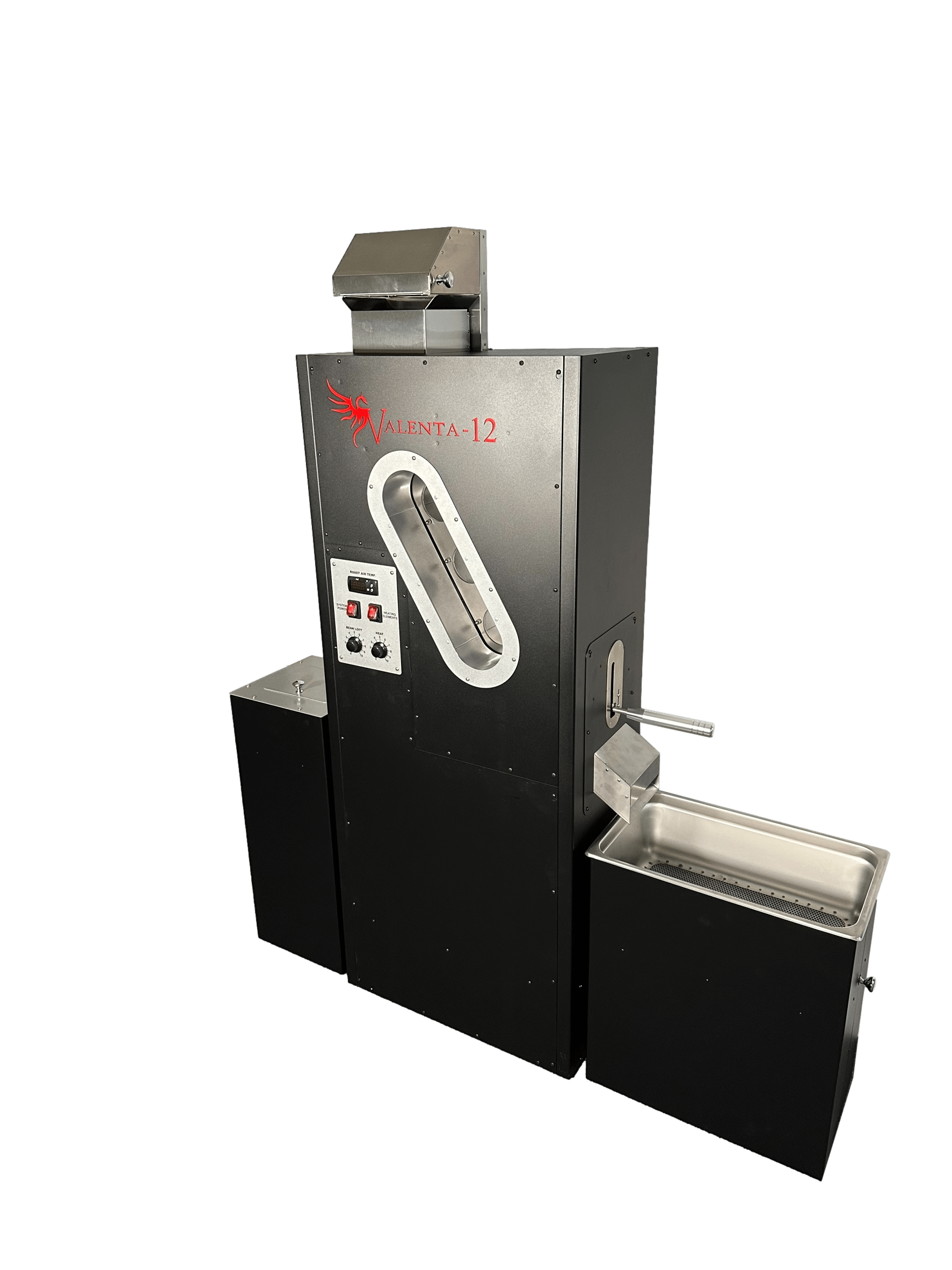
Standardization Technologies
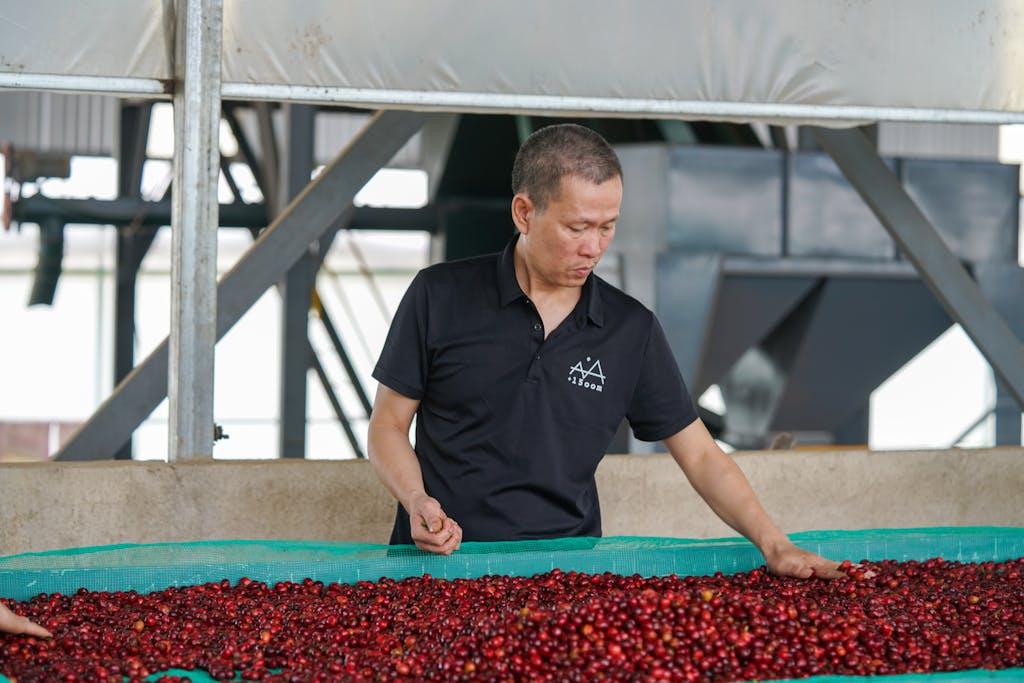
Standardization technologies are becoming increasingly important within the global coffee industry as producers, exporters, roasters, and retailers attempt to maintain quality consistency across highly complex and increasingly unstable supply chains. In 2026, coffee companies are operating under mounting pressure from climate variability, transportation disruptions, labor shortages, rising operational costs, and shifting consumer expectations regarding quality and transparency. These conditions are accelerating investment in automated quality control systems, sensor-based analytics, AI-driven defect detection, and digitally integrated production standards designed to reduce variability and improve operational reliability throughout the supply chain.
Coffee has traditionally been one of the most variable agricultural products in global trade. Environmental conditions, elevation, rainfall patterns, soil quality, processing methods, harvest timing, storage environments, and roasting techniques all influence final cup characteristics. While this variability contributes to the regional uniqueness prized within specialty coffee markets, it also creates major operational challenges for companies attempting to maintain consistent quality across large-scale production and distribution systems.
Climate instability is intensifying these challenges. Rising temperatures, irregular rainfall, drought stress, and expanding disease pressure are affecting bean development and harvest consistency across major producing regions. In 2025 and 2026, many producers experienced greater variability in bean density, moisture content, defect rates, and flavor development due to unstable growing conditions. These agricultural inconsistencies create downstream challenges for roasters, importers, and retailers seeking predictable performance and stable product quality.
Modern standardization technologies aim to reduce operational uncertainty by introducing more precise measurement systems throughout the coffee supply chain. Artificial intelligence, machine vision systems, spectroscopy, moisture analytics, automated grading equipment, and real-time roast monitoring platforms are increasingly replacing subjective manual inspection methods that historically dominated coffee quality evaluation.
At the same time, the specialty coffee industry continues balancing standardization with preservation of regional identity and artisanal differentiation. The objective is not eliminating coffee diversity, but creating more reliable systems for measuring, verifying, and reproducing desired quality outcomes under increasingly difficult environmental and logistical conditions.
Roast Profile Standardization
Roast profile standardization has become one of the most technologically advanced areas of coffee production because roasting introduces significant variability that directly affects flavor, consistency, and customer perception. Historically, roasting depended heavily on operator experience, sensory judgment, and manual control adjustments. While skilled roastmasters remain essential, modern systems increasingly integrate digital analytics and automation to improve repeatability across production environments.
Advanced roasting platforms now continuously monitor variables such as bean temperature, exhaust temperature, rate of rise, airflow, humidity, gas pressure, and roast development timing in real time. Software systems record detailed roast curves and allow operators to reproduce profiles with far greater precision than traditional analog roasting methods.
Machine learning is also becoming increasingly important within roast standardization. AI-driven systems can analyze historical roasting data alongside cupping scores and environmental variables to optimize roast profiles for specific coffee origins or target flavor outcomes. These systems help reduce batch-to-batch variability while improving consistency across multiple roasting facilities.
Roast standardization is particularly important in 2026 because green coffee quality has become more variable due to climate stress and supply chain instability. Advanced analytics help roasters compensate for fluctuations in moisture content, density, and bean chemistry caused by inconsistent harvest conditions.
Automated Quality Grading Systems
Automated grading technologies are transforming how coffee quality is evaluated throughout the supply chain. Traditional grading often relied heavily on manual inspection and subjective sensory evaluation performed by trained professionals. While cupping remains essential for specialty coffee assessment, digital grading systems now provide more scalable and objective methods for measuring physical quality characteristics.
Modern grading systems use optical scanners, machine vision platforms, weight analysis, density measurement, and spectroscopy to evaluate green coffee beans rapidly and consistently. These systems can identify defects, color inconsistencies, size variations, moisture irregularities, and foreign material contamination with high precision.
Automation improves efficiency while reducing human error and subjectivity during quality classification. Large exporters and importers increasingly rely on digital grading platforms to standardize quality assessment across multiple facilities and international supply chains.
Automated grading systems also support traceability efforts by creating digital quality records that follow coffee throughout the supply chain. This data integration improves transparency while allowing buyers and roasters to evaluate consistency more accurately before purchasing or processing coffee.
Sensor-Based Quality Assurance
Sensor technology is becoming central to modern coffee quality assurance because it allows continuous environmental and production monitoring throughout storage, transportation, roasting, and packaging operations. IoT-enabled sensor networks now track temperature, humidity, gas composition, moisture content, and environmental stability across multiple supply chain stages.
Storage conditions are especially important because green coffee remains highly sensitive to humidity fluctuations and temperature instability during transportation and warehousing. Poor environmental conditions can degrade flavor quality, increase defect rates, and shorten shelf life. Sensor-based monitoring systems allow companies to detect environmental problems earlier and reduce spoilage risk during long-distance international logistics operations.
Roasting facilities also increasingly integrate environmental sensors into production systems to improve consistency and process control. Real-time monitoring allows automated systems to adjust airflow, burner intensity, or cooling rates dynamically based on current roasting conditions.
Sensor-based quality assurance has become more valuable due to ongoing transportation instability affecting global coffee trade throughout 2025 and 2026. Longer transit times and unpredictable shipping conditions increase the need for continuous environmental visibility across logistics networks.
International Quality Benchmarking
As coffee supply chains become more globally integrated, international quality benchmarking systems are becoming increasingly important for maintaining consistency across geographically distributed operations. Large coffee companies often source from multiple producing regions and roast across several facilities simultaneously, making standardized quality metrics essential for operational coordination.
Digital benchmarking platforms allow companies to compare grading standards, roast performance, defect rates, moisture levels, and sensory evaluations across different suppliers and production sites. AI-driven analytics increasingly help identify systemic quality trends and optimize sourcing decisions based on historical performance data.
International benchmarking also supports sustainability and certification programs by creating more consistent evaluation standards for environmental practices, processing quality, and traceability compliance. Specialty coffee organizations and industry groups are increasingly exploring digital frameworks capable of standardizing quality verification globally while preserving regional uniqueness.
In 2026, standardization technologies are becoming critical infrastructure within the global coffee industry. As climate instability, supply chain volatility, and consumer expectations continue evolving, digitally integrated quality systems are helping companies reduce operational uncertainty while maintaining consistency, transparency, and product reliability across increasingly complex international markets.
Artificial Intelligence in Logistics
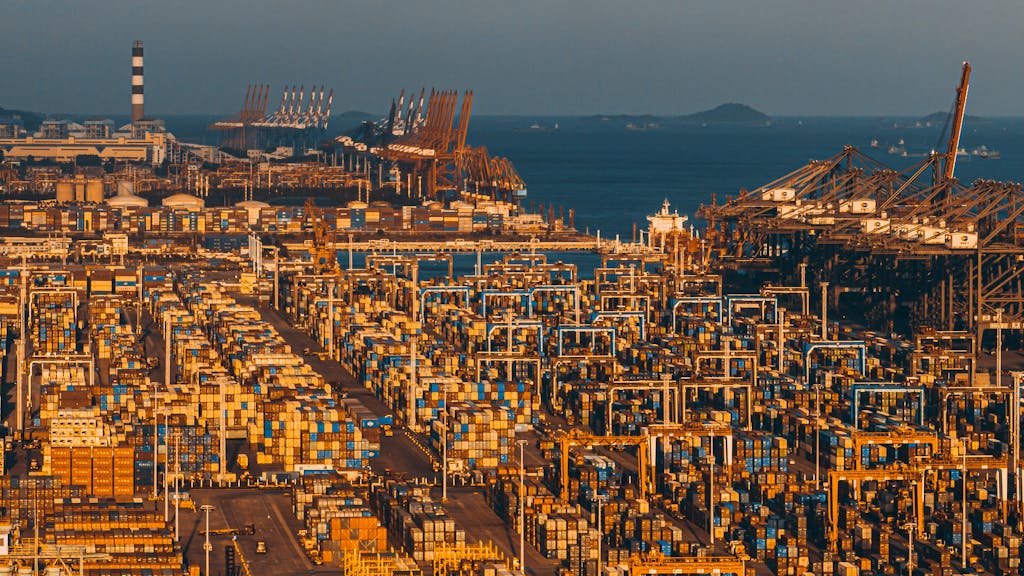
Artificial intelligence is rapidly transforming global coffee logistics as companies attempt to manage increasingly volatile supply chains shaped by climate instability, geopolitical disruption, rising transportation costs, and unpredictable market demand. In 2026, AI-driven logistics systems are becoming essential tools for improving operational efficiency, forecasting disruptions, optimizing inventory movement, and reducing waste throughout the coffee supply chain. What was once managed primarily through static scheduling models and manual coordination is increasingly evolving into a dynamic, data-driven system capable of adapting continuously to changing global conditions.
The coffee industry presents especially difficult logistical challenges because supply chains span multiple continents and involve highly variable agricultural production cycles, seasonal harvests, fluctuating commodity prices, port congestion, customs processing delays, and environmental sensitivity during storage and transportation. Coffee movement depends heavily on maritime shipping infrastructure, making it vulnerable to geopolitical conflicts, fuel price volatility, labor shortages, and disruptions affecting major trade corridors.
These vulnerabilities became especially visible throughout 2025 and 2026 as shipping instability linked to Red Sea trade disruptions, elevated insurance costs, rerouted freight traffic, and container shortages increased transportation complexity and operational uncertainty worldwide. Companies relying on traditional logistics systems often struggled to respond quickly enough to changing conditions, resulting in delayed shipments, inventory shortages, spoilage risks, and higher operational costs.
Artificial intelligence offers a powerful advantage because machine learning systems can continuously process large volumes of logistics, environmental, financial, and operational data simultaneously. AI-driven platforms increasingly monitor shipping patterns, weather forecasts, commodity pricing trends, transportation capacity, warehouse inventory levels, and consumer demand signals in real time to improve decision-making throughout the supply chain.
Modern logistics AI systems are also becoming more predictive rather than reactive. Instead of simply responding after disruptions occur, advanced forecasting models attempt to identify emerging risks before they escalate into major operational problems. This shift toward anticipatory logistics is becoming increasingly important as environmental and geopolitical uncertainty continue reshaping global trade systems.
Predictive Shipping Models
Predictive shipping models are among the most important AI applications within modern coffee logistics because transportation delays and route instability can significantly affect both product quality and financial performance. Coffee shipments often spend weeks or months moving between producing and consuming countries, making accurate forecasting essential for inventory planning and operational coordination.
AI-driven shipping models analyze variables such as weather conditions, port congestion, fuel costs, geopolitical developments, vessel traffic patterns, customs processing timelines, and historical freight performance to estimate potential disruptions before they occur. Machine learning systems continuously update these forecasts as new data becomes available, allowing companies to adjust logistics strategies dynamically.
Predictive shipping became especially valuable during the transportation disruptions of 2025 and 2026, when rerouted maritime traffic and freight bottlenecks created highly unstable delivery timelines across global trade networks. Companies using AI-assisted logistics systems were often better positioned to reroute shipments, secure alternative transportation capacity, and manage inventory more effectively during periods of severe operational disruption.
Advanced systems may also optimize transportation decisions based on product sensitivity and market conditions. Specialty coffees with tighter freshness requirements, for example, may receive priority routing recommendations under certain risk scenarios.
Demand Forecasting Systems
Accurate demand forecasting has become increasingly difficult within the coffee industry due to rapidly changing consumer behavior, volatile commodity markets, inflationary pressure, and supply chain instability. Traditional forecasting models often relied heavily on historical purchasing patterns and seasonal assumptions that are becoming less reliable under modern market conditions.
Artificial intelligence improves forecasting by analyzing large volumes of real-time data including retail sales trends, e-commerce activity, subscription behavior, regional demand fluctuations, commodity pricing, weather patterns, and macroeconomic indicators simultaneously. Machine learning systems can identify subtle consumption shifts earlier than conventional forecasting methods and continuously adapt as market conditions evolve.
Demand forecasting directly affects logistics performance because inventory movement, warehouse allocation, transportation scheduling, and production planning all depend on accurate consumption estimates. Poor forecasting may create overstocking, shortages, spoilage, or inefficient transportation utilization.
In 2026, many coffee companies increasingly integrate demand forecasting directly with sourcing and logistics systems, allowing operational decisions to respond dynamically to changing market conditions and environmental risks.
Warehouse Optimization
Warehouse management is becoming increasingly automated and AI-driven as coffee companies attempt to improve inventory efficiency while reducing operational costs and spoilage risk. Coffee storage requires careful environmental control because humidity fluctuations, temperature instability, and prolonged storage conditions can significantly affect product quality.
AI-driven warehouse systems continuously monitor environmental conditions, inventory movement, expiration timelines, and transportation schedules to optimize storage allocation and inventory rotation. Machine learning platforms can forecast when specific inventory lots should be prioritized for shipment based on freshness, destination requirements, and projected market demand.
Automation technologies such as robotic sorting systems, AI-assisted inventory tracking, and sensor-based environmental monitoring are also improving operational efficiency within large storage facilities. These systems reduce manual labor requirements while increasing accuracy and scalability across complex logistics networks.
Warehouse optimization became increasingly important during recent transportation disruptions because longer shipping delays forced many companies to store coffee inventory for extended periods. Advanced environmental monitoring and AI-driven inventory management helped reduce quality degradation and financial losses during these unstable logistical conditions.
Dynamic Pricing and Inventory Allocation
Artificial intelligence is also reshaping how coffee companies manage pricing and inventory allocation under volatile market conditions. Commodity price fluctuations, transportation instability, climate disruptions, and shifting consumer demand create rapidly changing economic environments that are difficult to manage using static pricing systems.
AI-driven pricing models analyze transportation costs, inventory levels, market demand, commodity pricing trends, and operational risk factors continuously to optimize purchasing and distribution decisions. These systems help companies allocate inventory more strategically during supply shortages or transportation disruptions.
Dynamic allocation systems may prioritize certain products, markets, or customers based on profitability, inventory sensitivity, contractual obligations, or logistical risk. This flexibility becomes especially valuable during periods of supply instability when transportation capacity and inventory availability are constrained.
Specialty coffee markets are also beginning to integrate AI-driven allocation systems into sourcing and roasting strategies. Roasters increasingly use predictive analytics to manage green coffee purchasing, production scheduling, and retail inventory planning simultaneously under changing environmental and economic conditions.
In 2026, artificial intelligence is transforming coffee logistics from a largely reactive operational process into an increasingly predictive and adaptive system capable of responding continuously to global volatility. As environmental instability, geopolitical disruption, and market complexity continue increasing, AI-driven logistics infrastructure is rapidly becoming essential for maintaining supply chain resilience, operational efficiency, and long-term competitiveness within the global coffee industry.
We Build The World’s Most Affordable Coffee Roasters
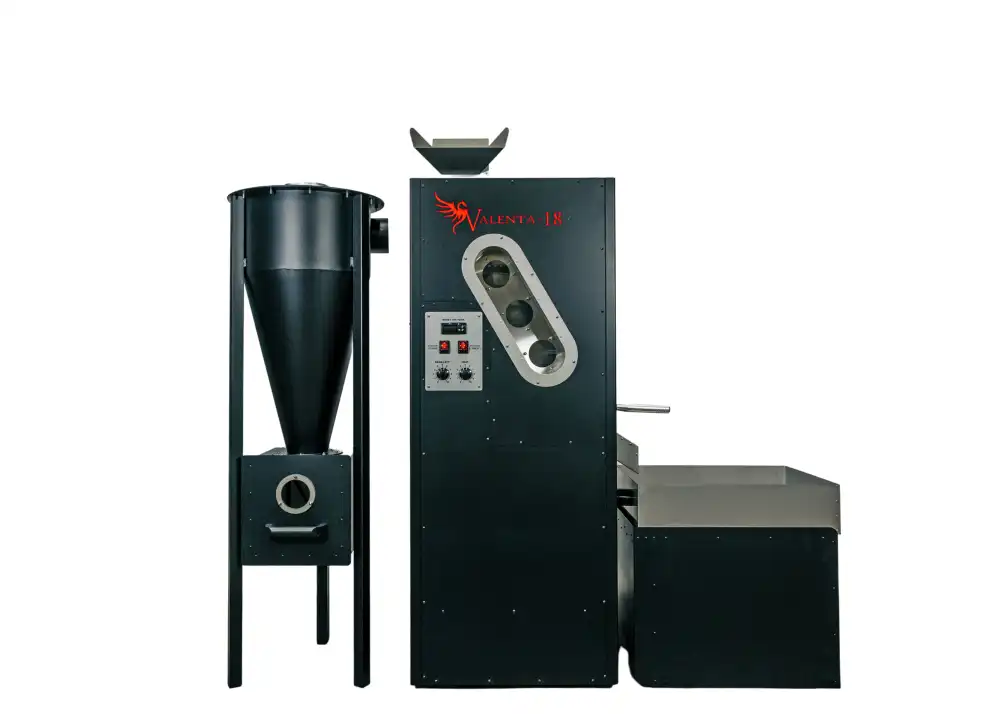
IoT and Smart Infrastructure

The Internet of Things (IoT) and smart infrastructure technologies are becoming increasingly important throughout the global coffee industry as companies modernize supply chains to improve efficiency, traceability, environmental monitoring, and operational resilience. In 2026, interconnected sensor networks, automated monitoring systems, cloud-connected devices, and real-time analytics platforms are transforming how coffee is produced, transported, stored, roasted, and distributed across international markets.
Coffee supply chains are particularly vulnerable to environmental instability because coffee quality can be significantly affected by temperature fluctuations, humidity exposure, transportation delays, and storage conditions at nearly every stage of movement. Climate instability, shipping disruptions, labor shortages, and rising operational costs throughout 2025 and 2026 exposed how dependent traditional logistics systems remained on manual oversight and delayed reporting. IoT infrastructure is helping address these vulnerabilities by creating continuous visibility into environmental and operational conditions throughout the supply chain.
Unlike traditional systems that relied heavily on periodic inspections and manual inventory tracking, smart infrastructure enables continuous automated monitoring. Sensors embedded within warehouses, shipping containers, roasting facilities, vehicles, and agricultural environments collect real-time data regarding temperature, humidity, location, airflow, equipment performance, moisture content, and operational activity. This information is transmitted through cloud-based systems where AI-driven analytics platforms can identify risks, forecast disruptions, and optimize operational decisions dynamically.
The growth of IoT technology also reflects broader changes occurring throughout global agriculture and logistics. Modern supply chains increasingly depend on predictive systems capable of responding rapidly to environmental volatility, transportation instability, and shifting consumer demand. Connected infrastructure provides the real-time operational intelligence necessary for companies to adapt continuously under increasingly unpredictable conditions.
Specialty coffee markets are especially benefiting from smart infrastructure because traceability, freshness, environmental stability, and quality consistency directly affect product value. IoT systems help preserve quality while improving transparency across geographically distributed supply networks.
Smart Containers and Environmental Monitoring
Smart shipping containers equipped with IoT sensors are becoming increasingly common within coffee logistics because green coffee remains highly sensitive to environmental conditions during international transportation. Temperature fluctuations, excessive humidity, condensation, and poor airflow can damage coffee quality during long transit periods, especially when shipments experience delays or rerouting.
Modern smart containers continuously monitor variables such as temperature, humidity, CO₂ levels, vibration exposure, and container location throughout transportation routes. Sensor data is transmitted in real time to cloud-based logistics platforms, allowing exporters, importers, and roasters to monitor shipment conditions continuously during ocean freight and overland transport.
Environmental monitoring became especially valuable during the supply chain disruptions of 2025 and 2026 when shipping delays, rerouted maritime traffic, and extended port congestion increased the likelihood of environmental quality degradation during transport. Companies using smart monitoring systems gained better visibility into inventory conditions and could respond earlier when environmental risks emerged.
AI-driven analytics platforms increasingly integrate this sensor data into predictive logistics systems capable of forecasting spoilage risk, estimating arrival quality, and optimizing transportation planning dynamically.
Cold Chain and Humidity Tracking
While coffee is not typically transported within refrigerated cold-chain systems like highly perishable foods, humidity and temperature stability remain critically important for preserving green coffee quality throughout storage and transportation. Excess moisture exposure can accelerate mold growth, flavor degradation, and defect formation, while excessive heat can destabilize volatile aromatic compounds and shorten shelf life.
Humidity tracking systems are becoming increasingly sophisticated through IoT sensor integration. Warehouses, storage silos, transport containers, and roasting facilities now commonly use automated environmental monitoring systems that continuously measure moisture conditions and trigger alerts when thresholds exceed safe limits.
Climate instability has increased the importance of environmental control because changing weather patterns and transportation disruptions create greater variability during storage and shipping operations. In regions experiencing higher humidity or prolonged transportation delays, real-time monitoring becomes essential for reducing spoilage and protecting specialty coffee quality.
Some advanced logistics systems also integrate predictive environmental forecasting, allowing companies to anticipate humidity risks before shipments encounter dangerous conditions during transit or storage.
GPS and Route Optimization
Real-time GPS tracking and AI-assisted route optimization systems are transforming coffee logistics by improving shipment visibility, reducing transportation delays, and increasing operational flexibility under volatile global trade conditions. Coffee shipments often move through multiple transportation stages involving trucks, ports, cargo vessels, warehouses, rail systems, and final distribution networks across different countries and regulatory environments.
GPS-enabled tracking platforms allow supply chain participants to monitor shipment movement continuously rather than relying on delayed manual status updates. Exporters, importers, and roasters can identify transportation bottlenecks earlier and adjust operational planning dynamically when delays or disruptions occur.
Route optimization systems powered by artificial intelligence increasingly evaluate variables such as weather conditions, port congestion, fuel prices, geopolitical risk, customs delays, and traffic patterns to recommend more efficient transportation pathways. These systems became particularly valuable during 2025 and 2026 as maritime shipping disruptions forced many logistics providers to reroute cargo around unstable trade corridors.
Improved route optimization not only reduces transportation costs and delivery uncertainty but may also help lower carbon emissions by improving fuel efficiency and reducing unnecessary transit delays.
Automated Distribution Centers
Automation is rapidly expanding within coffee warehousing and distribution systems as companies attempt to improve scalability, reduce labor dependency, and manage increasingly complex inventory flows. Automated distribution centers integrate robotics, AI-driven inventory systems, IoT sensor networks, and cloud-connected operational platforms into highly coordinated logistics environments.
Robotic sorting systems, automated pallet movement, AI-assisted inventory allocation, and machine vision technologies are increasingly handling tasks that historically required extensive manual labor. These systems improve operational efficiency while reducing human error and increasing processing speed across high-volume distribution facilities.
Automated distribution became more attractive as labor shortages and rising operational costs intensified across logistics sectors during 2025 and 2026. Companies operating highly digitized distribution centers often demonstrated greater resilience during periods of transportation instability and workforce disruption.
AI-driven warehouse management systems also optimize inventory rotation and shipment prioritization dynamically based on freshness requirements, customer demand forecasts, transportation conditions, and environmental monitoring data.
In 2026, IoT and smart infrastructure technologies are fundamentally reshaping how coffee moves through global supply chains. Continuous environmental visibility, automated operational control, predictive analytics, and real-time logistics intelligence are becoming essential components of modern coffee distribution systems operating within an increasingly unstable environmental and geopolitical landscape.
Sustainability and Waste Reduction
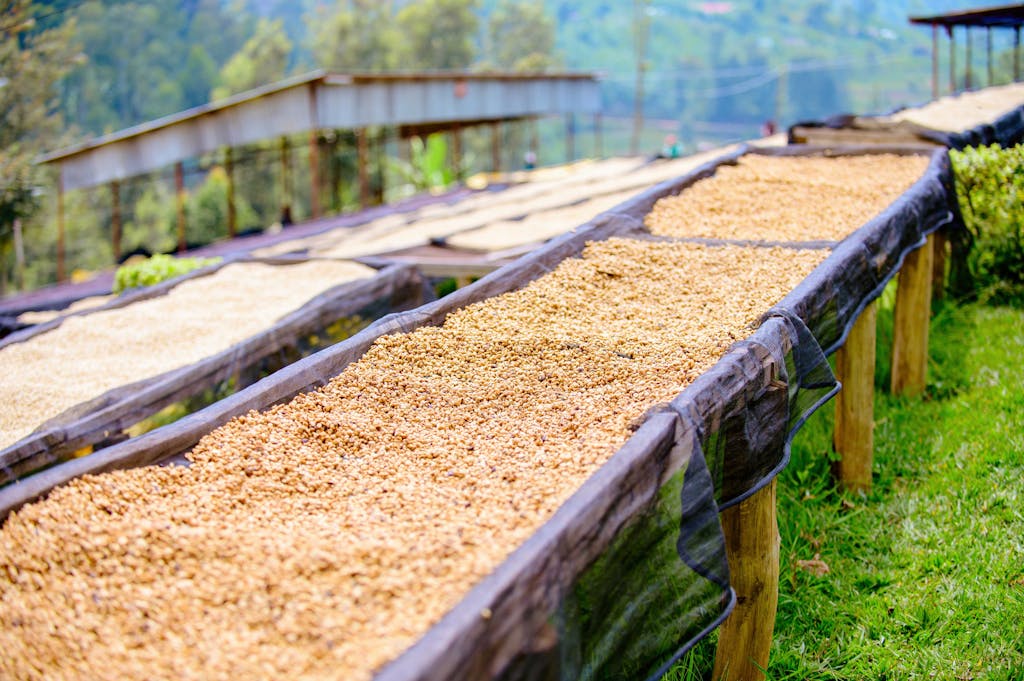
Sustainability and waste reduction are becoming central strategic priorities within the global coffee industry as environmental instability, rising operational costs, and increasing consumer expectations continue reshaping agricultural production and international trade. In 2026, coffee supply chains face mounting pressure to reduce waste, improve energy efficiency, lower carbon emissions, and optimize resource utilization while maintaining stable product quality under increasingly volatile environmental and logistical conditions.
Coffee production and distribution involve extensive resource consumption across multiple stages, including farming inputs, water usage, transportation fuel, packaging materials, storage infrastructure, roasting energy, and retail operations. Historically, inefficiencies throughout these systems often resulted in significant waste through spoilage, overproduction, transportation delays, excessive packaging, and poor inventory coordination. Climate instability and geopolitical disruptions have amplified these vulnerabilities by making supply chains more unpredictable and operationally expensive.
Recent disruptions throughout 2025 and 2026 highlighted how fragile many international coffee logistics systems remain under environmental and political stress. Shipping reroutes caused by instability affecting major maritime trade corridors increased fuel consumption and delivery timelines. Port congestion, labor shortages, rising energy prices, and inventory misalignment contributed to additional waste and operational inefficiency throughout global coffee distribution networks.
Technology-driven modernization is increasingly helping companies address these challenges through predictive analytics, AI-assisted logistics optimization, smart warehousing, IoT monitoring systems, and digitally integrated inventory management platforms. These systems improve visibility throughout the supply chain and allow companies to reduce unnecessary transportation, minimize spoilage, optimize energy consumption, and improve long-term sustainability planning.
Sustainability is also becoming economically critical rather than purely marketing-driven. Rising fuel prices, carbon reporting requirements, packaging regulations, and environmental compliance standards are increasing pressure on companies to operate more efficiently. Consumers and institutional buyers increasingly evaluate coffee brands not only on product quality but also on environmental performance, traceability, and long-term sustainability commitments.
Reducing Transportation Inefficiencies
Transportation inefficiency remains one of the largest contributors to waste and excess operational cost within global coffee supply chains. Coffee often travels thousands of miles through fragmented international logistics networks involving trucks, ports, ships, warehouses, rail systems, and distribution centers before reaching consumers.
In 2025 and 2026, geopolitical instability and shipping disruptions significantly increased logistical inefficiencies throughout global trade. Rerouted maritime traffic, port congestion, customs delays, and fluctuating fuel costs extended delivery times and increased transportation expenses across international coffee markets.
Artificial intelligence and predictive logistics systems are helping reduce these inefficiencies by optimizing routing decisions, improving shipment coordination, and forecasting transportation risks earlier. AI-driven systems continuously evaluate weather patterns, port congestion, fuel prices, geopolitical developments, and transportation capacity to identify more efficient shipping strategies dynamically.
Real-time inventory visibility also reduces unnecessary transportation movement by allowing companies to position inventory more strategically and respond faster to supply disruptions or demand shifts. Improved coordination across logistics networks may reduce redundant shipments, emergency freight usage, and warehouse bottlenecks that contribute to waste and excess emissions.
Lowering Carbon Emissions
The coffee industry faces growing pressure to reduce carbon emissions throughout both agricultural production and international transportation systems. Coffee cultivation, fertilizer usage, roasting operations, warehousing, shipping, and retail distribution all contribute to the industry’s overall environmental footprint.
Transportation remains one of the largest emission sources because coffee supply chains rely heavily on global maritime shipping and long-distance freight networks. Shipping disruptions during recent years often forced vessels to travel longer routes, increasing fuel consumption and carbon output substantially.
Technology-driven supply chain optimization helps reduce emissions by improving transportation efficiency, minimizing unnecessary storage movement, and optimizing warehouse energy usage. AI-assisted logistics systems increasingly help companies consolidate shipments, reduce idle transportation time, and improve route efficiency under changing market conditions.
Roasting facilities are also investing in energy-efficient equipment, heat recovery systems, and automated production controls designed to reduce fuel consumption and operational waste. Sensor-based monitoring and smart energy management systems help companies track environmental performance more precisely while improving process efficiency.
Some coffee companies are additionally integrating carbon accounting systems directly into digital supply chain platforms, allowing more detailed environmental reporting and sustainability tracking across production and logistics operations.
Packaging Optimization Technologies
Packaging waste has become another major sustainability concern throughout the coffee industry as e-commerce growth, single-serve products, and expanded direct-to-consumer shipping increase packaging consumption globally. Traditional coffee packaging often relies heavily on multi-layer plastic materials that are difficult to recycle and environmentally persistent.
Packaging optimization technologies are increasingly focused on reducing material usage while preserving product freshness and shelf stability. Lightweight materials, recyclable packaging systems, compostable alternatives, and AI-assisted packaging design optimization are becoming more common across both specialty and commercial coffee markets.
Smart packaging technologies are also emerging within some sectors of the industry. Sensor-enabled packaging systems may eventually monitor freshness, humidity exposure, oxygen levels, or storage conditions throughout distribution and retail environments.
AI-driven logistics platforms additionally help reduce packaging waste indirectly by improving demand forecasting and inventory allocation. Better forecasting reduces overproduction, minimizes expired inventory, and lowers the need for excessive emergency shipping materials during supply chain disruptions.
Circular Economy Applications
Circular economy principles are gaining increasing attention within coffee sustainability strategies as companies explore ways to reduce waste and repurpose byproducts throughout the production cycle. Traditional linear supply chains often generate large amounts of organic waste, packaging waste, energy loss, and discarded materials at multiple operational stages.
Coffee byproducts such as pulp, husks, spent grounds, and wastewater are increasingly being repurposed for composting, biofuel production, agricultural soil enhancement, and industrial material applications. Some companies are also exploring how spent coffee grounds may support energy generation, biodegradable packaging materials, or carbon sequestration initiatives.
Digital supply chain systems help support circular economy models by improving material tracking and waste measurement across production networks. IoT monitoring and AI analytics allow companies to identify inefficiencies and optimize resource reuse more effectively.
Regenerative agriculture is also becoming more closely connected with broader supply chain sustainability initiatives. Farms integrating agroforestry systems, composting programs, biodiversity restoration, and soil regeneration strategies may contribute to long-term ecosystem resilience while reducing dependence on environmentally intensive agricultural inputs.
In 2026, sustainability and waste reduction are increasingly viewed as operational requirements rather than optional environmental initiatives. Climate instability, rising energy costs, regulatory pressure, and evolving consumer expectations are pushing the coffee industry toward more efficient, transparent, and environmentally integrated supply chain systems capable of operating sustainably under increasingly complex global conditions.
Let Coffee Crafters Help You Become A Coffee Roaster




Challenges and Risks

Despite the rapid advancement of supply chain digitization, artificial intelligence, blockchain traceability, IoT infrastructure, and automated logistics systems, the modernization of global coffee supply chains introduces significant challenges and risks that remain unresolved in 2026. While technology-driven systems offer major opportunities for improving efficiency, transparency, and resilience, they also create new vulnerabilities involving cybersecurity, infrastructure inequality, operational dependence, data governance, and systemic complexity.
The coffee industry operates across highly diverse economic and geographic environments ranging from technologically advanced multinational corporations to smallholder farmers in remote rural regions with limited digital infrastructure. This uneven technological landscape creates major implementation challenges because modernization efforts often require stable internet access, cloud computing systems, advanced logistics software, sensor networks, technical expertise, and ongoing financial investment that may not be universally accessible.
At the same time, increasing digitization makes supply chains more dependent on centralized technological systems. Failures involving software outages, cyberattacks, inaccurate forecasting models, sensor malfunction, or disrupted cloud infrastructure may create cascading operational problems throughout globally connected logistics networks. As coffee supply chains become more automated and data-driven, resilience increasingly depends not only on physical infrastructure but also on digital system stability and cybersecurity.
Climate instability and geopolitical uncertainty further complicate modernization efforts. AI forecasting systems and predictive logistics models rely heavily on historical and real-time data, yet environmental and trade conditions are becoming increasingly unpredictable. Rapidly changing weather patterns, shifting tariff policies, transportation disruptions, and evolving geopolitical conflicts may reduce the reliability of predictive systems built around historical assumptions.
The industry also faces strategic questions regarding who controls supply chain data and technological infrastructure. Large corporations with significant financial resources may gain disproportionate advantages through advanced analytics, automation, and proprietary logistics systems, potentially increasing inequality between multinational firms and smaller producers or cooperatives.
Integration Across Global Markets
One of the most difficult challenges facing supply chain modernization is integrating digital systems across highly fragmented international markets. Coffee moves through dozens of countries and thousands of independent organizations operating under different regulatory environments, technical standards, languages, customs systems, and infrastructure capabilities.
Many supply chain participants still rely on legacy systems, manual documentation processes, or disconnected operational software that may not integrate easily with modern cloud-based logistics platforms or blockchain traceability networks. Standardizing data formats and communication protocols across international supply chains remains highly complex.
Regulatory differences also complicate integration efforts. Import requirements, traceability standards, privacy laws, sustainability reporting frameworks, and digital compliance regulations vary significantly between countries and regions. Companies operating globally must often navigate multiple overlapping systems simultaneously.
Specialty coffee adds additional complexity because traceability expectations are much higher than in bulk commodity markets. Maintaining highly detailed sourcing records and quality verification across fragmented international supply chains requires extensive coordination and digital infrastructure that may be difficult for smaller organizations to implement consistently.
Cybersecurity Concerns
As coffee supply chains become more digitally interconnected, cybersecurity risks are emerging as major operational concerns. Cloud-based logistics systems, IoT sensor networks, blockchain platforms, automated warehouses, and AI-driven analytics systems all create new potential attack surfaces for cyber threats.
Supply chain cyberattacks can disrupt inventory management, delay shipments, corrupt traceability records, disable operational systems, or expose sensitive financial and sourcing data. Highly interconnected digital infrastructure means that failures or breaches in one part of the system may create cascading disruptions across multiple supply chain participants simultaneously.
Ransomware attacks and data breaches affecting logistics companies, shipping providers, or cloud infrastructure services have become increasingly common across global industries in recent years. Coffee companies are therefore investing more heavily in cybersecurity protections, encrypted communications, backup systems, and operational redundancy strategies.
IoT infrastructure introduces additional vulnerabilities because many connected devices operate continuously across remote environments with varying levels of security oversight. Sensors embedded in warehouses, transportation systems, or agricultural operations may become potential entry points for cyber intrusion if not properly secured.
Cybersecurity concerns are particularly important because traceability systems increasingly store commercially sensitive information regarding sourcing relationships, pricing, inventory movement, and sustainability certifications that may hold significant strategic value.
Cost Barriers for Small Producers
The financial cost of implementing advanced supply chain technologies remains one of the largest barriers to widespread modernization across global coffee production systems. IoT infrastructure, AI analytics platforms, cloud logistics software, blockchain systems, automated warehousing, and environmental monitoring technologies often require significant upfront investment and ongoing technical maintenance.
Large multinational coffee companies and exporters are generally better positioned to adopt these systems due to greater access to capital and technical expertise. Smallholder farmers and smaller cooperatives, however, may struggle to afford digital infrastructure or participate fully in technologically advanced supply chains.
This imbalance raises concerns regarding technological inequality and market concentration. Producers lacking access to advanced logistics systems and traceability infrastructure may face competitive disadvantages as buyers increasingly prioritize digitally verified sourcing and operational transparency.
Several nonprofit organizations, research institutions, and cooperative programs are attempting to expand access to digital agriculture and logistics technologies through shared infrastructure models and open-access platforms. However, scaling these solutions globally remains a major challenge in 2026.
Dependence on Proprietary Platforms
Another growing concern involves increasing dependence on proprietary technology platforms controlled by large software providers, logistics companies, or multinational corporations. Many advanced supply chain systems operate through closed ecosystems where data access, analytics tools, and operational functionality remain tied to specific vendors or subscription services.
Excessive dependence on proprietary infrastructure may reduce flexibility and create long-term strategic vulnerabilities if companies become locked into specific technological ecosystems. Pricing changes, platform failures, corporate consolidation, or vendor instability could significantly affect operational continuity.
Data ownership also remains a contentious issue. Farms, cooperatives, exporters, and roasters increasingly generate valuable operational and environmental data through digital monitoring systems, but questions remain regarding who ultimately controls, monetizes, and accesses this information.
Specialty coffee producers and sustainability organizations are increasingly debating whether critical agricultural infrastructure should rely heavily on centralized proprietary systems or whether more open and interoperable digital standards should be prioritized for long-term industry resilience.
In 2026, the challenges and risks associated with supply chain modernization reflect a broader tension occurring throughout global agriculture and logistics. Technology offers powerful tools for improving efficiency, transparency, and resilience, but it also introduces new forms of operational dependency, inequality, and systemic vulnerability that must be carefully managed as the coffee industry continues its transition toward increasingly digitized and automated global trade networks.
Future Trends

The future of the global coffee supply chain is expected to become increasingly data-driven, automated, predictive, and environmentally integrated as technological innovation accelerates alongside mounting climate and geopolitical instability. In 2026, many of the systems currently emerging across coffee logistics, traceability, quality control, and agricultural forecasting are still in transitional stages. However, over the coming decade, these technologies are likely to converge into highly interconnected digital ecosystems capable of managing coffee production and distribution with levels of visibility and operational coordination far beyond traditional agricultural trade systems.
Several forces are driving this transformation simultaneously. Climate instability continues disrupting production predictability across major growing regions. Geopolitical tensions and shipping disruptions are increasing transportation uncertainty and operational costs. Consumer demand for traceability, sustainability, and ethical sourcing continues expanding. At the same time, advances in artificial intelligence, cloud computing, IoT infrastructure, robotics, blockchain systems, and automation technologies are rapidly improving the industry’s ability to collect and process real-time operational data.
The coffee industry is increasingly shifting from reactive logistics management toward predictive and adaptive supply chain systems capable of continuously responding to changing environmental and economic conditions. Future infrastructure may not simply monitor coffee movement but actively optimize transportation routes, inventory allocation, roasting schedules, environmental controls, and sourcing strategies automatically using AI-driven analytics.
Future supply chain modernization will also likely place greater emphasis on resilience rather than maximum efficiency alone. Recent disruptions throughout 2025 and 2026 demonstrated that highly optimized but inflexible logistics systems can become vulnerable during periods of environmental or geopolitical instability. As a result, future systems may prioritize adaptability, redundancy, regional diversification, and real-time forecasting capabilities as core strategic objectives.
Fully Connected Coffee Ecosystems
One of the most significant future trends is the emergence of fully connected digital coffee ecosystems where farms, exporters, warehouses, shipping providers, roasters, distributors, retailers, and consumers all interact through continuously synchronized data platforms.
In these ecosystems, environmental data, inventory levels, shipping status, production forecasts, quality metrics, and consumer demand signals may flow automatically between supply chain participants in real time. Farms could transmit harvest forecasts directly into exporter logistics systems, while roasters simultaneously adjust purchasing and production schedules based on environmental conditions and market demand analytics.
IoT infrastructure, blockchain traceability systems, and cloud-based logistics platforms are expected to become increasingly integrated, creating unified operational environments with continuous end-to-end visibility across the supply chain. Sensor data from warehouses, transportation containers, roasting facilities, and retail distribution systems may feed directly into AI-driven forecasting models capable of optimizing operational decisions dynamically.
Consumers may also become more integrated into these ecosystems through real-time traceability access, sustainability verification systems, and personalized purchasing experiences tied directly to supply chain intelligence platforms.
AI-Coordinated Global Supply Chains
Artificial intelligence is expected to evolve from a supporting analytical tool into a central coordinating layer for global coffee logistics and production management. Future AI systems may continuously analyze weather forecasts, shipping conditions, disease risks, commodity pricing trends, inventory movement, transportation capacity, labor availability, and consumer demand simultaneously to coordinate supply chain operations dynamically.
These systems may automatically reroute shipments around geopolitical disruptions, adjust sourcing strategies based on climate forecasts, optimize warehouse allocation, forecast regional demand shifts, and recommend purchasing decisions before supply shortages emerge.
AI coordination may also improve resilience during environmental instability by identifying emerging risks earlier and recommending adaptive operational strategies across multiple supply chain stages simultaneously. In highly volatile environments, continuous predictive optimization may become essential for maintaining stable supply and reducing financial exposure.
Machine learning systems are also expected to improve significantly in forecasting accuracy as larger agricultural and logistics datasets become available over time. Real-time environmental monitoring, satellite imagery, and IoT infrastructure will likely provide increasingly detailed operational intelligence feeding into future AI systems.
Automated Commodity Trading Systems
Commodity trading within the coffee industry may become increasingly automated as AI-driven forecasting systems improve market analysis capabilities and operational data visibility. Automated trading platforms already exist within broader financial markets, but agricultural commodity systems are expected to become more deeply integrated with environmental forecasting and supply chain analytics over time.
Future trading systems may continuously evaluate climate conditions, disease forecasts, shipping disruptions, harvest projections, transportation costs, and geopolitical developments to estimate future coffee availability and pricing risk dynamically. This could significantly alter how futures contracts, procurement agreements, and inventory strategies are managed throughout the industry.
Large coffee companies and commodity traders are increasingly investing in predictive analytics systems because supply volatility is becoming more difficult to manage using traditional market models alone. Climate instability and geopolitical disruption are creating highly dynamic market environments where real-time forecasting and automated decision-making may provide major strategic advantages.
However, increased automation within commodity markets also raises concerns regarding volatility amplification, algorithmic trading risks, and reduced market transparency if AI-driven systems become excessively dominant.
Consumer-Driven Transparency Platforms
Consumer-facing transparency systems are expected to expand significantly as traceability technologies become more sophisticated and digitally integrated throughout supply chains. Future coffee buyers may increasingly expect direct access to detailed sourcing information, environmental metrics, labor practices, carbon footprint data, transportation history, and quality analytics through mobile applications and smart packaging systems.
Blockchain verification, QR-code interfaces, and cloud-based traceability platforms may allow consumers to view detailed supply chain records instantly at the point of purchase. Some systems may eventually integrate real-time sustainability scoring, farm environmental monitoring data, and carbon impact tracking directly into retail purchasing experiences.
Specialty coffee markets are likely to lead many of these developments because origin transparency and ethical sourcing already play central roles in premium product positioning. However, broader commercial markets may also adopt simplified transparency systems as regulatory requirements and consumer expectations continue evolving.
Future transparency platforms may also become interactive rather than informational alone. Consumers could potentially engage directly with producers, support specific sustainability initiatives, or customize purchasing decisions based on environmental or social impact metrics.
In 2026, future trends within coffee supply chain modernization increasingly reflect a larger transformation occurring throughout global agriculture and international trade. Coffee is becoming a major example of how artificial intelligence, automation, predictive analytics, and digital infrastructure may reshape highly complex global supply systems operating under growing environmental uncertainty, geopolitical instability, and rising demands for transparency and sustainability.
We Build The World’s Most Affordable Coffee Roasters
Conclusion
The global coffee industry is undergoing one of the most significant operational transformations in its history as technology reshapes how coffee is produced, monitored, transported, roasted, and delivered across increasingly unstable global markets. In 2026, supply chain modernization is no longer simply about improving efficiency or reducing costs. It has become a critical survival strategy for an industry facing mounting pressure from climate instability, geopolitical disruption, rising transportation expenses, labor shortages, and growing consumer expectations regarding transparency and sustainability.
Traditional coffee supply chains were built around fragmented communication systems, manual processes, delayed reporting, and reactive logistics management. While these systems supported global coffee trade for decades, they are increasingly struggling under the complexity and volatility of modern environmental and economic conditions. Shipping disruptions affecting major maritime trade routes, fluctuating commodity markets, unstable harvest cycles, and rapidly changing consumer demand patterns have exposed the vulnerabilities of outdated operational models throughout 2025 and 2026.
Technology-driven modernization is rapidly changing this landscape. Artificial intelligence, IoT infrastructure, blockchain traceability, predictive analytics, automated warehousing, cloud-based logistics platforms, and sensor-driven quality control systems are helping companies create more adaptive, transparent, and resilient supply chains capable of responding dynamically to changing conditions. These systems improve operational visibility while reducing inefficiencies, lowering waste, strengthening quality consistency, and improving long-term risk management across globally distributed coffee networks.
At the same time, the transformation of coffee logistics reflects a broader shift occurring throughout global agriculture and international trade. Coffee is increasingly becoming a highly connected digital ecosystem where environmental monitoring, real-time analytics, and predictive automation influence nearly every operational decision from farm production through final retail distribution.
The Transformation of Coffee Logistics Through Technology
Technology is fundamentally reshaping the structure and function of global coffee logistics by replacing fragmented and reactive systems with highly integrated digital infrastructure capable of continuous monitoring and optimization. Modern logistics platforms increasingly combine AI-driven forecasting, IoT monitoring systems, satellite tracking, automated warehousing, and cloud-based coordination into unified operational ecosystems.
These technologies allow companies to monitor inventory movement, environmental conditions, transportation risks, and market demand in real time rather than relying on delayed manual reporting and historical assumptions. Predictive analytics systems can identify emerging supply chain disruptions before they escalate, while AI-driven logistics platforms continuously optimize routing, inventory allocation, and transportation planning dynamically.
Climate instability and geopolitical uncertainty are accelerating this transformation because traditional operational models are becoming less reliable under volatile conditions. In many cases, technology is no longer providing merely incremental improvements in efficiency; it is becoming essential infrastructure for maintaining operational continuity within highly unstable global trade environments.
The modernization of coffee logistics is also improving responsiveness throughout the supply chain. Farms, exporters, importers, roasters, and retailers increasingly operate through interconnected data systems capable of sharing environmental forecasts, production estimates, quality metrics, and transportation updates continuously across multiple regions simultaneously.
Building More Transparent and Efficient Systems
Transparency is becoming one of the defining characteristics of modern coffee supply chains as consumers, regulators, and specialty buyers demand greater visibility into sourcing, sustainability, labor practices, and environmental impact. Blockchain traceability systems, digital certifications, IoT-enabled monitoring platforms, and cloud-based inventory systems are helping create more verifiable and accountable supply chain records.
This increased visibility benefits both consumers and businesses. Consumers gain access to more detailed sourcing information and sustainability verification, while companies improve inventory control, reduce fraud risk, optimize logistics operations, and strengthen quality assurance systems.
Efficiency improvements are equally important as rising operational costs continue pressuring the global coffee industry. Predictive logistics systems reduce waste by improving demand forecasting and transportation planning. Automated warehouses increase processing speed while lowering labor dependency. Sensor-based monitoring reduces spoilage and environmental degradation during storage and transportation.
In 2026, efficiency and transparency are becoming increasingly interconnected. Real-time operational visibility allows companies to make faster and more informed decisions while improving accountability across the entire supply chain.
At the same time, modernization efforts continue facing important challenges involving infrastructure access, cybersecurity, data governance, and technological inequality. Ensuring that digital transformation benefits smaller producers and cooperatives alongside large multinational companies remains a critical issue for the future structure of the coffee industry.
Why Standardization Will Continue Expanding
Standardization technologies are likely to continue expanding throughout the coffee industry because operational consistency is becoming increasingly difficult to maintain under unstable environmental and logistical conditions. Climate variability, disease pressure, transportation disruptions, and fluctuating crop quality are increasing the need for more precise measurement and quality management systems across every stage of coffee production and distribution.
AI-driven quality control, automated grading systems, roast analytics platforms, sensor-based environmental monitoring, and digitally integrated benchmarking tools are helping companies reduce variability while maintaining consistent product performance. These systems improve scalability and operational coordination across geographically distributed supply chains.
The expansion of standardization does not necessarily mean eliminating coffee diversity or artisanal differentiation. Instead, modern standardization increasingly focuses on improving the ability to measure, reproduce, and verify desired quality outcomes under highly dynamic conditions.
As specialty coffee continues growing globally, consumers will likely expect both greater transparency and more consistent quality experiences despite increasing environmental instability. Standardization technologies help companies meet these expectations while improving operational resilience and reducing financial risk.
Ultimately, the future of the coffee industry will likely depend on how effectively it balances technological modernization with sustainability, adaptability, and equitable access across the supply chain. In an era defined by climate uncertainty, geopolitical volatility, and rapidly evolving consumer expectations, digitally integrated logistics and intelligent standardization systems are becoming foundational components of long-term coffee industry resilience.